Kautilya

India Builds Secure National Timing Network with White Rabbit Technology: Towards “One Nation, One Time”

Developed jointly by the Department of Consumer Affairs, the CSIR–National Physical Laboratory and the Indian Space Research Organisation, the network is designed to distribute Indian Standard Time securely and with extremely high precision. Institutions including the Securities and Exchange Board of India, the National Stock Exchange and Bharat Sanchar Nigam Limited are also participating in the wider project.

Magnetic Trees Help Researchers Unearth Hidden Flow In The Sun’s Upper Atmosphere

A new study led by scientists from Aryabhatta Research Institute of Observational Sciences (ARIES), an autonomous institute under the Department of Science and Technology (DST), along with researchers from the Physical Research Laboratory (PRL), Indian Institute of Technology Delhi (IIT Delhi), Indian Institute of Space Science and Technology (IIST), and NASA’s Goddard Space Flight Center, has shown that the slow movement of plasma continues much higher into the Sun’s atmosphere than previously known, revealing an underlying link between the Sun’s surface and its upper layers.

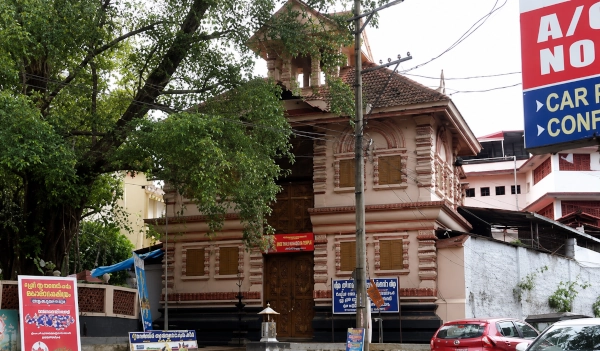
Angadipuram Tali Sree Mahadeva Temple: An Ancient Shiva Shrine of Valluvanad

The word Tali in Kerala’s historical setting commonly refers to an important Shiva temple associated with an established settlement or regional centre. Such temples often became focal points for worship, community gatherings, learning, land administration and cultural activity. The presence of a Tali temple therefore indicates the former importance of Angadipuram as a well-organised religious and social centre.

India Develops Indigenous Vaccine Against African Swine Fever

The vaccine, named the MA-104 Cell-Based Live Attenuated African Swine Fever Vaccine for Pigs, has been developed by the ICAR–National Institute of High Security Animal Diseases (NIHSAD), Bhopal. According to the minister, the development strengthens India’s preparedness against livestock diseases while advancing self-reliance in animal health through indigenous scientific innovation.

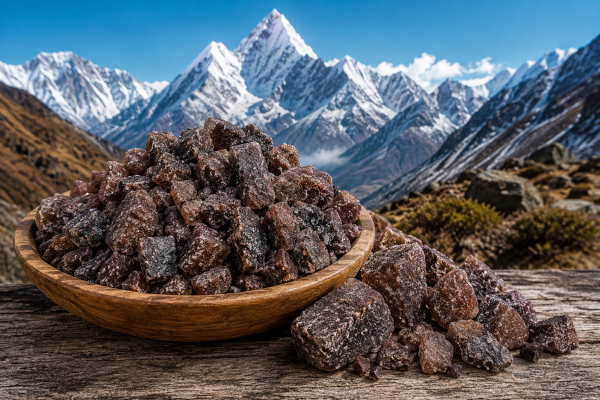
Sauvarchala Lavana: The Digestive Black Salt of Ayurveda

In Sanskrit, it is called Sauvarchala Lavana or Sauvarcala Lavana. In Hindi and common Indian usage, it is known as Kala Namak. In Malayalam and other regional traditions, it is recognised as a special digestive salt used in food, churnas, herbal drinks and household remedies. It is one among the important salts described in Ayurvedic tradition, along with Saindhava Lavana, Samudra Lavana, Vida Lavana and others.

Categories