DRDO Successfully Tests Indigenous Pralay Quasi-Ballistic Missile from Odisha
Indigenous Missile Successfully Engages Two Simulated Targets at a Distance of Around 500 Kilometres
Indigenous Missile Successfully Engages Two Simulated Targets at a Distance of Around 500 Kilometres
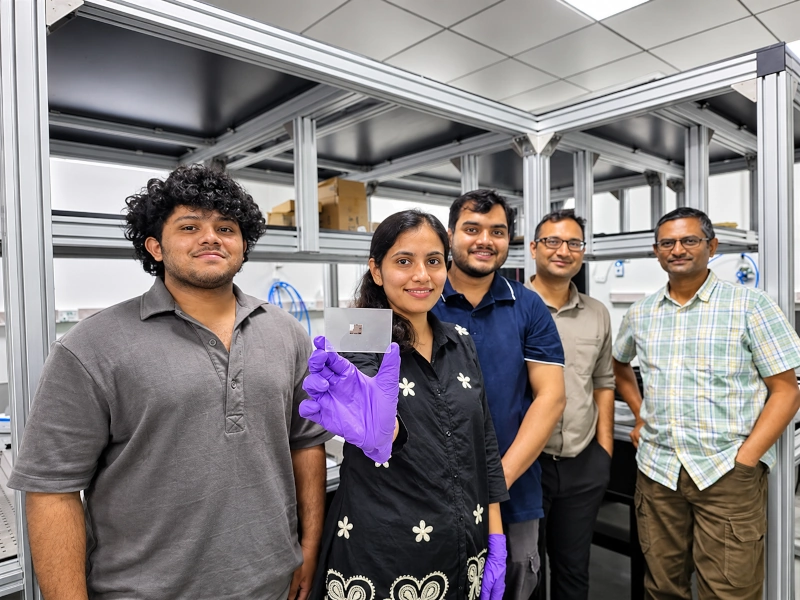
Researchers at the Jawaharlal Nehru Centre for Advanced Scientific Research (JNCASR), an autonomous institute of the Department of Science and Technology (DST), approached this challenge through topological photonics and demonstrated data transmission at up to 100 gigabits per second (Gbit/s) across an engineered barrier.
Defence exports have also expanded significantly, rising from less than ₹2,000 crore in 2014 to approximately ₹40,000 crore. The government is seeking to build on this growth by strengthening manufacturing capacity, improving product competitiveness and expanding the international market for Indian military equipment and technologies.
The findings were reported on November 3, highlighting the extraordinary diversity of butterflies inhabiting the forests and surrounding landscapes of Wakro. More than 120 students participated in the activities, demonstrating the growing involvement of educational institutions and local communities in biodiversity documentation and conservation initiatives.
The contract involves supplying specialised thermal processing equipment for an overseas industrial project. JNK India is engaged in the design, engineering and manufacturing of combustion and heating equipment used in petroleum refining, petrochemicals, fertiliser production and other process industries where controlled high-temperature operations are essential.
VedAZ is a zinc-aluminium master alloy developed to improve control over industrial galvanising processes, while VedAyush is a zinc-aluminium-magnesium alloy intended to enhance corrosion protection and coating performance.
Inbound Aerospace is working on a reusable re-entry vehicle designed to carry research payloads into orbit and return them safely to Earth after completing their intended missions.
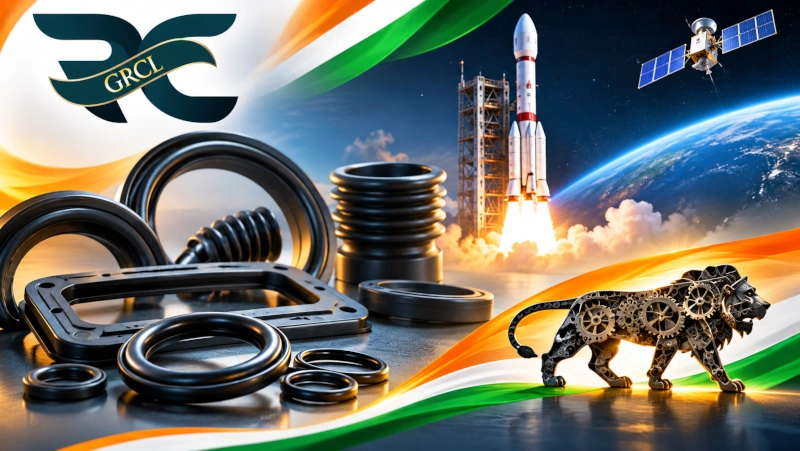
The pilot order, originally disclosed in August 2026, involves the supply of specialised ethylene propylene diene monomer (EPDM) rubber products. Although the company has not disclosed the contract value or specific aerospace applications, the development represents an opportunity for a relatively small Indian manufacturer to establish its capabilities within the country’s space technology supply chain.
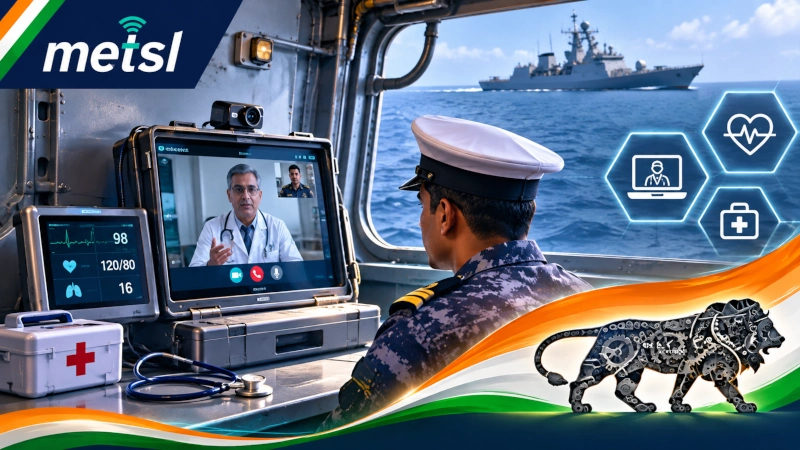
The procurement forms part of the integration of telemedicine capabilities into naval platforms, where access to specialised healthcare services can be constrained by geographical distance and operational requirements.
For students, the central value of this approach lies in creating predictable habits that reduce unnecessary disruption and allow sufficient time for education, recreation and recovery.