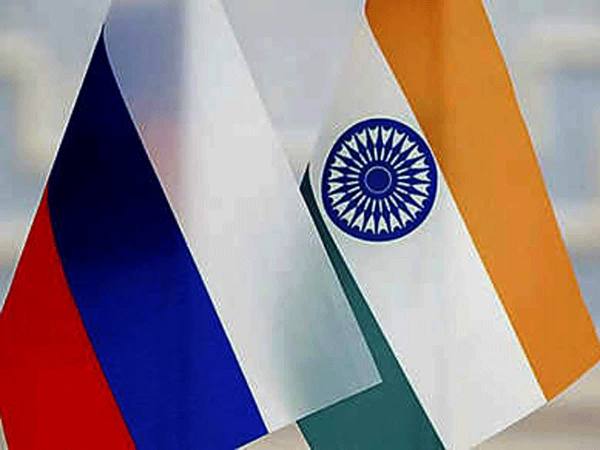
Prime Minister Narendra Modi is scheduled to meet Russian President Vladimir Putin on the sidelines of the Shanghai Cooperation Organisation Summit in Bishkek, as India and Russia prepare for another round of high-level engagement following recent economic and diplomatic discussions in Moscow.
The meeting was confirmed on 27 August 2026 by Ministry of External Affairs Secretary (West) Sibi George during a briefing ahead of the Prime Minister’s forthcoming visits to Uzbekistan and the Kyrgyz Republic. Modi will travel to Uzbekistan on 29–30 August before proceeding to Bishkek, where he will participate in the 26th SCO Summit from 31 August to 1 September.
The proposed Modi-Putin meeting is expected to review the broader India-Russia strategic partnership, including economic cooperation, energy, trade, connectivity and other areas of bilateral engagement. It comes soon after the latest meeting of the India-Russia Inter-Governmental Commission on Trade, Economic, Scientific, Technological and Cultural Cooperation, which brought senior officials from both countries together in Moscow.
The interaction in Bishkek will also follow External Affairs Minister S. Jaishankar’s recent visit to Russia, during which he met President Putin at the Kremlin and briefed him on the outcome of the inter-governmental commission discussions. Jaishankar also conveyed Prime Minister Modi’s greetings and indicated that the two leaders were expected to meet during the SCO Summit.
President Putin, during that interaction, expressed his expectation of meeting Modi soon and indicated that further high-level engagements between the two countries could take place during the year. The sequence of meetings reflects the continuing intensity of political consultations between New Delhi and Moscow despite significant changes in the international strategic environment.
India and Russia have in recent months placed increasing emphasis on expanding the economic dimension of their relationship. Discussions have covered trade, investment, energy cooperation, fertilisers, nuclear energy, connectivity and mechanisms for improving bilateral commerce. The two governments have also continued work through institutional mechanisms such as the IRIGC to identify new areas where economic cooperation can be widened beyond traditional defence and energy ties.
The Bishkek meeting is therefore likely to provide Modi and Putin with an opportunity to assess progress across these sectors and prepare for additional leadership-level interactions. Jaishankar had earlier indicated that Modi was looking forward not only to meeting Putin at the SCO gathering but also to receiving the Russian President in India during future multilateral and bilateral engagements.
India is expected to use the SCO Summit to engage several Eurasian partners at a time when developments across Central Asia, Afghanistan, regional connectivity and global economic stability continue to influence India’s strategic interests. The Prime Minister is expected to hold additional bilateral meetings with leaders attending the summit, although the final schedule will depend on availability and diplomatic coordination.
Before arriving in Kyrgyzstan, Modi will visit Uzbekistan at the invitation of President Shavkat Mirziyoyev, providing another opportunity to strengthen India’s growing engagement with Central Asia. Uzbekistan has become an increasingly important partner for India in connectivity, trade, pharmaceuticals, technology, education and regional security cooperation.
The Modi-Putin meeting in Bishkek will nevertheless be among the most closely watched bilateral engagements of the summit. With India and Russia simultaneously working to deepen economic cooperation and maintain their longstanding strategic relationship, the discussions are expected to provide direction for the next phase of bilateral engagement and prepare the ground for further meetings between the two leaders later in 2026.
You may also like
-
INS Trishul Arrives in UK for Exercise KONKAN 2026 as India and Royal Navy Expand Maritime Cooperation
-
INS Sahyadri Arrives in Russia for Exercise INDRA 2026 to Strengthen India-Russia Naval Cooperation
-
India and Qatar Deepen Strategic Partnership with Focus on Energy Security, Trade and West Asia
-
India and Singapore Deepen Economic Cooperation Amid Global Energy Challenges
-
Colombia Explores Indigenous BEL Counter-Drone Systems to Combat Drug Cartels and Strengthen India-Colombia Defence Cooperation
