India Tightens Airport Vigilance as Ebola Precautions Return to International Travel Corridors
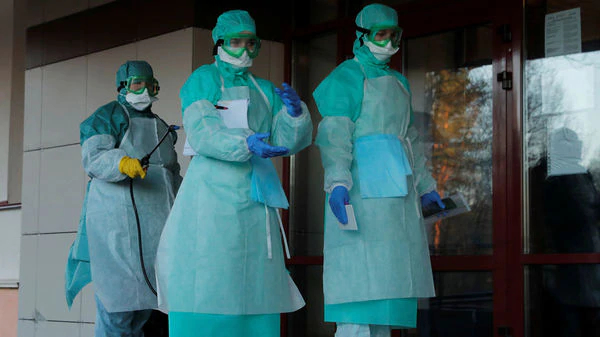
India has revived strict health-screening procedures for travellers arriving from or transiting through Ebola-affected regions,
India has revived strict health-screening procedures for travellers arriving from or transiting through Ebola-affected regions,
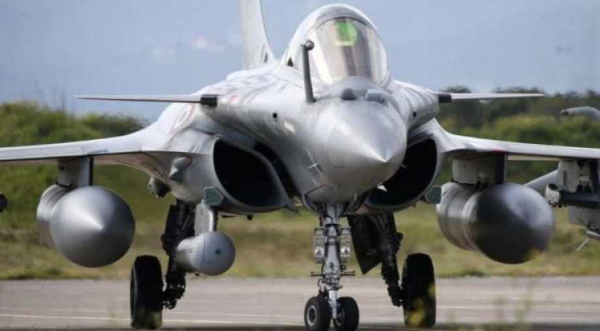
According to the reported plan, around 90 to 92 aircraft may be manufactured in India through a partnership involving Dassault Aviation and an Indian private-sector company, while the remaining aircraft would arrive in fly-away condition from France. The Indian Express reported that around 90 aircraft are expected to be made in India, while ThePrint earlier reported a 22 fly-away and 92 India-made split.
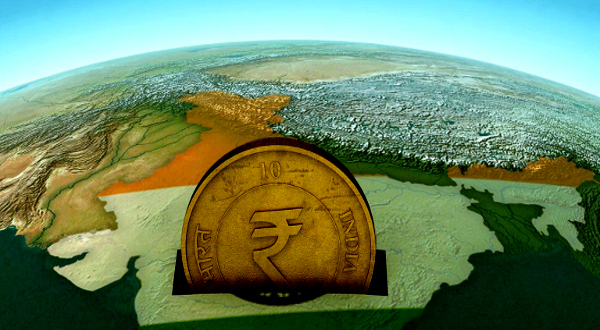
The latest rise shows that India is being viewed not merely as a consumption market, but as an operating base. Global companies are increasingly looking at India for talent, digital infrastructure, supply-chain diversification, engineering depth, domestic demand and long-term growth. In a world where companies are reassessing overdependence on single geographies, India’s combination of scale, skilled manpower and policy stability is becoming attractive.
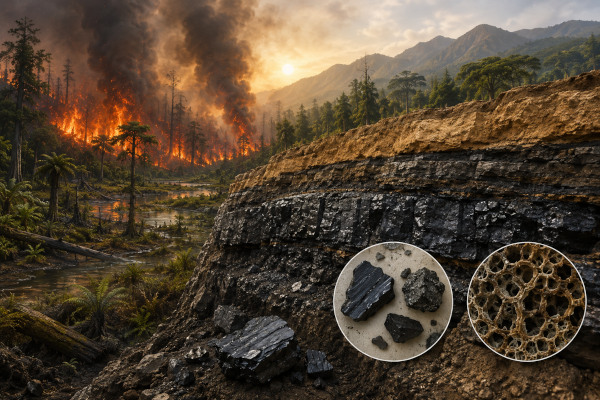
The study was conducted by researchers from the Birbal Sahni Institute of Palaeosciences, an autonomous institute under the Department of Science and Technology. The team used a multi-proxy approach that combined palynofacies analysis with advanced molecular techniques such as Raman spectroscopy and Fourier Transform Infrared spectroscopy. In simple terms, the scientists studied tiny fragments of organic matter preserved inside sedimentary rocks and then used molecular tools to identify whether those particles were linked to ancient fire events.
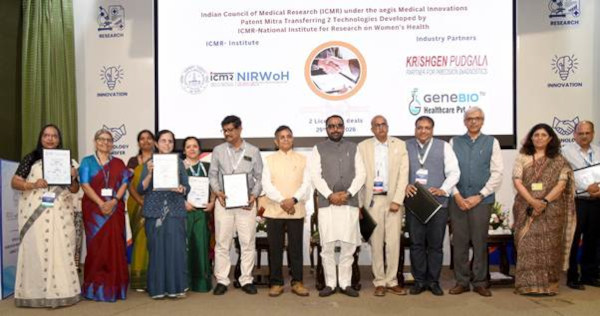
A major highlight was the transfer of 41 public health technologies from ICMR institutes and innovators to industry partners for further development, manufacturing and commercialisation. These technologies cover key areas such as diagnostics, vaccines, medical devices and biomedical solutions linked to major public health needs. This makes the initiative more than a conference; it becomes a practical bridge between publicly funded research and industrial production.
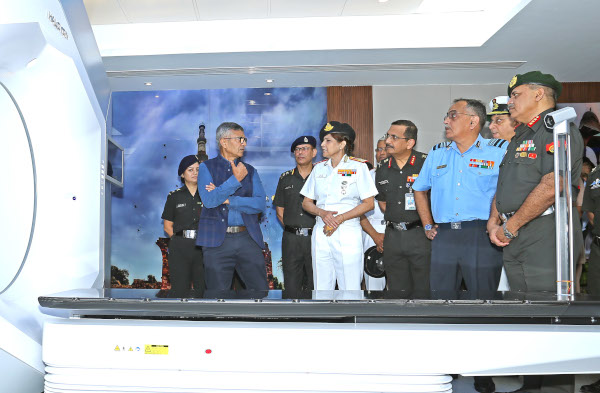
The new equipment is designed to improve access to modern cancer treatment for serving personnel, veterans and their dependents. Army Hospital R&R handles a significant patient load, and the induction of this technology is expected to expand in-house treatment capacity, reduce dependence on external facilities, and provide more advanced care within the military medical system itself.
The latest figures indicate that the summer cropping season has remained broadly positive, especially in pulses, Shree Anna and coarse cereals, and oilseeds. These three categories have helped offset the decline seen in rice acreage. The trend is important because summer crops play a supporting role in India’s food security system, improving the availability of pulses, edible oils, coarse grains and fodder-linked crops between the major rabi and kharif seasons.
The idea behind a biomimetic AUV is simple and powerful: the ocean already contains highly efficient underwater designs. Fish, tuna, rays, dolphins and whales move through water with efficiency, agility and reduced disturbance. Biomimetics translates such natural engineering into mechanical systems. IIT Madras describes biomimetic AUVs as platforms that mimic aquatic creatures for high propulsive efficiency, silent operation, fewer wake signatures and strong manoeuvrability.
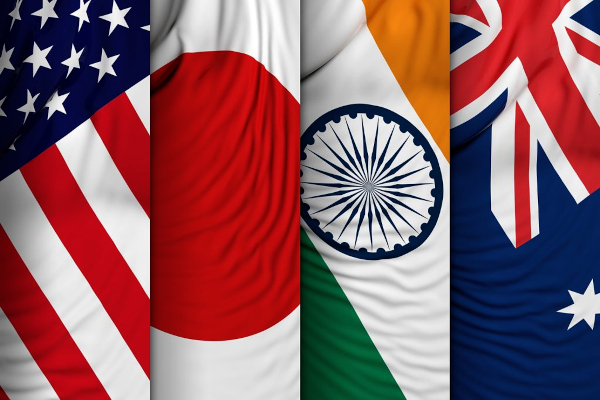
The timing gives the meeting added diplomatic weight. India is hosting the Quad Foreign Ministers’ Meeting on 26 May 2026, with Jaishankar chairing discussions involving Australia’s Penny Wong, Japan’s Toshimitsu Motegi and US Secretary of State Marco Rubio. The agenda is expected to focus on advancing a free and open Indo-Pacific, reviewing Quad cooperation and discussing regional and global developments.
The meeting, held at Kartavya Bhawan, reflected the growing momentum in India-Spain scientific engagement. The discussions went beyond routine bilateral exchange and covered a wide range of future-facing sectors, including circular economy, digital transformation, artificial intelligence, advanced materials, digital health, medical devices, biotechnology, space sciences and industrial innovation.