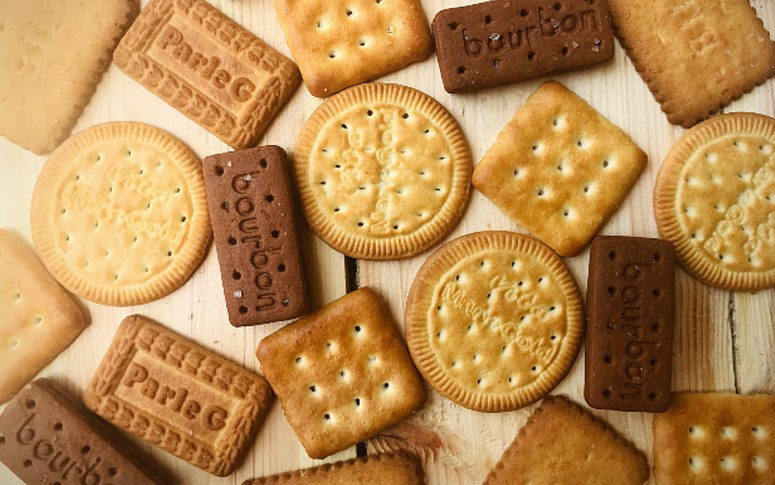
India’s sweet biscuit exports are moving into a new phase, with African markets emerging as one of the strongest growth frontiers for the country’s processed food industry. The development marks a quiet but important shift in India’s export basket: from raw agricultural commodities towards value-added food products that carry brand identity, packaging strength, consumer appeal and higher margins.
In FY26, India exported 344.2 thousand tonnes of sweet biscuits, showing the rising acceptance of Indian processed food products across global markets. This is more than a food export statistic. It reflects the ability of Indian manufacturers to serve mass consumer markets with affordable, shelf-stable and familiar products that travel well across geographies.
Sweet biscuits occupy a special place in international food trade because they combine convenience, affordability and long shelf life. They are easy to transport, simple to stock, suitable for modern retail as well as small shops, and adaptable to different consumer segments. For emerging markets, especially in Africa, these qualities make biscuits an attractive everyday product. They fit school snacks, tea-time consumption, workplace breaks, small retail sales and household purchases.
Africa’s importance in this story comes from its rapidly expanding consumer base. Urbanisation, rising young populations, changing retail habits and growing demand for packaged foods are creating fresh opportunities for Indian food companies. Indian sweet biscuits are gaining ground because they meet the price-value equation required in many African markets: accessible pricing, dependable taste, strong packaging and consistent supply.
Kenya has become especially important, emerging as India’s second-largest export destination for sweet biscuits. Other African markets such as Benin, Cameroon, Tanzania, Uganda, Senegal and Mozambique are also part of the expanding footprint reported in recent trade coverage. This shows that the growth is wider than one market. It is becoming a regional export pattern.
The opportunity is also strategic because Africa is not a single uniform market. East Africa, West Africa and Southern Africa have different retail systems, port access points, consumer preferences and trade channels. Indian exporters who understand this diversity can build deeper distribution networks. Kenya can work as a gateway into East Africa, while countries such as Benin and Senegal can support West African access. Mozambique and Tanzania add relevance along the Indian Ocean trade corridor.
The rise of Indian biscuits in Africa also fits India’s broader processed food export strategy. India has long been known for exports such as rice, spices, tea, marine products and other agricultural commodities. But value-added food products carry a different advantage. They allow Indian companies to export manufacturing skill, food technology, packaging design, brand recall and consumer trust. A packet of biscuits is not only wheat, sugar and flavouring; it is a finished retail product with shelf presence.
This matters for India’s food processing sector. When processed food exports grow, they create demand across several domestic supply chains: wheat flour, sugar, edible oils, packaging materials, printing, logistics, warehousing, quality testing and port handling. The benefit spreads from factories to farmers, transporters, packaging units and export service providers. A strong biscuit export sector can therefore support both manufacturing and agriculture-linked employment.
The African demand also highlights the strength of Indian cost competitiveness. Indian manufacturers have decades of experience producing biscuits for a highly price-sensitive domestic market. That experience is valuable abroad. Companies that can serve Indian consumers at scale can also serve similar mass markets overseas, especially where affordability and availability matter as much as premium branding.
Another advantage is product familiarity. Biscuits are already part of many African food habits due to tea culture, school consumption, urban snacking and small-shop retailing. Indian exporters do not need to create the category from zero. They need to compete within an existing category by offering reliable products at attractive price points. This makes market expansion faster than in unfamiliar or niche food segments.
Packaging will play a crucial role in the next phase. African markets often require products that can withstand long-distance shipping, heat, humidity and multi-layer retail movement from ports to inland towns. Strong packaging, moisture control, clear labelling and pack-size flexibility can decide whether a product succeeds. Small packs can drive rural and low-income retail penetration, while larger family packs can serve urban supermarkets and wholesale chains.
The growth also points to the importance of logistics. India’s western ports, Indian Ocean shipping routes and commercial links with East African ports create natural export advantages. Faster turnaround, stable freight costs and stronger distributor partnerships can make Indian biscuits more competitive against suppliers from other regions. As India builds deeper trade relationships with Africa, food exports can become a visible everyday symbol of that relationship.
There is also a branding opportunity. Indian food products already carry strong recognition in many overseas Indian communities, but the sweet biscuit opportunity goes beyond diaspora demand. The real growth lies in mainstream African consumers choosing Indian products because they are affordable, tasty and dependable. That is how a food export becomes a mass-market success.
For Indian manufacturers, this is a moment to move from transactional exports to market-building. Instead of simply shipping goods through intermediaries, companies can invest in local distributor relationships, market research, customised flavours, packaging suited to African climates and advertising that speaks to local consumers. Stronger after-sales distributor support and consistent supply will matter as much as the product itself.
Quality standards will be equally important. As processed food exports expand, Indian manufacturers must maintain strong compliance with importing-country rules on labelling, ingredients, shelf life, food safety and packaging. Reliable certification and traceability can help Indian brands win long-term trust in both African and developed markets.
The numbers show that sweet biscuits are no longer a minor export footnote. They are becoming part of India’s larger value-added trade story. Recent coverage also reported that Indian sweet biscuit exports reached US$412.6 million in FY26, compared with US$180.6 million in FY21, showing a strong rise in export value over five years.
That growth is important because it demonstrates a larger transformation in India’s export profile. The country is gradually building strength in products that are ready for consumers, not merely raw material supply chains. Biscuits, confectionery, ready-to-eat foods, spices, snacks and packaged staples can help India build a stronger global food identity.
Africa’s rise as a key market also carries diplomatic and economic significance. India and Africa have long-standing historical, commercial and people-to-people links. Food trade adds a practical consumer layer to this relationship. When Indian products enter African households, schools, shops and supermarkets, trade ties become part of daily life.
The next opportunity lies in scaling this success across more product categories. If Indian sweet biscuits can grow across African markets, similar potential may exist for Indian snacks, traditional sweets, ready mixes, breakfast products, millet-based foods, tea accompaniments and affordable nutrition products. The biscuit story can become a template for wider processed food exports.
India’s sweet biscuit export momentum therefore represents more than rising demand for a snack. It shows how Indian food manufacturing is entering high-growth consumer markets with products that are affordable, adaptable and globally acceptable. Africa is emerging as a major pillar of this growth, and Kenya’s rise as a leading destination signals the depth of the opportunity.
For India, the lesson is clear: value-added food exports can become a major growth engine when manufacturing scale, agricultural strength, packaging capability, logistics and market intelligence come together. Sweet biscuits may look simple on the shelf, but they now carry a larger message about India’s expanding place in global consumer food trade.
Sources:
IBEF — Africa emerging as key market for Indian sweet biscuit exports — https://www.ibef.org/news/africa-emerging-as-key-market-for-indian-sweet-biscuit-exports
Economic Times Retail — Africa emerging as key market for Indian sweet biscuit exports: Commerce Ministry — https://retail.economictimes.indiatimes.com/news/food-entertainment/personal-care-pet-supplies-liquor/africa-emerging-as-key-market-for-indian-sweet-biscuit-exports-commerce-ministry/131344010
BW Retail World — Africa Emerges As Top Destination For India’s Sweet Biscuit Exports: Centre — https://bwretailworld.com/export/africa-emerges-as-top-destination-for-indias-sweet-biscuit-exports-centre
NDTV Food — A Record High, India Exported 344 Thousand Tonnes Of Sweet Biscuits In FY 2025-26 — https://food.ndtv.com/news/a-record-high-india-exported-344-thousand-tonnes-of-sweet-biscuits-in-fy-2025-26-see-top-markets
You may also like
-
Manastu Space Secures ₹116 Crore Government Support to Develop Indigenous Green Propulsion Systems
-
GeM’s AABHAR Collection Showcases 294 Indigenous Products, Strengthens Market Access for Indian Artisans
-
Balaghat Chinnor Rice of Madhya Pradesh: The Fragrant Heritage Grain with GI Recognition
-
Indian Semiconductor Companies Propose New Manufacturing and Chip Design Investments in Madhya Pradesh
-
CSIR-CRRI Partners with Industry to Develop Advanced Indigenous Airport Runway and Pavement Materials
