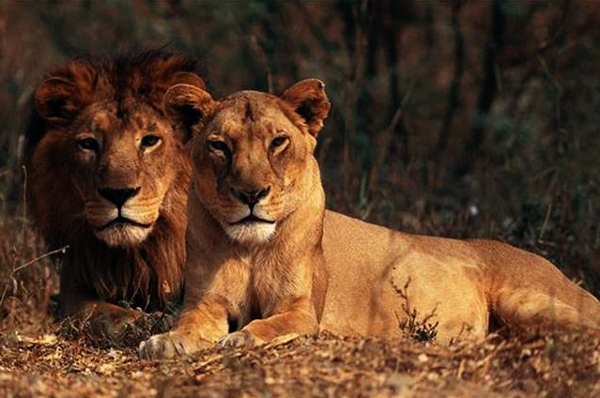
India has taken another significant step towards strengthening international wildlife conservation with the inauguration of the new headquarters of the International Big Cat Alliance (IBCA) at 55 Lodhi Estate in New Delhi on October 12, 2026. Union Minister for Environment, Forest and Climate Change Bhupender Yadav inaugurated the premises, marking an important development in India’s efforts to establish a permanent global institution dedicated to the conservation of the world’s big cat species and their natural habitats.
The International Big Cat Alliance is a treaty-based intergovernmental organisation headquartered in India. It promotes international cooperation for the conservation of seven major wild cat species: tiger, lion, leopard, snow leopard, cheetah, jaguar and puma. These animals inhabit some of the world’s most ecologically important landscapes, including tropical forests, grasslands, mountain ecosystems, wetlands and savannas. Their long-term survival depends on effective habitat protection, scientific monitoring, adequate prey populations and cooperation among countries sharing wildlife habitats.
According to the Ministry of Environment, Forest and Climate Change, 29 countries, including India, have joined the alliance as members, while five countries have opted for observer status and another 11 have expressed their consent to become members. The Government of India has committed an initial contribution of ₹150 crore over five years, from 2023–24 to 2027–28, to support the establishment and activities of the organisation.
The opening of the new headquarters strengthens India’s position as a centre for international biodiversity cooperation. Through scientific exchanges, veterinary training, conservation capacity building and institutional partnerships, the alliance seeks to address challenges such as habitat fragmentation, illegal wildlife trade, human-wildlife conflict and declining populations of vulnerable big cat species.
International Big Cat Alliance Establishes Permanent Headquarters in New Delhi
The inauguration of the International Big Cat Alliance headquarters provides the organisation with a permanent institutional base for coordinating conservation programmes and maintaining cooperation with member countries. Located at 55 Lodhi Estate in New Delhi, the new premises will support the alliance’s administrative activities, international engagements and efforts to develop long-term partnerships with wildlife conservation institutions.
The inauguration ceremony was attended by senior officials from the Ministry of Environment, Forest and Climate Change and representatives of national and international organisations. Dr. S. P. Yadav, Director General of the International Big Cat Alliance, welcomed Union Environment Minister Bhupender Yadav and presented an overview of the organisation’s achievements and ongoing activities. Santosh Tewari, Director General of Forests and Special Secretary in the Ministry, also participated in the programme.
Representatives of several international institutions attended the event, including organisations associated with the United Nations system, international development financing and wildlife conservation. Their participation reflected the wider importance of protecting biodiversity through cooperation involving governments, scientific institutions, conservation organisations and development agencies.
The establishment of permanent headquarters also strengthens the alliance’s ability to coordinate projects across countries with different ecological conditions and conservation requirements. While individual governments retain responsibility for wildlife protection within their territories, the alliance provides a common framework for sharing scientific knowledge, developing professional capabilities and encouraging coordinated international action.
International Big Cat Alliance Membership Expands to 29 Countries
The International Big Cat Alliance has attracted growing international participation since its establishment, reflecting increasing recognition of the need for coordinated conservation of large wild cat species. As of October 12, 2026, the organisation had 29 member countries, including India, along with five countries participating as observers. Another 11 countries had expressed their consent to join, indicating the potential for further expansion of the alliance’s international network.
The participating countries represent different geographical regions and wildlife habitats, creating opportunities to exchange conservation experience across Asia, Africa and the Americas. Some countries are home to tigers, lions or snow leopards, while others support important populations of jaguars, pumas and cheetahs. Each region faces distinct conservation challenges arising from land-use changes, human population pressures, illegal hunting, wildlife disease and the loss of ecological connectivity.
International membership allows conservation authorities to learn from approaches developed under different environmental and administrative conditions. Countries with experience in population monitoring, protected-area management, wildlife veterinary care or community-based conservation can share relevant expertise with other participating nations. Such exchanges are particularly useful for developing institutions that may lack specialised equipment, technical personnel or experience in managing threatened carnivore populations.
The alliance also creates opportunities for countries without native populations of particular big cats to contribute through scientific research, financial support and conservation partnerships. By developing a broader international network, the organisation aims to strengthen collective responsibility for protecting these ecologically important predators.
Seven Big Cat Species Form the Foundation of Global Conservation Efforts
The International Big Cat Alliance focuses on seven species distributed across diverse ecosystems. Although these animals differ in their geographical ranges, behaviour and ecological requirements, they face several common threats, including habitat degradation, fragmentation, declining prey availability and conflict with human communities.
Tigers: Protecting Asia’s Largest Wild Cat
The tiger (Panthera tigris) is one of the world’s most recognisable endangered carnivores and an important indicator of healthy forest ecosystems. Tigers occupy habitats ranging from tropical forests and mangrove ecosystems to grasslands and temperate forest landscapes. As large predators, they influence prey populations and contribute to ecological relationships within the habitats they occupy.
India supports the world’s largest wild tiger population and has developed extensive conservation experience through Project Tiger, protected-area management, scientific population estimation and habitat protection. The All India Tiger Estimation 2022 reported an estimated population of 3,682 tigers, with a minimum photographic count of 3,167. These figures demonstrate the results of long-term conservation efforts while also highlighting the continuing importance of protecting habitats beyond established tiger reserves.
The International Big Cat Alliance provides opportunities for India to share relevant experience with other tiger-range countries, particularly in scientific monitoring, anti-poaching measures, habitat connectivity and community engagement. Cooperation is important because tiger landscapes in several parts of Asia extend across international boundaries, requiring coordinated conservation approaches.
Lions: Conserving Africa’s Predators and India’s Asiatic Lions
The lion (Panthera leo) occupies an important ecological position in African grasslands and savannas, while a geographically restricted population of Asiatic lions survives in India’s Gujarat region. These large predators require suitable habitats, adequate prey and effective protection from illegal killing and other threats.
India’s Asiatic lion conservation programme represents an important example of population recovery through sustained legal protection, habitat management and wildlife monitoring. Gujarat’s 2025 lion population estimation recorded 891 Asiatic lions, reflecting the expansion of the population across the wider Saurashtra landscape. The increase has also created new management requirements as lions move through areas containing settlements, agricultural land and transport infrastructure.
The concentration of Asiatic lions within one broad geographical region creates challenges involving disease vulnerability, environmental disturbances and human-wildlife interactions. International exchanges involving African lion-range countries can help conservation institutions examine different approaches to wildlife health, landscape management and conflict reduction. The alliance provides an institutional platform for sharing such experience while recognising the distinct ecological requirements of lion populations in India and Africa.
Leopards: Managing Wildlife in Human-Dominated Landscapes
The leopard (Panthera pardus) is among the most adaptable large carnivores, occupying forests, mountains, grasslands and landscapes modified by human activities. Its ability to survive in different environments has allowed the species to maintain a wide geographical distribution, although several populations face threats from habitat fragmentation, illegal killing and conflict with people.
India’s 2022 leopard population assessment estimated 13,874 leopards within the surveyed tiger-range landscapes. This estimate did not cover every potential leopard habitat in the country, but it provided important information about the species’ distribution and conservation status across major forest regions.
Leopard conservation presents distinctive challenges because the animals frequently move beyond protected areas and may encounter livestock, agricultural settlements and residential communities. Managing these interactions requires scientifically informed approaches involving habitat protection, public awareness, livestock management and appropriate responses to conflict situations. The alliance can support international cooperation on leopard ecology and the development of conservation practices suited to landscapes where wildlife and human activities overlap.
Snow Leopards: Protecting the High-Altitude Ecosystems of Asia
The snow leopard (Panthera uncia) inhabits some of the world’s most demanding mountain environments, including the Himalayas and other high-altitude landscapes across Central and South Asia. These elusive predators depend on extensive mountainous habitats and suitable wild prey populations, making their conservation closely connected with the health of fragile alpine ecosystems.
India’s first comprehensive Snow Leopard Population Assessment, released in 2024, estimated 718 snow leopards across the country’s surveyed high-altitude landscapes. The assessment represented an important development in scientific monitoring because the species inhabits remote terrain where conventional wildlife surveys are particularly challenging.
Snow leopard conservation requires cooperation among countries sharing mountain ecosystems, particularly where wildlife populations move across international borders. Livestock depredation, declining prey availability, habitat degradation and climate-related environmental changes remain important concerns. Through the International Big Cat Alliance, India can contribute its experience in high-altitude conservation while learning from programmes developed in other snow leopard-range countries.
Cheetahs: Strengthening Grassland Conservation and Species Recovery
The cheetah (Acinonyx jubatus) is adapted to hunting across open landscapes and is widely recognised as the fastest land mammal. Its populations depend on suitable grassland and savanna habitats, sufficient prey and the ability to move across large areas without excessive disturbance.
Wild cheetahs face threats arising from habitat fragmentation, declining prey populations, conflict with livestock owners and illegal wildlife trade. Their conservation requires coordinated approaches that address both the ecological requirements of the species and the needs of communities living near cheetah habitats.
India’s Project Cheetah seeks to re-establish the species in the country following its extinction from the Indian wild during the twentieth century. The initiative has involved the translocation of African cheetahs to Kuno National Park and subsequent efforts involving veterinary monitoring, habitat management and population establishment. India’s participation in the International Big Cat Alliance creates opportunities to exchange experience with African range countries concerning cheetah ecology, translocation practices and long-term conservation management.
Jaguars: Conserving the Forest Ecosystems of the Americas
The jaguar (Panthera onca) is the largest native cat species in the Americas and occupies habitats extending from Mexico through Central America into South America. Jaguars are associated with tropical forests, wetlands and other natural environments, where they function as powerful predators within complex ecological systems.
Jaguars face conservation challenges involving deforestation, habitat fragmentation, declining prey availability and conflict with livestock owners. Their protection requires extensive habitat conservation because individual animals may occupy large territories and depend on ecological connections between different forest landscapes.
The inclusion of jaguars within the International Big Cat Alliance extends the organisation’s geographical scope beyond Asia and Africa. It provides opportunities for cooperation with countries in the Americas that have developed experience in rainforest conservation, wildlife corridor protection and community-based approaches to reducing conflict between carnivores and people.
Pumas: Protecting a Widely Distributed American Predator
The puma (Puma concolor), also known as the cougar or mountain lion, has one of the widest geographical distributions among large terrestrial predators in the Americas. It inhabits forests, grasslands, deserts and mountainous environments, demonstrating considerable ecological adaptability.
Although pumas can survive in different habitats, their populations face threats from habitat fragmentation, expanding settlements, roads and conflict with people. Maintaining safe movement routes between habitat areas is particularly important because isolated populations may experience reduced genetic exchange and greater vulnerability to environmental disturbances.
Puma conservation offers opportunities to examine approaches involving wildlife crossings, ecological corridors, population monitoring and coexistence in human-dominated landscapes. By including the species in its seven-cat conservation framework, the alliance encourages cooperation across a broad range of ecosystems and geographical regions, strengthening its contribution to global carnivore conservation.
India Commits ₹150 Crore to Support International Conservation Programmes
The Government of India has committed an initial contribution of ₹150 crore over five years, from 2023–24 to 2027–28, to support the establishment and activities of the International Big Cat Alliance. The funding reflects India’s intention to provide an institutional and financial foundation for international cooperation focused on threatened large carnivores.
Conservation programmes require sustained resources for scientific research, professional training, technical cooperation and institutional development. Countries with limited conservation infrastructure may need assistance in strengthening wildlife monitoring systems, veterinary capabilities and protected-area management practices. International partnerships can help address these requirements by connecting conservation institutions with specialised expertise and technical resources.
India’s financial commitment provides support for the alliance’s initial operations and international engagement. The Ministry’s October 12 announcement does not provide a detailed expenditure breakdown for individual programmes or species, and the pledged amount should therefore be understood as an overall initial commitment rather than funding already allocated to specific conservation projects.
The alliance can also encourage cooperation with international organisations, conservation institutions and other participating countries to support its long-term objectives. Developing a sustainable financial and institutional framework will be important for translating international conservation commitments into practical activities.
International Veterinary Training Strengthens Wildlife Health Management
One of the alliance’s notable achievements has been the organisation of the PRIME cat health programme, which brought together veterinary professionals from 20 countries. The initiative reflects the importance of specialised animal healthcare in conservation programmes involving large carnivores, particularly species with vulnerable or geographically restricted populations.
Wildlife diseases can create serious challenges for conservation authorities because infections may spread through interactions involving wild animals, domestic livestock or other sources of exposure. Certain diseases can have significant consequences for small populations, making surveillance, diagnostic capabilities and appropriate veterinary responses essential components of conservation management.
International veterinary training allows specialists to exchange professional knowledge concerning wildlife health assessment, disease monitoring and the management of medical challenges affecting large carnivores. Such cooperation can strengthen institutional preparedness and help participating countries develop appropriate responses to wildlife health emergencies.
The PRIME programme demonstrates the alliance’s emphasis on practical conservation capabilities alongside international policy coordination. By supporting professional exchanges among veterinary specialists, the organisation contributes to the development of expertise that can benefit threatened wildlife populations across different continents.
India Expands International Conservation Training Through ITEC
The International Big Cat Alliance has organised two international capacity-building programmes under the Indian Technical and Economic Cooperation programme, with support from the Ministry of External Affairs. These initiatives connect wildlife conservation with India’s established international training and development cooperation framework.
Wildlife conservation requires personnel with specialised knowledge of population monitoring, habitat assessment, veterinary management, protected-area administration and interactions between wildlife and local communities. Countries may possess different levels of technical infrastructure and institutional experience, making professional exchanges valuable for strengthening conservation capabilities.
India’s experience in tiger conservation, scientific population estimation and protected-area management provides a foundation for sharing knowledge with other participating nations. International training programmes allow conservation professionals to examine approaches developed in India while contributing their own experience from different ecological and administrative environments.
Such exchanges can support the development of professional networks and stronger cooperation between wildlife institutions. The alliance’s capacity-building activities therefore represent an important mechanism for converting its international membership into practical conservation partnerships.
International Big Cat Alliance Strengthens Engagement with Global Environmental Institutions
The alliance has expanded its participation in international environmental forums, including meetings associated with the Convention on International Trade in Endangered Species of Wild Fauna and Flora and the United Nations Framework Convention on Climate Change. These engagements connect big cat conservation with wider discussions concerning biodiversity protection, international wildlife trade and environmental sustainability.
CITES plays an important role in regulating international commercial trade involving listed wildlife species and their products. Its implementation is relevant to big cat conservation because illegal trade in wildlife parts remains a serious threat to several carnivore populations. Effective protection requires cooperation among range countries, enforcement agencies and international institutions.
Environmental change also influences wildlife habitats through changes in vegetation, water availability, prey distribution and ecosystem conditions. Although the effects vary between species and regions, conservation planning increasingly requires attention to long-term environmental pressures and their implications for natural habitats.
Participation in global environmental forums provides the alliance with opportunities to exchange information, develop institutional relationships and contribute to discussions affecting threatened large carnivores. Such engagement strengthens the organisation’s role within the wider international conservation community.
Wildlife Awareness Programmes Encourage Global Public Participation
The International Big Cat Alliance has complemented its scientific and institutional work through public outreach activities, including international webinars and wildlife photography competitions. These initiatives seek to improve public understanding of big cats, their ecological importance and the threats affecting their survival.
Public awareness is an important component of wildlife conservation because long-term protection depends partly on the attitudes and actions of communities living near natural habitats. Information about animal behaviour, ecological requirements and conservation challenges can encourage more informed discussions about wildlife protection and coexistence.
Photography provides a particularly accessible medium for communicating the diversity of big cat species and their habitats. Images of animals in forests, grasslands, mountain ecosystems and wetlands can help audiences appreciate the ecological conditions required for their survival.
International webinars also allow researchers, conservation professionals and interested members of the public to exchange information across geographical boundaries. By combining scientific cooperation with public engagement, the alliance seeks to develop wider support for conservation objectives.
Habitat Fragmentation Threatens Big Cat Populations Across Continents
Habitat fragmentation remains one of the major challenges affecting the conservation of large carnivores worldwide. Many big cat species require extensive territories containing suitable prey, water sources, shelter and opportunities for movement between different habitat areas. Expanding roads, settlements, agricultural activities and industrial infrastructure can divide these landscapes into smaller and increasingly isolated patches.
When habitat connectivity declines, animals may face difficulties dispersing into new territories or moving between populations. Such isolation can reduce opportunities for genetic exchange and increase the vulnerability of certain populations to environmental disturbances. Fragmentation may also force large carnivores to travel through areas containing human settlements, increasing the possibility of conflict.
Conservation authorities in different countries have developed approaches involving ecological corridors, wildlife crossings, protected-area networks and landscape-level planning. These measures seek to maintain connections between habitats while addressing the requirements of nearby communities.
The International Big Cat Alliance provides a platform for sharing knowledge about these approaches. Experience gained from tiger corridors in India, jaguar conservation landscapes in the Americas and large carnivore habitats in Africa can contribute to a broader understanding of how ecological connectivity supports wildlife populations.
Human-Wildlife Conflict Requires Cooperation with Local Communities
Human-wildlife conflict affects several big cat species because their habitats frequently overlap with areas used for agriculture, livestock grazing and human settlement. Encounters involving large carnivores can result in livestock losses, threats to human safety and retaliatory actions against wildlife, creating difficult conservation challenges.
Effective management requires an understanding of both animal behaviour and the circumstances faced by local communities. Conservation measures must consider livestock protection, habitat conditions, public awareness and the availability of appropriate responses when wildlife enters populated areas.
Different countries have developed methods suited to their ecological and social conditions. These include improved livestock enclosures, early-warning arrangements, community participation and systems for addressing losses caused by wildlife.
India’s experience with tigers, leopards, lions and snow leopards provides examples of conservation challenges occurring across forests, grasslands, mountain regions and human-dominated landscapes. The alliance allows participating nations to exchange such experience while recognising that successful solutions must be adapted to local circumstances.
Community participation remains especially important because conservation programmes are more likely to endure when people living near wildlife habitats understand their objectives and receive appropriate institutional support.
Big Cat Protection Supports Wider Biodiversity Conservation
Large carnivores occupy important positions within ecological food webs, and their conservation can contribute to the protection of wider natural ecosystems. As predators, big cats influence relationships among prey species and other animals, although their ecological roles differ according to habitat and species.
Protecting big cats frequently requires conserving substantial landscapes that also support numerous other forms of wildlife. Tiger habitats in India contain diverse mammals, birds, reptiles and plant species, while jaguar landscapes in the Americas include extensive tropical forests and wetlands. Snow leopard conservation contributes to protecting high-altitude ecosystems that support specialised mountain wildlife.
The protection of these habitats can also benefit broader environmental objectives, including watershed conservation, soil stability and the maintenance of ecological processes. However, effective ecosystem conservation requires comprehensive habitat management rather than concentrating exclusively on a single prominent species.
The alliance’s seven-species approach creates opportunities to connect carnivore conservation with wider biodiversity protection. By encouraging scientific cooperation across different ecosystems, the organisation can help strengthen understanding of the ecological conditions required to maintain healthy wildlife populations.
India’s Conservation Experience Provides a Foundation for International Leadership
India’s role in establishing the International Big Cat Alliance reflects its long history of wildlife conservation programmes involving large carnivores. Project Tiger, launched in 1973, created an institutional framework for tiger protection through dedicated reserves, scientific monitoring and habitat management. Subsequent programmes have addressed the conservation requirements of Asiatic lions, snow leopards, leopards and cheetahs.
These initiatives have generated experience across different ecological environments, from tropical forests and mangroves to dry grasslands and high-altitude mountain landscapes. They have also highlighted the importance of scientific population assessment, wildlife health management, anti-poaching measures and cooperation with local communities.
India’s conservation achievements provide opportunities to share technical knowledge internationally, but the alliance also allows Indian institutions to learn from approaches developed elsewhere. African countries possess extensive experience managing lions and cheetahs, while countries in the Americas have developed conservation programmes involving jaguars and pumas.
Such exchanges recognise that wildlife conservation challenges cannot be addressed through a single universal model. Different species and landscapes require approaches suited to their ecological characteristics, institutional capacities and relationships with human communities.
By encouraging collaboration among countries with different conservation experiences, the alliance can help develop a broader international knowledge base for protecting large carnivores.
International Big Cat Alliance Strengthens India’s Environmental Diplomacy
The establishment of the International Big Cat Alliance headquarters in New Delhi represents an important development in India’s environmental diplomacy. The organisation provides a treaty-based institutional framework through which countries can cooperate on conservation challenges that extend beyond national boundaries.
International wildlife protection increasingly requires coordination among governments, scientific institutions, conservation organisations and communities. Threats involving illegal trade, habitat fragmentation and environmental change cannot always be addressed effectively by individual countries acting independently.
The alliance creates opportunities for governments to exchange experience, strengthen conservation capabilities and develop common approaches to protecting vulnerable species. Its growing membership also demonstrates international interest in cooperation focused specifically on large carnivores.
India’s decision to host the headquarters adds to its participation in international initiatives addressing environmental and developmental challenges. The inauguration ceremony’s engagement with representatives from other international institutions reflected the importance of connecting wildlife conservation with broader cooperation involving biodiversity, climate resilience and sustainable development.
Through the alliance, India is helping establish an international platform that combines conservation science with diplomatic engagement and practical capacity building.
International Big Cat Alliance Begins a New Phase of Global Conservation Cooperation
The inauguration of the International Big Cat Alliance’s new headquarters at 55 Lodhi Estate marks a significant milestone in India’s efforts to strengthen international wildlife protection. With 29 confirmed member countries, five observers and 11 additional countries expressing consent to join, the alliance has established a growing institutional foundation for cooperation across different continents.
India’s initial financial commitment of ₹150 crore provides support for the organisation’s development, while its veterinary training, international capacity-building programmes and participation in global environmental forums demonstrate the range of activities already undertaken. These initiatives contribute to strengthening professional expertise, institutional relationships and the exchange of conservation knowledge.
The alliance’s focus on seven big cat species brings together conservation challenges affecting forests, grasslands, wetlands, savannas and mountain ecosystems. Protecting these animals requires sustained attention to habitat connectivity, prey populations, wildlife health, illegal trade and the participation of local communities.
India’s experience in tiger, lion, leopard, snow leopard and cheetah conservation provides an important foundation for international engagement, while cooperation with countries in Africa and the Americas expands opportunities for shared scientific learning.
Through the International Big Cat Alliance, India is strengthening a global conservation partnership that connects scientific research, wildlife protection, professional training and international cooperation. The establishment of its new headquarters provides a permanent institutional foundation for advancing the conservation of seven remarkable big cat species and protecting the ecosystems on which their survival depends.
References
1. Press Information Bureau, Government of India
Ministry of Environment, Forest and Climate Change
Union Environment Minister Inaugurates New Office Premises of International Big Cat Alliance
Published: October 12, 2026, 6:29 PM
Release ID: 2322416
https://www.pib.gov.in/PressReleseDetailm.aspx?PRID=2322416
4. Ministry of Environment, Forest and Climate Change
Snow Leopard Population Assessment in India, 2024
https://moef.gov.in
2. Ministry of Environment, Forest and Climate Change, Government of India
International Big Cat Alliance — Establishment, Objectives and Conservation Cooperation
https://moef.gov.in
3. National Tiger Conservation Authority, Government of India
All India Tiger Estimation 2022
https://ntca.gov.in
5. Gujarat Forest Department
Asiatic Lion Population Estimation, 2025
https://forests.gujarat.gov.in
6. Convention on International Trade in Endangered Species of Wild Fauna and Flora
International Wildlife Trade Regulation and Species Protection
https://cites.org
You may also like
-
Satpura Tiger Reserve’s Barasingha Population Crosses 300 as Madhya Pradesh Plans New Wildlife Corridors
-
Karnataka’s Tiger Population Could Cross 700 as New Census Builds on Official Count of 563
-
Project Cheetah Expands as Veerangana Durgavati Tiger Reserve Becomes Madhya Pradesh’s Third Cheetah Habitat
-
Kashmir Markhor Population Rises to 227 as Kazinag Conservation Efforts Show Results
-
ICAR-CIFRI Pushes Conservation of Indigenous Himalayan Fish for Biodiversity and Livelihood Security
