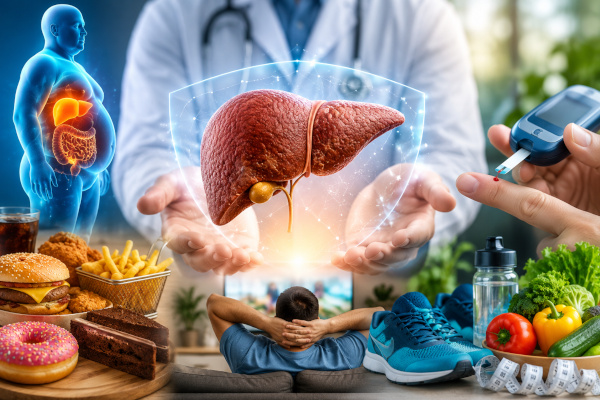
The liver performs hundreds of essential functions every day. It processes nutrients absorbed from food, helps regulate blood glucose and cholesterol, produces bile for fat digestion, stores vitamins and minerals, breaks down medicines and helps the body remove metabolic waste. Because of this close connection with digestion and metabolism, liver health cannot be separated from the way we eat.
Ayurveda also gives considerable importance to this connection. The liver is known as Yakrit, while digestion and metabolism are understood through concepts such as Agni, Pitta, Meda and Ama. Rather than describing the liver as an organ that periodically needs to be “detoxed,” traditional Ayurvedic reasoning places greater emphasis on maintaining balanced digestion, appropriate food intake and healthy metabolic function.
The liver already possesses sophisticated systems for processing and eliminating substances from the body. No juice, herb or short-term “detox diet” can wash toxins out of a healthy liver. Foods can, however, support overall nutrition, metabolic health and healthy body weight, all of which influence long-term liver health.
Modern medicine particularly recognises the importance of diet in metabolic dysfunction-associated steatotic liver disease, or MASLD, historically known as non-alcoholic fatty liver disease. Excess body weight, insulin resistance, type 2 diabetes and metabolic syndrome are among the major factors associated with accumulation of fat in the liver. NIDDK recommends healthy eating, portion control, physical activity and gradual weight loss where appropriate as central measures for reducing risk and managing fatty liver disease.
Ayurveda Connects the Liver With Agni and Metabolism
Ayurvedic descriptions place the liver within the broader system of digestion, transformation and metabolism. Agni represents the body’s capacity to digest and transform food, while Pitta is traditionally associated with processes involving heat and transformation.
The Ministry of AYUSH’s Standard Treatment Guidelines for metabolic disorders discusses fatty liver within this framework. It describes disturbances of Agni together with Kapha and Meda imbalance as part of the traditional Ayurvedic interpretation of fatty accumulation in the liver and emphasises appropriate diet, activity and correction of metabolic imbalance.
These concepts belong to Ayurveda and are not equivalent to modern biochemical definitions of liver enzymes, insulin resistance or fat metabolism. Yet both systems arrive at a similar practical conclusion: repeatedly overeating calorie-dense foods while remaining inactive can place substantial strain on metabolic health.
A sensible Ayurvedic-inspired liver diet should therefore begin with ordinary meals rather than medicinal formulations.
Moong Dal Can Form the Foundation of a Light Meal
Mudga, or green gram, is one of the most useful foods for creating a light but nourishing Indian meal.
Moong dal provides plant protein, fibre and minerals while being easy to incorporate into simple preparations such as dal, soup or khichdi. It can be combined with rice, millets or vegetables without requiring large amounts of oil.
Ayurvedic dietary traditions often favour simpler foods when digestion feels sluggish or appetite is reduced. A lightly prepared moong dal khichdi therefore fits the broader principle of providing nourishment without creating an excessively heavy meal.
This should not be interpreted as meaning that people with liver disease must survive on khichdi. Liver health requires adequate nutrition, including sufficient protein, and people with advanced liver disease may have specialised nutritional requirements that should be planned with a clinician or dietitian.
For an otherwise healthy person, however, meals based on pulses and vegetables provide a much better everyday foundation than repeated fried snacks or highly processed foods.
Vegetables Should Occupy a Large Part of the Diet
One of the most useful dietary changes for both digestion and metabolic health is increasing the variety of vegetables eaten regularly.
Bottle gourd, ridge gourd, pumpkin, carrots, beans, okra, leafy greens, cabbage and other locally available vegetables provide fibre, vitamins, minerals and numerous plant compounds while generally being lower in energy density than fried and highly processed foods.
WHO recommends diets built around a variety of vegetables, fruits, legumes, whole grains and minimally processed foods, while limiting excess free sugars, unhealthy fats and highly processed products.
This pattern is particularly relevant to fatty liver because calorie excess and weight gain are major risk factors.
Ayurvedic cooking often uses vegetables in cooked preparations with spices and modest amounts of fat. For people who experience bloating after large raw salads, cooked vegetables may also be easier to tolerate.
There is no requirement that vegetables must be raw to be healthy.
Bitter Vegetables Can Add Useful Variety
Bitter-tasting vegetables and greens have traditionally been valued in Ayurveda, particularly in dietary approaches concerned with Pitta, Kapha and metabolic imbalance.
Foods such as bitter gourd, fenugreek leaves and certain leafy greens can therefore be incorporated into ordinary meals where they are culturally familiar and well tolerated.
The bitterness itself should not be interpreted as evidence that a food “cleans the liver.” Bitter foods do not physically scrub toxins from hepatic tissue.
Their practical advantage is that they add vegetables and dietary variety without relying on excessive sugar or fat.
Bitter gourd, for example, can be prepared as part of a vegetable meal rather than consumed in concentrated juice every morning. Large quantities of concentrated herbal or vegetable extracts are not necessarily safer or more effective simply because the original food is traditional.
Whole foods generally provide the more sensible starting point.
Amla Adds Fruit, Vitamin C and Polyphenols
Amla, or Amalaki, occupies an important position in Ayurvedic dietary and Rasayana traditions.
Fresh amla provides vitamin C and numerous plant compounds and can be incorporated into a varied diet through fresh fruit, chutneys or lightly prepared foods.
Its strongest modern nutritional role is not as a medicine that reverses fatty liver but as one of many nutrient-dense fruits that can replace more heavily sweetened foods.
Amla candies, murabbas and sweetened juices may contain substantial added sugar. Someone trying to improve metabolic or fatty liver risk should therefore distinguish between eating amla and consuming large quantities of sugar in an amla-flavoured product.
Fresh or minimally sweetened preparations are generally the better dietary choice.
Turmeric Can Be Part of Cooking Without Becoming a Liver Cure
Turmeric, or Haridra, has been used extensively in Indian food and Ayurvedic traditions.
Its best-known compounds are curcuminoids, including curcumin. Laboratory and clinical research has investigated curcumin for metabolic and inflammatory conditions, but ordinary culinary turmeric should not be presented as a treatment for fatty liver, hepatitis or cirrhosis.
Using turmeric in dal, vegetables and soups is a reasonable way to include it in the diet.
The distinction becomes important when moving from food to concentrated supplements. Herbal extracts can contain doses far higher than those normally consumed in meals, and high-bioavailability curcumin preparations have occasionally been associated with liver injury.
People with known liver disease should therefore be particularly cautious about self-prescribing concentrated herbal products.
The fact that a substance is natural does not mean it cannot affect liver enzymes or interact with medicines.
Ginger Can Support Digestion as a Culinary Spice
Ginger, or Shunthi in its dried form, is another ingredient widely used in Ayurvedic and Indian dietary traditions.
It can be added to dals, vegetable dishes, soups and warm beverages and is often used traditionally when digestion feels slow or uncomfortable.
From a modern perspective, ginger has been studied mainly for nausea and several digestive symptoms, although evidence varies according to the condition and formulation.
Its most practical role in a liver-friendly diet is culinary. Ginger makes vegetables, pulses and soups more flavourful without requiring large quantities of salt, sugar or heavy sauces.
Again, concentrated supplements should be treated differently from normal food quantities, particularly in people taking medication.
Whole Grains and Millets Can Replace Refined Carbohydrates
Rice and wheat are not inherently harmful to the liver, but portion size and degree of processing matter.
A dietary pattern dominated by refined grains, sweets, sugary drinks and highly processed snacks can contribute to excess calorie intake and poor glucose control.
NIDDK recommends choosing more low-glycaemic foods, including many vegetables and whole grains, while limiting foods and drinks containing large amounts of simple sugars.
Whole wheat, oats, barley and millets such as ragi, jowar and bajra can provide greater fibre and dietary variety.
Ayurvedic tradition also gives different grains distinct qualities rather than treating them as interchangeable. Yava, or barley, for example, has historically been included in dietary approaches for conditions associated with excess Kapha and Meda.
That traditional framework fits reasonably well with the modern goal of choosing less refined, more fibre-rich carbohydrates when appropriate.
There is no need, however, to eliminate rice completely. A modest serving of rice eaten with dal, vegetables and protein is very different metabolically from an oversized portion accompanied by sugary drinks and fried foods.
Fruit Is Useful, but Fruit Juice Is Not the Same Thing
Whole fruits provide fibre, water, vitamins and plant compounds and can form part of a healthy liver-supporting diet.
Guava, papaya, pomegranate, citrus fruits, amla and other seasonal fruits can all be included according to availability and individual needs.
Fruit juice deserves more caution.
NIDDK specifically advises limiting foods and beverages containing large amounts of simple sugars, especially fructose, in people with fatty liver disease. Sweetened beverages can deliver substantial quantities of sugar without producing the same fullness as whole fruit.
This means eating an orange and drinking a large sweetened orange beverage are not nutritionally equivalent.
Ayurvedic-inspired eating also generally works better when foods are consumed in forms that are appropriate, moderate and compatible with normal appetite rather than concentrated into oversized “detox” drinks.
Sugar-Sweetened Drinks Are Particularly Worth Reducing
For modern liver health, this is one of the clearest dietary priorities.
Soft drinks, energy drinks, sweetened bottled teas, heavily sweetened coffee and many packaged fruit beverages contain large quantities of free sugar.
Frequent intake can contribute to excess calorie consumption, weight gain and poor metabolic health.
NIDDK specifically advises avoiding foods and drinks containing large amounts of simple sugars, particularly fructose-containing sweetened beverages, in people with fatty liver disease.
Someone trying to support liver health is likely to gain more from reducing a daily sugary beverage than from adding an expensive herbal tonic while leaving the rest of the diet unchanged.
Plain water remains the simplest everyday drink.
Healthy Fats Matter More Than Eliminating All Fat
The liver is deeply involved in fat metabolism, but that does not mean a healthy diet should contain no fat.
Nuts, seeds and suitable vegetable oils provide unsaturated fats and other nutrients.
NIDDK recommends replacing saturated and trans fats with unsaturated fats where possible, particularly because people with fatty liver frequently also face elevated cardiovascular risk.
Walnuts, almonds, sesame, flaxseed and peanuts can therefore be used in moderate quantities.
Traditional ghee can also fit into a diet in small amounts, but consuming large quantities because ghee is described favourably in Ayurveda can work against weight-management goals.
Ayurvedic dietary reasoning itself places great importance on Matra, or appropriate quantity.
A small spoonful used in cooking is different from repeatedly adding several spoonfuls to every meal.
Protein Is Important for Overall Metabolic Health
A liver-friendly diet should not become excessively restrictive.
Pulses, dairy where tolerated, eggs, fish or other suitable protein foods help maintain muscle mass and provide essential amino acids.
Muscle is metabolically active tissue and plays an important role in glucose regulation. Maintaining muscle through adequate protein and physical activity is particularly useful as people age.
For vegetarian diets, combinations of lentils, beans, chickpeas, green gram, dairy, nuts and grains can provide substantial protein.
People with established cirrhosis or other advanced liver disorders may require individualised protein and calorie planning. They should not follow highly restrictive internet diets without professional guidance.
NIDDK emphasises that good nutrition remains important even in advanced liver conditions and that meal planning may need to be tailored to the particular disease and its complications.
Healthy Weight Is More Important Than a “Liver Detox”
Among people who are overweight and have fatty liver disease, gradual weight reduction has some of the strongest evidence for improving liver health.
NIDDK states that losing around 3% to 5% of body weight can reduce liver fat, while larger losses may be needed to improve inflammation and fibrosis in some people. Rapid weight loss, however, can be harmful, so change should be gradual and nutritionally adequate.
This is one reason extreme juice cleanses, prolonged fasting and crash diets are poor approaches to liver health.
The useful objective is not to empty the digestive system for several days. It is to build eating habits that can be sustained for years.
Ayurveda’s emphasis on moderation, meal timing and digestive capacity fits much better with this long-term approach than modern commercial “detox” programmes do.
Alcohol Deserves Special Attention
Alcohol is directly metabolised by the liver and can cause liver injury when consumed excessively.
For anyone with alcohol-associated liver disease, NIDDK recommends complete abstinence. People with fatty liver are also generally advised to minimise alcohol because it can cause additional liver damage.
WHO emphasises that alcohol is causally associated with numerous health conditions, including liver disease, and that risk increases with greater consumption.
No Ayurvedic herb or food can cancel the effects of continued heavy alcohol intake.
Reducing or avoiding alcohol is considerably more meaningful for liver protection than taking a so-called hepatoprotective supplement while continuing to drink heavily.
Eating Too Much Is as Important as What Is Eaten
Ayurveda repeatedly emphasises the quantity of food, not simply its ingredients.
Eating wholesome food in excessive amounts can still contribute to weight gain and digestive discomfort.
The AYUSH metabolic-disorder guideline similarly emphasises appropriate dietary quantity as part of maintaining balanced Agni and preventing metabolic dysfunction.
Modern nutrition reaches the same conclusion through energy balance.
Large restaurant portions, repeated snacks, sweet beverages and frequent high-calorie foods can create a persistent calorie surplus even when individual ingredients appear healthy.
The practical goal is to finish a meal comfortably satisfied rather than painfully full.
Regular Meal Patterns May Help Control Overeating
Ayurveda traditionally values Kale Bhojana, or eating at an appropriate time, and avoiding constant eating before previous food has been properly digested.
Modern lifestyles often create the opposite pattern: skipping proper meals and then continuously grazing on biscuits, sweets, fried snacks and sugary beverages.
A more structured routine of balanced meals can make portion control easier and reduce reliance on highly processed snacks.
This does not mean everyone needs exactly three meals at identical times. People differ in work schedules, activity levels, medical conditions and appetite.
The principle is consistency rather than rigidity.
The Liver and Digestion Are Closely Connected
The liver is part of the digestive system.
Bile produced by the liver helps digest and absorb fats, while nutrients absorbed from the intestine travel to the liver for processing and storage. NIDDK describes the digestive system as including not only the gastrointestinal tract but also the liver, pancreas and gallbladder.
This connection helps explain why liver and digestive health often overlap.
A diet high in fibre-rich vegetables, whole grains and pulses supports bowel function while simultaneously helping improve overall metabolic quality.
People experiencing persistent abdominal pain, jaundice, unexplained weight loss, vomiting or major changes in digestion should not assume that the problem can be corrected simply by changing spices or drinking herbal teas.
Digestive symptoms sometimes reflect gallbladder, pancreatic, intestinal or liver disease and deserve medical assessment when persistent.
Herbs Are Not Automatically Safe for the Liver
One of the biggest misconceptions surrounding liver health is that herbal preparations are always protective because they are natural.
In reality, the liver must process many compounds contained in herbs and supplements just as it processes medicines.
NIDDK specifically advises people with fatty liver disease to discuss dietary supplements and complementary medicines with their doctor because some herbal remedies can damage the liver.
This is particularly important for people already diagnosed with liver disease or taking several medications.
Ayurvedic medicines should ideally be prescribed by a qualified practitioner and obtained from reliable manufacturers. Products containing unknown ingredients or unverified concentrations are not appropriate substitutes for food-based dietary changes.
The safest way to bring Ayurveda into everyday liver nutrition is usually through ordinary foods and culinary spices.
A Practical Ayurvedic-Inspired Liver-Friendly Meal
A useful lunch could consist of moong dal or another pulse, two cooked vegetables including a leafy vegetable, a moderate serving of rice, barley, millet or whole-grain roti, and a small amount of suitable oil or ghee.
Turmeric, ginger, cumin, coriander and other familiar spices can provide flavour.
A serving of fresh fruit such as amla, guava, papaya or pomegranate can be included during the day, while water remains the main beverage.
Nuts or seeds can be taken in modest quantities rather than fried snacks.
This is not an exotic liver diet. That is precisely its advantage.
It is a sustainable pattern based on ordinary foods.
What About Fatty Liver?
Fatty liver deserves particular attention because it often causes few or no symptoms, even when disease is developing.
People with obesity, type 2 diabetes, insulin resistance, abnormal cholesterol or metabolic syndrome have a higher risk.
If fatty liver is detected on ultrasound or blood tests are abnormal, the cause should be evaluated medically rather than assumed to be a simple digestive imbalance.
Management may include weight reduction, increased physical activity, control of diabetes and cholesterol and dietary changes.
Ayurvedic food principles can complement these measures, but they should not replace diagnosis and monitoring.
When Liver Symptoms Need Medical Attention
Several symptoms require prompt medical evaluation.
Yellowing of the skin or eyes, dark urine, unusually pale stools, abdominal swelling, vomiting blood, confusion, severe persistent abdominal pain or unexplained weight loss should never be managed only with dietary remedies.
Persistent elevation of liver enzymes also deserves medical evaluation.
Hepatitis B and C, autoimmune disease, alcohol-related liver disease, gallstone problems, medication-related injury and other conditions can all affect the liver and require different treatments.
The fact that many liver disorders remain silent until they become advanced makes appropriate testing especially important for people at increased risk.
Food Should Support the Liver, Not Promise to Cleanse It
Perhaps the most useful Ayurvedic principle for liver health is not a particular herb but moderation.
Eat according to appetite and digestive capacity. Avoid chronic overeating. Build meals around vegetables, pulses, whole or minimally processed grains and suitable protein. Use traditional spices as foods rather than automatically turning them into high-dose supplements. Limit excessive sugar, fried foods and alcohol. Maintain physical activity and a healthy body weight.
Modern liver medicine supports much of this practical pattern.
Healthy diets are based on adequacy, balance, moderation and diversity, according to WHO, while NIDDK emphasises healthy weight, portion control, vegetables, whole grains and reduced intake of simple sugars for metabolic liver health.
Ayurveda adds another valuable reminder: digestion and health depend not only on the theoretical virtues of a food but also on how much is eaten, how it is prepared and whether it suits the individual.
Foods such as moong dal, seasonal vegetables, leafy greens, amla, turmeric, ginger, barley, millets, nuts and seeds can all fit comfortably into a liver-supporting Ayurvedic diet.
None of them can cleanse a damaged liver overnight.
Used consistently as part of a balanced diet, however, they can support the broader conditions under which the liver performs its remarkable work every day: processing nutrients, regulating metabolism, producing bile and quietly protecting the body without requiring a fashionable detox at all.
You may also like
-
Ayurveda and Mental Fatigue in the Digital Age: Ancient Wisdom for a Calm and Focused Mind
-
Bharat Biotech’s Nucelion and VeGen Bio Partner to Manufacture Advanced Dual-Target CAR-T Cancer Therapy in India
-
Ayurveda and Anger: How Emotional Excess Affects Physical and Mental Health
-
Ayurveda and Stress: Daily Practices for Mental Balance and Emotional Well-Being
-
Ayurveda and Bowel Routine: Why Regularity Matters for Digestive Health
