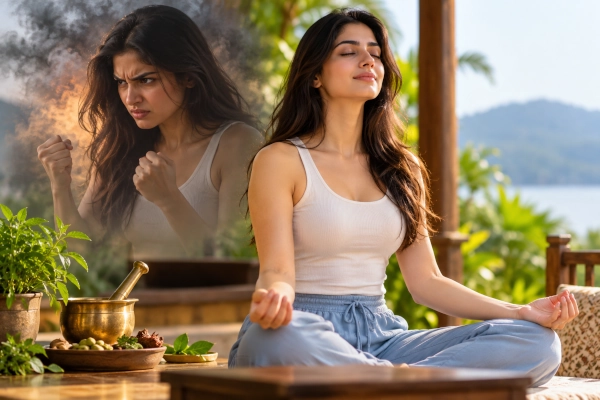
Anger is a natural human emotion that arises when individuals experience frustration, injustice, disappointment, or threats to their well-being. Although occasional anger is a normal psychological response, frequent emotional outbursts and prolonged resentment can disturb mental peace and affect physical health. Ayurveda recognised the close relationship between emotional states and bodily functions thousands of years ago, offering a comprehensive approach to understanding and managing emotional disturbances.
In Ayurvedic philosophy, anger is known as Krodha (क्रोध). Excessive anger is traditionally associated with disturbances in Pitta Dosha, particularly when accompanied by irritability, intense emotional reactions, impatience, and a feeling of internal heat. Ayurveda considers the mind and body interconnected, explaining that emotional disturbances may influence digestion, sleep, behaviour, and general well-being.
Rather than recommending the complete suppression of anger, Ayurveda emphasises emotional awareness, moderation, self-discipline, and the cultivation of mental clarity. Its approach combines appropriate food, daily routines, ethical conduct, relaxation, and the development of Sattva, the quality associated with balance and mental harmony.
Understanding Krodha in Ayurvedic Philosophy
Ayurveda recognises that mental and emotional experiences influence the functioning of the body. Classical Ayurvedic literature discusses several emotional states, including Krodha (anger), Shoka (grief), Bhaya (fear), and Chinta (worry), in relation to health and disease.
Krodha represents an intense emotional reaction that can arise when desires, expectations, or personal interests encounter resistance. Anger itself is not necessarily harmful, as it may signal that a boundary has been crossed or a problem requires attention. However, repeated emotional excess can become a source of psychological distress and behavioural imbalance.
Ayurvedic teachings distinguish between the experience of an emotion and the uncontrolled actions that may follow it. Recognising anger without allowing it to dominate judgment forms an important part of emotional self-regulation.
The traditional Ayurvedic approach therefore encourages individuals to examine the causes of anger, understand their habitual reactions, and develop the ability to respond thoughtfully rather than impulsively.
The Relationship Between Anger and Pitta Dosha
Among the three Doshas, Pitta is most closely associated with qualities such as heat, sharpness, intensity, and transformation. Pitta governs processes traditionally connected with digestion, metabolism, and the body’s ability to process and transform substances.
Ayurvedic descriptions also associate excessive Pitta with emotional qualities such as irritability, impatience, criticism, and anger. Individuals experiencing these patterns may react strongly to disagreements, become frustrated by delays, or struggle to remain calm under pressure.
From an Ayurvedic perspective, a Pitta-aggravating lifestyle may contribute to emotional instability. Irregular meals, insufficient sleep, excessive heat exposure, overwork, and frequent consumption of intensely spicy foods are traditionally considered factors that can aggravate Pitta.
However, anger should not automatically be interpreted as evidence of a Pitta imbalance. Emotional reactions may also arise from psychological stress, traumatic experiences, sleep deprivation, interpersonal difficulties, and medical conditions. Dosha-based explanations belong to Ayurveda’s traditional theoretical framework and should not be confused with established biomedical diagnoses.
The Influence of Rajas and Tamas on Anger
Ayurveda and related Indian philosophical traditions describe three fundamental qualities of the mind, known as Sattva, Rajas, and Tamas. These qualities help explain differences in mental activity, emotional responses, and behaviour.
Sattva represents clarity, harmony, understanding, and balanced judgment. A Sattvic state allows individuals to recognise difficult emotions while maintaining sufficient awareness to respond constructively. It encourages patience, compassion, restraint, and thoughtful decision-making.
Rajas represents activity, movement, passion, restlessness, and intense desire. When Rajasic tendencies become excessive, individuals may experience agitation, competitiveness, impatience, and heightened emotional reactions. Anger associated with frustration or unfulfilled expectations is commonly understood through this quality.
Tamas represents heaviness, inertia, confusion, and obscured understanding. In emotional behaviour, excessive Tamas may appear as stubbornness, prolonged resentment, withdrawal, or an inability to examine situations objectively.
Ayurvedic mental well-being practices seek to cultivate Sattva while moderating excessive Rajas and Tamas. The purpose is not to eliminate normal emotions but to prevent them from overwhelming awareness and influencing behaviour destructively.
How Excessive Anger Can Affect Physical Health
Anger and the Cardiovascular System
Intense anger activates the body’s physiological stress response. During an emotional outburst, the sympathetic nervous system becomes more active, increasing heart rate, blood pressure, and muscular tension. These changes prepare the body to respond rapidly to a perceived threat or challenge.
Scientific investigations have examined the association between intense anger and cardiovascular events. A systematic review and meta-analysis published in the European Heart Journal found an increased rate of certain cardiovascular events during the two hours following anger outbursts. The researchers also noted that the absolute risk associated with an occasional episode remained relatively small, particularly among individuals with low underlying cardiovascular risk.
Ayurveda traditionally approaches such disturbances through the broader principle of maintaining emotional balance and avoiding excessive mental agitation. Its emphasis on moderation, adequate rest, and calming routines complements established recommendations for stress management, although these practices cannot replace medical treatment for cardiovascular disease.
Anger and Digestive Health
Ayurveda gives considerable importance to the relationship between emotional states and Agni, the digestive and metabolic principle described in classical medicine. Traditional teachings explain that intense emotions, including anger, fear, grief, and anxiety, may disturb the normal functioning of digestion.
A person experiencing anger may lose interest in food, eat too quickly, develop abdominal discomfort, or experience changes in appetite. Modern physiology also recognises that psychological stress can influence gastrointestinal activity through interactions between the nervous system and the digestive tract.
Ayurvedic dietary principles recommend eating in a calm environment, paying attention to hunger, and avoiding meals during intense emotional distress. Such practices encourage mindful eating and may help individuals recognise unhealthy eating patterns associated with stress.
The concept of disturbed Agni is a traditional Ayurvedic explanation rather than a directly measurable biomedical mechanism. Persistent acidity, abdominal pain, vomiting, or digestive disturbances require appropriate medical evaluation instead of being attributed solely to emotional imbalance.
Anger and Sleep Disturbances
Unresolved anger can make relaxation difficult, especially when individuals repeatedly revisit arguments or distressing experiences before bedtime. This pattern of repetitive negative thinking, commonly called rumination, may maintain psychological arousal and interfere with the transition into sleep.
Ayurveda considers Nidra, or sleep, one of the three foundational supports of life, alongside Ahara (food) and Brahmacharya, understood in this context as disciplined conduct and appropriate regulation of bodily activities.
Regular sleep routines, reduced evening stimulation, and calming activities are therefore important components of Ayurvedic lifestyle management. Individuals who remain emotionally agitated late into the evening may benefit from creating a predictable period of quiet activity before bedtime.
Adequate sleep also supports emotional regulation. Poor sleep can increase irritability and reduce the ability to respond patiently to challenging situations, creating a recurring relationship between emotional distress and sleep difficulties.
Anger, Mental Health, and Emotional Exhaustion
Frequent anger can affect psychological well-being by increasing interpersonal conflict, mental fatigue, and dissatisfaction. Individuals who experience repeated emotional outbursts may subsequently develop feelings of regret, guilt, frustration, or embarrassment, particularly when anger affects family relationships or professional responsibilities.
Ayurvedic philosophy places considerable emphasis on maintaining harmony between thought, speech, and action. Emotional self-regulation involves recognising internal reactions, understanding their causes, and avoiding harmful responses that may create further distress.
The classical concept of Prajnaparadha, often translated as an error of judgment or misuse of intellect, provides another perspective on unhealthy behaviour. It describes actions arising when understanding, restraint, or awareness fail to guide conduct appropriately.
In the context of anger, Prajnaparadha may be understood as acting impulsively despite recognising the possible consequences. Developing awareness before responding can help individuals interrupt habitual patterns of harsh speech, aggression, and emotional escalation.
Persistent irritability, uncontrolled aggression, or anger that disrupts daily functioning may indicate an underlying psychological or medical concern. Professional mental health support can help identify contributing factors and develop effective coping strategies.
Sattvavajaya: Ayurveda’s Approach to Emotional Self-Control
Sattvavajaya is an important concept in Ayurvedic mental health care. It refers broadly to strengthening mental restraint and guiding the mind away from unhelpful or harmful patterns of thinking and behaviour.
The approach encourages individuals to recognise emotional triggers and develop greater control over their reactions. Rather than responding immediately to provocation, a person learns to observe the emerging emotion and consider whether an impulsive response will improve or worsen the situation.
Classical Ayurvedic discussions of mental discipline emphasise the importance of knowledge, understanding, remembrance, courage, and concentration. These qualities support more thoughtful decisions during emotionally challenging situations.
In practical terms, Sattvavajaya-inspired habits may include reflecting on the causes of anger, avoiding unnecessary confrontation, practising patience, and developing healthier ways to communicate dissatisfaction.
These traditional principles share certain broad goals with modern psychological approaches to emotional regulation. However, Sattvavajaya should not be presented as equivalent to evidence-based psychotherapy or as a replacement for professional treatment.
Ayurvedic Dietary Principles for Managing Excessive Anger
Ayurveda traditionally recommends moderating dietary factors considered aggravating to Pitta when irritability and emotional intensity occur alongside other Pitta-related patterns. The emphasis falls on regular meals, adequate nourishment, appropriate hydration, and foods suited to the individual’s digestive capacity.
Freshly prepared meals containing vegetables, suitable grains, seasonal fruits, and moderate amounts of healthy fats can form part of a balanced dietary routine. In traditional Ayurvedic dietary classification, foods with naturally sweet, bitter, and astringent tastes are often described as helping to pacify aggravated Pitta.
Very spicy preparations, excessive chilli, highly acidic foods, and frequent consumption of strong stimulants are traditionally discouraged when signs of increased Pitta are present. However, there is insufficient clinical evidence to conclude that avoiding these foods independently treats anger or aggression.
Eating habits are equally important. Skipping meals, remaining hungry for prolonged periods, or consuming food hurriedly during periods of emotional distress can make some individuals feel more irritable or uncomfortable.
Ayurveda encourages regular eating patterns and attention to the body’s signals. Such practices support general well-being and provide a more sustainable approach than restrictive diets based solely on emotional symptoms.
The Importance of Dinacharya in Emotional Balance
Dinacharya, the Ayurvedic concept of a structured daily routine, aims to establish consistency in waking, eating, physical activity, personal care, and sleeping. Traditional Ayurveda considers regularity beneficial for maintaining balance in bodily and mental functions.
A predictable morning routine can provide an opportunity to begin the day without unnecessary haste. Gentle movement, personal hygiene, a nourishing breakfast when appropriate, and a few minutes of quiet reflection may help establish a calmer mental state.
Throughout the day, regular breaks can prevent the accumulation of fatigue and mental strain. Individuals who work under demanding conditions may find it useful to step away briefly from stressful situations, stretch, walk, or engage in a calming activity.
Evening routines should encourage a gradual reduction in stimulation. Limiting unnecessary arguments, excessive screen exposure, and demanding work immediately before bedtime may support relaxation and sleep quality.
The value of Dinacharya lies in the consistency of healthy practices rather than rigid adherence to a particular schedule. A routine should remain practical, sustainable, and appropriate for the individual’s responsibilities and health.
Pranayama, Meditation, and Yoga for Anger Management
Traditional Indian wellness practices use breathing exercises, meditation, and gentle physical activity to encourage mental steadiness. These approaches may help individuals become more aware of the physical sensations associated with emotional stress.
Slow, comfortable breathing can support relaxation by reducing physiological arousal. When anger begins to develop, deliberately slowing the breathing rhythm and allowing a longer, unforced exhalation may help interrupt the tendency to react immediately.
Meditation provides an opportunity to observe thoughts and emotions without responding automatically. Regular mindfulness practice may support emotional awareness and help individuals recognise recurring triggers before they develop into intense reactions.
Gentle yoga practices can also promote physical relaxation, particularly when anger is accompanied by muscular tension or restlessness. The combination of movement, breathing, and focused attention may contribute to general stress management.
Traditional cooling practices such as Sheetali and Sheetkari Pranayama are often recommended within yoga-based approaches to Pitta regulation. However, their specific effectiveness for anger management has not been established through strong clinical evidence. Individuals with respiratory difficulties or other health concerns should seek appropriate guidance before attempting specialised breathing techniques.
Forceful breathing, prolonged breath retention, and practices that cause dizziness or discomfort should be avoided, especially without qualified instruction.
Abhyanga and Traditional Relaxation Practices
Abhyanga, the Ayurvedic practice of applying oil to the body through massage, is traditionally associated with relaxation, nourishment, and the maintenance of physical comfort.
Gentle massage may provide a calming sensory experience, particularly when combined with a quiet environment and sufficient time for rest. In Ayurvedic practice, the choice of oil and method of application depends on individual constitution, seasonal conditions, and the purpose of treatment.
Traditional Pitta-oriented routines sometimes favour coconut oil because of its cooling qualities within Ayurvedic classification. However, the suitability of any oil depends on skin sensitivity and individual health conditions.
Massage should not be considered a specific medical treatment for uncontrolled anger. Individuals with skin infections, allergies, injuries, or other medical concerns should avoid inappropriate applications and seek professional advice where necessary.
The broader benefit of relaxation rituals often comes from creating a deliberate period of rest and reducing the constant stimulation associated with demanding lifestyles.
Anger Management Through Achara Rasayana
Achara Rasayana is an important Ayurvedic concept that places ethical behaviour, disciplined living, and healthy social relationships within the framework of well-being.
Unlike approaches focused primarily on medicinal preparations, Achara Rasayana emphasises the influence of conduct and character on health. Traditional descriptions encourage truthfulness, compassion, peaceful behaviour, respect for others, and freedom from excessive anger.
The practical significance of this approach lies in recognising that emotional well-being develops through everyday habits. Speaking respectfully during disagreements, avoiding unnecessary hostility, and considering another person’s perspective can reduce interpersonal tension.
Forgiveness and patience also occupy important places within this framework. Forgiveness does not require individuals to accept mistreatment or abandon personal boundaries. Instead, it can involve releasing persistent resentment while responding to difficult circumstances with clarity.
By encouraging self-awareness and ethical conduct, Achara Rasayana presents emotional discipline as an ongoing aspect of healthy living rather than an occasional response to psychological distress.
Seasonal Influences on Pitta and Emotional Well-Being
Ayurveda describes seasonal changes through Ritucharya, the practice of adapting food and daily routines to environmental conditions. Classical seasonal guidance traditionally associates Pitta accumulation with Varsha Ritu, the rainy season, and Pitta aggravation with Sharad Ritu, the autumn season.
During periods traditionally associated with Pitta aggravation, Ayurveda recommends avoiding excessive heat exposure and adopting suitable dietary and lifestyle practices. These recommendations aim to maintain comfort and support the body’s adaptation to changing environmental conditions.
Modern observations also suggest that extreme heat can affect mood, comfort, and behaviour, although individual responses depend on multiple environmental and psychological factors.
Maintaining hydration, ensuring adequate ventilation, avoiding unnecessary exertion during intense heat, and obtaining sufficient sleep are sensible measures for general well-being.
Seasonal Ayurvedic recommendations should be adapted to local climate, personal comfort, and existing medical conditions. They should not be interpreted as evidence that seasonal Pitta changes directly cause anger or psychiatric illness.
Why Suppressing Anger Is Not the Same as Managing It
Emotional discipline does not mean denying anger or pretending that troubling situations do not exist. Anger may reveal important concerns involving personal safety, unfair treatment, unmet needs, or violations of boundaries.
Suppressing every expression of anger without addressing its underlying cause can allow emotional tension and interpersonal difficulties to persist. Conversely, repeatedly expressing anger through shouting, intimidation, or aggression can damage relationships and create further distress.
A healthier approach involves recognising the emotion, identifying its trigger, and selecting an appropriate response. Individuals may need to communicate dissatisfaction clearly, establish boundaries, resolve conflicts, or seek support when facing circumstances beyond their control.
Ayurveda’s emphasis on Sattva and mental restraint can be understood as encouraging this distinction between awareness and impulsive behaviour.
The objective is not emotional numbness but the ability to experience strong feelings without allowing them to dominate judgment or lead to harmful actions.
When Anger Requires Professional Attention
Occasional anger is part of ordinary emotional life. However, persistent irritability, repeated aggressive behaviour, or difficulty controlling emotional reactions may require professional assessment.
Anger deserves particular attention when it leads to threats, physical violence, damaged relationships, occupational problems, or fear among family members. Sudden and unexplained changes in behaviour may also arise from psychological distress, substance use, medication effects, or medical conditions.
A qualified mental health professional can help assess contributing factors and recommend appropriate interventions. Cognitive behavioural therapy and other structured psychological approaches can help individuals identify triggers, challenge unhelpful thinking patterns, and practise healthier responses.
Ayurvedic lifestyle practices may complement professional care when used appropriately, but herbal preparations and specialised treatments should not be self-prescribed for anger or other mental health concerns. Some Ayurvedic products may interact with medicines or contain ingredients that require careful quality and safety assessment.
Anyone experiencing an urge to harm themselves or another person should seek immediate assistance from emergency services or an appropriate healthcare professional.
Conclusion: Cultivating Emotional Balance Through Ayurveda
Ayurveda approaches anger as part of the wider relationship between mental activity, bodily health, lifestyle, and personal conduct. Its traditional explanations involving Pitta, Rajas, Tamas, and Sattva provide a philosophical framework for understanding emotional excess and the importance of mental discipline.
The principles of Sattvavajaya, Dinacharya, and Achara Rasayana encourage individuals to cultivate self-awareness, maintain healthy routines, communicate thoughtfully, and develop greater control over impulsive reactions.
Modern scientific research supports the broader recognition that intense anger and prolonged psychological stress can affect cardiovascular activity, digestion, sleep, and emotional well-being. At the same time, traditional Ayurvedic concepts must be distinguished from scientifically established physiological mechanisms.
By combining emotional awareness, balanced nutrition, adequate sleep, gentle physical activity, relaxation, and appropriate professional support, individuals can develop healthier responses to anger.
The Ayurvedic ideal is not a life without anger, but a mind sufficiently balanced to respond with wisdom, patience, and clarity.
References
1. Charaka Samhita — Sutra Sthana.
Classical discussions of the relationship between mind, bodily functions, emotional disturbances, wholesome conduct, and the importance of protecting Agni.
2. Charaka Samhita — Sharira Sthana, Chapter 1.
Discussions concerning mental qualities, Prajnaparadha, and Sattvavajaya as an approach to mental restraint.
3. Charaka Samhita — Chikitsa Sthana, Chapter 1.
Traditional descriptions of Rasayana and Achara Rasayana, including ethical conduct, truthfulness, peaceful behaviour, and avoidance of excessive anger.
4. Ministry of AYUSH, Government of India.
Ayurvedic recommendations discussing Agni, diet, psychological stress, and the influence of emotional states on digestive functions.
https://ayush.gov.in/resources/pdf/health/ARPHHC19.pdf
5. Mostofsky E. et al. (2014).
Outbursts of Anger as a Trigger of Acute Cardiovascular Events: A Systematic Review and Meta-analysis. European Heart Journal, 35(21), 1404–1410.
https://pmc.ncbi.nlm.nih.gov/articles/PMC4043318/
6. National Center for Complementary and Integrative Health (NCCIH), National Institutes of Health.
Stress. Scientific information concerning stress physiology, relaxation responses, and mind-body approaches.
https://www.nccih.nih.gov/health/stress
7. National Center for Complementary and Integrative Health (NCCIH).
Relaxation Techniques: What You Need To Know. Research evidence and safety considerations for breathing exercises, relaxation methods, and related practices.
https://www.nccih.nih.gov/health/relaxation-techniques-what-you-need-to-know
8. National Center for Complementary and Integrative Health (NCCIH).
Mind and Body Approaches for Stress and Anxiety: What the Science Says. January 2024.
https://www.nccih.nih.gov/health/providers/digest/mind-and-body-approaches-for-stress-science
You may also like
-
Ayurveda and Stress: Daily Practices for Mental Balance and Emotional Well-Being
-
Ayurveda and Bowel Routine: Why Regularity Matters for Digestive Health
-
Why Ayurveda Warns Against Suppressing Hunger, Thirst and Sleep
-
India Strengthens Quality Standards for Ayurveda, Yoga and Sowa-Rigpa Through Nationwide BIS Initiative
-
Sanofi Receives Indian Approval for Qfitlia, a New RNA-Based Treatment for Haemophilia A and B
