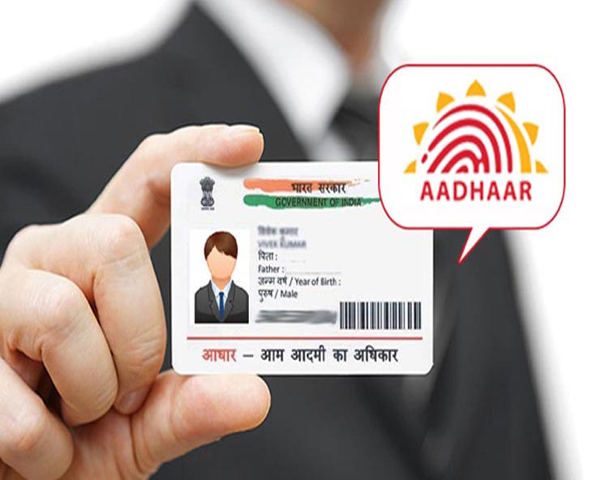
The new Aadhaar App has crossed 31 million downloads within five months of its launch, marking a strong rise in public adoption of digital Aadhaar services across India. The growing use of the app reflects increasing resident confidence in mobile-based identity management and the convenience of accessing Aadhaar services directly from smartphones.
Built to improve ease of living, the Aadhaar App allows residents to complete important Aadhaar-related tasks without depending entirely on physical visits. One of its most widely used services has been mobile number updating. So far, nearly 40 lakh people have updated their mobile numbers through the app, showing its growing role in simplifying a service that is essential for Aadhaar-linked authentication, digital payments, government benefits and online verification.
The app has also emerged as a useful platform for address updates. Around 8.5 lakh residents have updated their addresses using the Aadhaar App, making the process easier for people who relocate for work, education, marriage, tenancy or other reasons. By allowing residents to manage such updates through a smartphone, the app is helping reduce time, paperwork and dependence on physical service points.
The Aadhaar App has been designed as a privacy-first digital identity tool for Aadhaar Number Holders. It enables users to show, share and verify their identity in a controlled and convenient manner. The app includes several resident-friendly features such as one-click biometric lock and unlock, face verification for proof of presence, authentication history and a QR-based editable contact card that can be shared digitally instead of using physical visiting cards.
Residents can also use the app to download e-Aadhaar and book appointments online for visiting Aadhaar Seva Kendras. These features make the app a single digital access point for several Aadhaar services that were earlier handled through separate processes or service centres.
The app is also being positioned for wider real-world use. Its QR-based offline verification feature can support hotel check-ins, hospital admissions, visitor management systems, event entries and identity verification for gig workers, delivery partners, service personnel and other field-based workers. This makes Aadhaar verification easier for both residents and organisations while reducing the need to share excessive personal information.
The rapid rise in downloads shows that residents are increasingly willing to use digital tools for identity-related services when the platform is simple, secure and useful. With millions already using the app for mobile number and address updates, the Aadhaar App is becoming an important part of India’s digital public infrastructure.
As more services begin to integrate QR-based and app-enabled Aadhaar verification, the platform is expected to play a larger role in everyday identity use cases. From government service delivery to private-sector verification needs, the app signals a shift towards faster, paper-light and resident-controlled digital identity management.
You may also like
-
Trump Points to India’s Voter ID System as He Renews Push for SAVE America Act
-
CERT-In Warns Chrome Users of High-Risk Security Flaws, Urges Immediate Browser Update
-
From Transformation to Viksit Bharat: PM Modi Sets Out India’s Next Development Leap on 80th Independence Day
-
PM Modi Greets Nation on 80th Independence Day, Calls for Renewed Push Towards Viksit Bharat
-
Over 5.63 Lakh Indian Villages Now Covered by Liquid Waste Management Under SBM(G) Phase II
