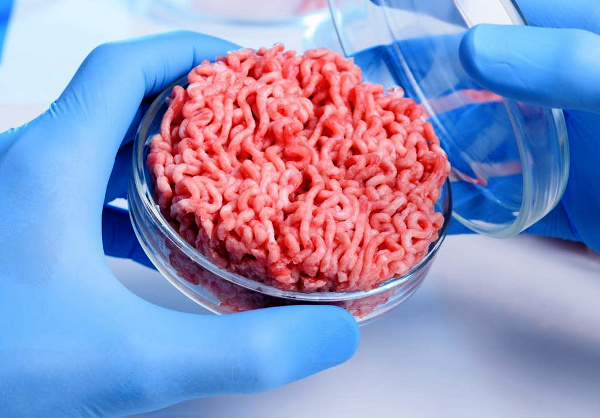
Cellular agriculture involves using biotechnology to produce animal-based products in a controlled environment instead of breeding and slaughtering animals.
India is all set to get a taste of cell-based or ‘clean’ meat as early as next year, with the Maharashtra government giving the state-funded Institute of Chemical Technology (ICT) a go-ahead to establish a cellular agriculture research centre in the state.
ICT has joined hands with The Good Food Institute, a global non-profit organisation engaged in promoting the plant- and cell-based meat sector through research and commercialisation, to establish a lab facility in Mumbai by 2020.
The two entities are expected to sign an MoU to set up a ‘Centre of Excellence in Cellular Agriculture’, which will see the Mumbai laboratory coming up in the first phase, followed by a larger research facility at ICT’s Jalna campus by 2021. “This will be the world’s first dedicated centre on cellular agriculture. This centre will pioneer innovation, allowing Indian businesses a chance to create products using our research,” said Dr Rekha Singhal, dean, research, consultancy and resource mobilisation, ICT Mumbai.
Both organisations will jointly focus on raising funds from philanthropists, charitable foundations and government institutions for the centre. “It will include state-of-the-art facilities for cell culturing and endow research fellowships in the various technology areas of cellular agriculture, including cell culture media, cell line isolation, scaffolding, and bioreactor design,” said Varun Deshpande, MD, India, The Good Food Institute.
Cellular agriculture involves using biotechnology to produce animal-based products in a controlled environment instead of breeding and slaughtering animals. Proponents of cell-based meat, which is created by cultivating a small sample of animal cells in a laboratory, claim that it does not differ from regular meat in taste or protein content. “The resulting product is 100% real meat, minus the antibiotics, E. coli, salmonella or animal waste,” Deshpande said.
Source: ET
Image Courtesy: Phys.org
You may also like
-
IIT Hyderabad Develops Lung-Derived Bioink for 3D Bioprinting and Regenerative Medicine
-
Indian Scientists Discover Molecular Switch That Can Regulate Cellular Autophagy
-
Scientists Map Earliest Glow of Hydrogen, Opening A New Window to the Universe
-
Indian Researchers Study RAD51 DNA-Repair Gene Variant in Prostate Cancer
-
TDB Backs Multi Nano Sense With ₹37.51 Crore to Build Indigenous Multi-Gas Sensor Platform
