Ramayan Diplomacy

Diplomacy in Ramayana

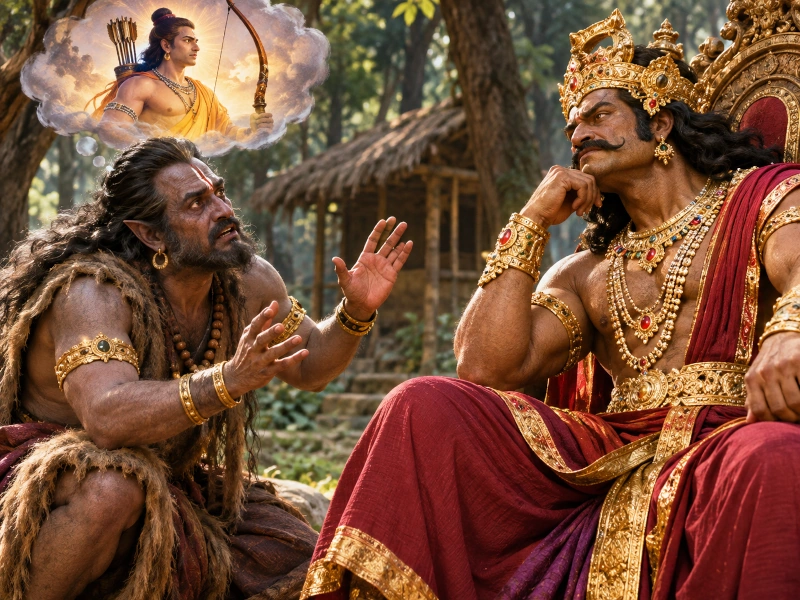
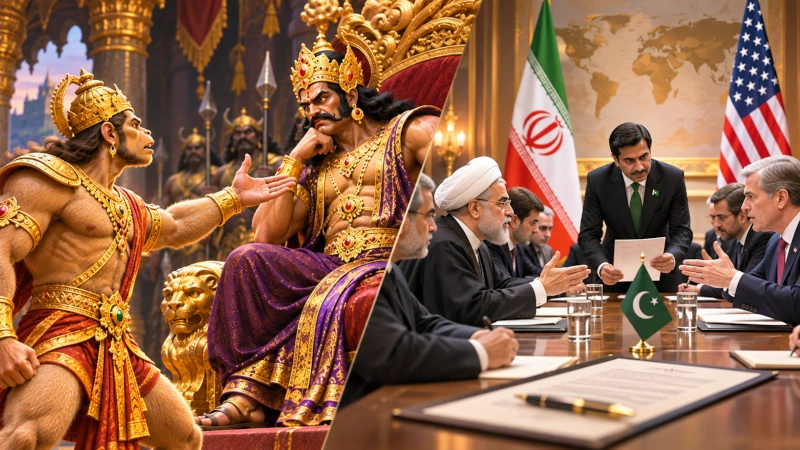
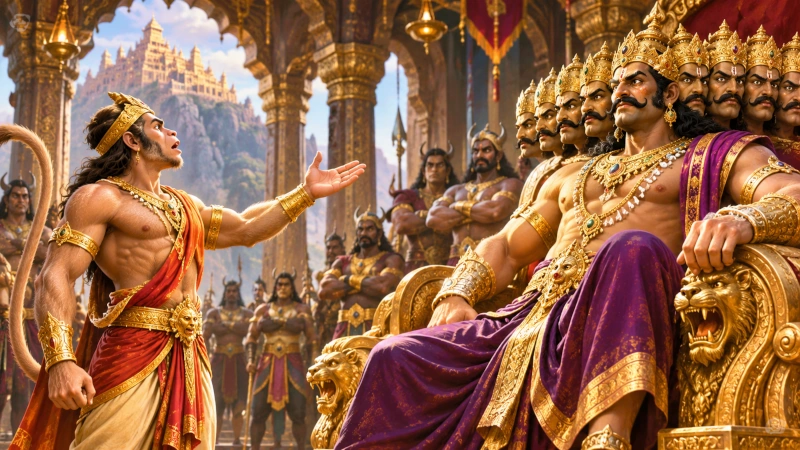
Mārīca’s Warning to Rāvaṇa: When Strategic Advice Is Ignored by Political Leadership

The episode also raises an enduring question in political and military affairs: what happens when an experienced adviser recognises a dangerous course of action but the ruler refuses to listen? Through Mārīca’s warnings and Rāvaṇa’s response, the Rāmāyaṇa explores the relationship between knowledge, power, obedience and the potentially disastrous consequences of strategic miscalculation.

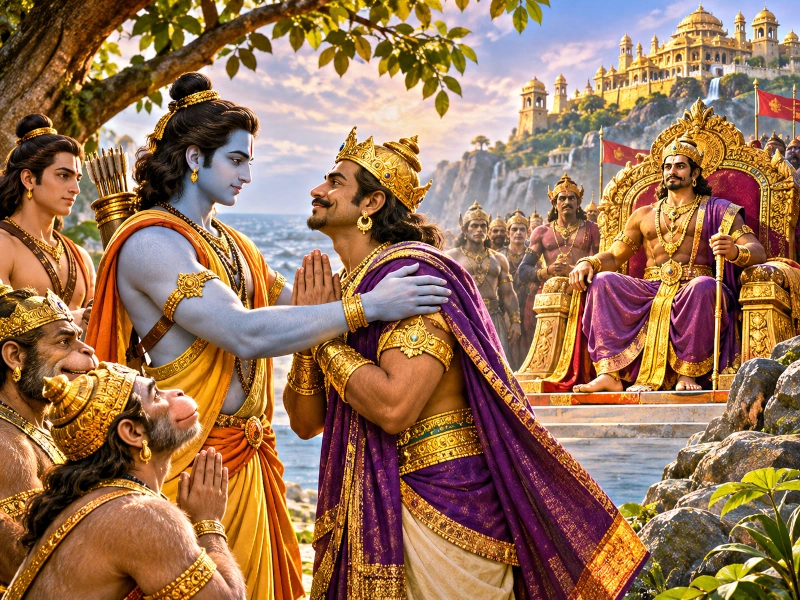
From Enemy Prince to Allied King: Vibhīṣaṇa and the Politics of Strategic Realignment

Vibhīṣaṇa’s acceptance changes the political character of the approaching confrontation. Until this point, the conflict primarily involves Rāma and his allies against Rāvaṇa’s ruling establishment. With Vibhīṣaṇa’s entry, Rāma’s coalition acquires a prominent representative of Laṅkā’s own royal family.

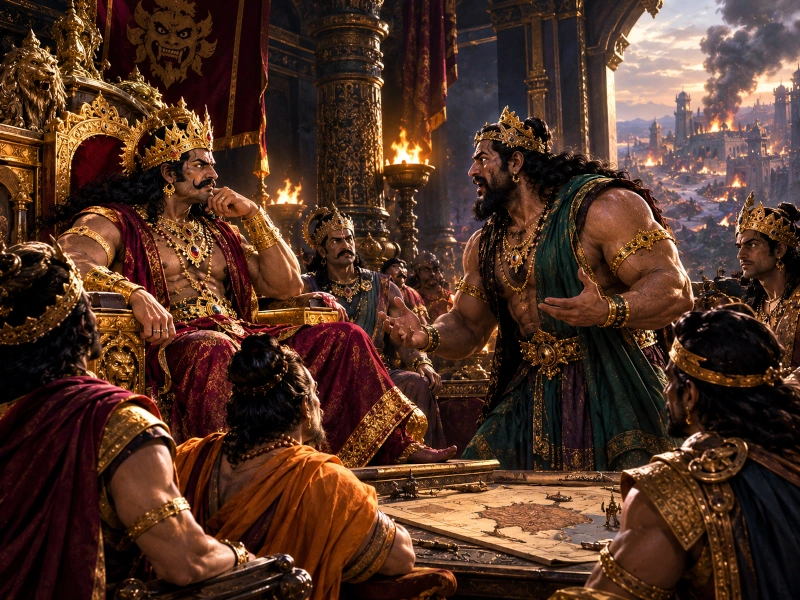
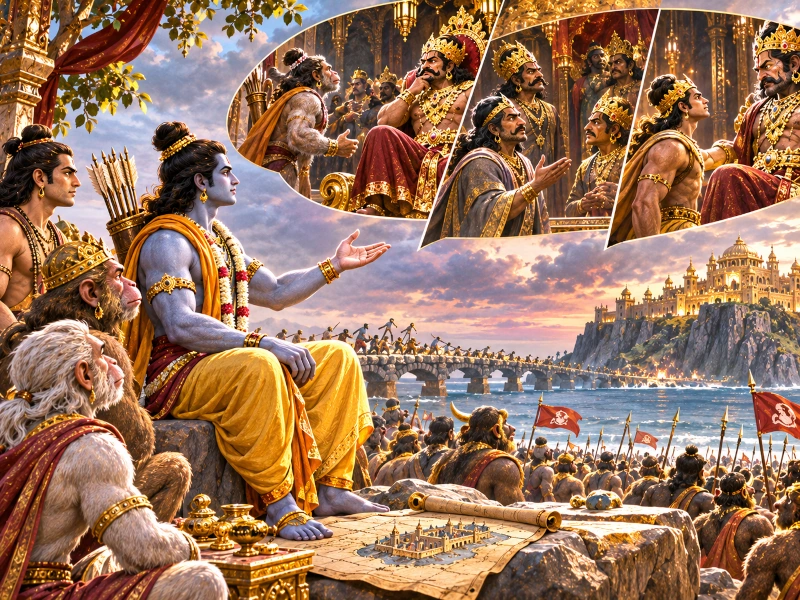
Vibhīṣaṇa’s Counsel to Rāvaṇa: The Importance of Dissent in Foreign Policy

Vibhīṣaṇa approaches the situation differently. He recognises that the immediate question is not whether Laṅkā possesses formidable warriors, but whether the conflict serves any legitimate strategic interest. Sītā’s abduction has created the dispute, and her continued detention provides Rāma with the reason to undertake military action.

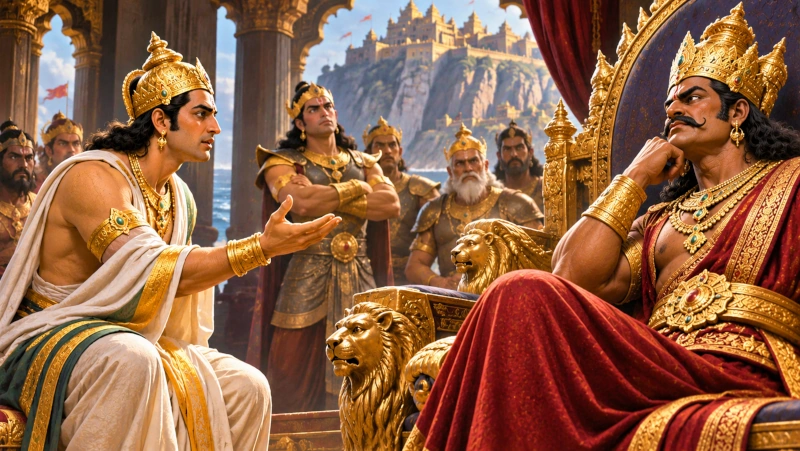
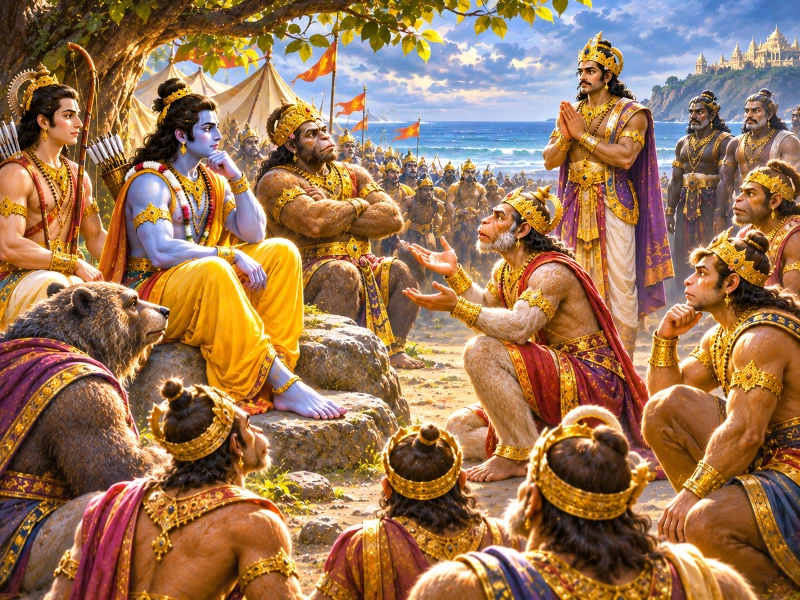
The Debate Over Vibhīṣaṇa: Intelligence Assessment, Security Risks and Political Asylum

The diplomatic significance of this episode lies in the need to evaluate an individual seeking political protection without allowing either excessive suspicion or unquestioning trust to determine the outcome. Rāma’s council was required to distinguish between an enemy agent and a potential ally while considering the wider implications for the approaching war.

Categories