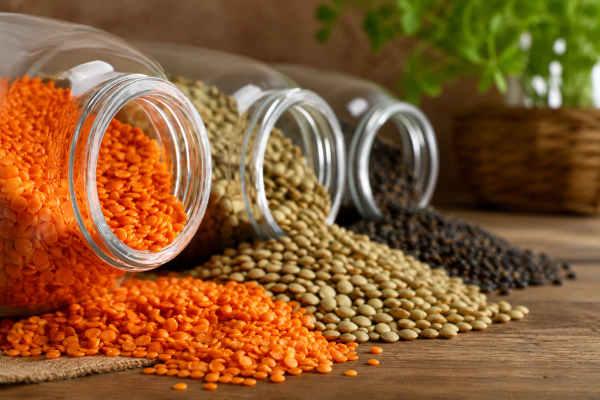
In the Indian kitchen, lentil is more than a daily dal. It is a simple food with deep medicinal value. Ayurveda sees lentil, especially Masura Dal, as a strengthening, digestive and tissue-supporting pulse when cooked with the right spices. A warm bowl of lentil soup can nourish the body, support recovery, balance heaviness and give steady energy without burdening digestion.
In Sanskrit, lentil is known as Masura. It belongs to the group of pulses that have been used in Indian food and medicine for centuries. Ayurveda describes Masura as laghu and ruksha, meaning light and dry in quality. Its taste is mainly kashaya and madhura, astringent and mildly sweet. Because of this nature, Masura helps balance excess Kapha and supports conditions where the body needs firmness, lightness and digestive stability.
A classical preparation of lentil appears as Dali / Soopa, meaning lentil soup. This preparation is connected with traditional Ayurvedic references such as Bhavaprakash Nighantu, 12/7–8, and Kaiyadeva Nighantu, 5/90–91. These references show how lentil was understood not merely as ordinary food, but as a prepared medicinal diet. In Ayurveda, soup is a powerful form of food medicine because it is warm, moist, easy to digest and capable of carrying the qualities of herbs and spices into the body.
Dali or Soopa is the ideal Ayurvedic way to consume lentil. It is prepared by cooking lentils until soft and then seasoning them with digestive spices. This form makes the pulse lighter for the stomach and more useful for people who need nourishment with gentle digestion. A thin lentil soup supports Agni, the digestive fire, while giving strength through plant-based protein and minerals.
The special value of Masura lies in its grahi quality. Grahi means it helps absorb excess fluid and supports firmness in the body. This makes lentil useful in diets where digestion feels loose, weak or unstable. Its astringent nature gives tone to the tissues and helps the body regain steadiness. This is why lentil soup has traditionally been valued during weakness, fatigue and recovery diets.
For Kapha body types, lentil is especially useful. Kapha people often feel heaviness, sluggishness and slow digestion. Masura dal cooked with ginger, cumin, black pepper and a little ghee gives nourishment while keeping the meal light and clean. It supports energy without creating unnecessary heaviness.
For Pitta body types, lentil works well when prepared in a mild and cooling way. It can be cooked with turmeric, coriander leaves, cumin and ghee. Too much chilli, mustard and sour ingredients can make the preparation sharper, so a gentle version suits Pitta better.
For Vata body types, lentil needs careful cooking. Because Masura has dry and astringent qualities, it should be soaked, cooked very soft and prepared with ghee, asafoetida, cumin and ginger. This makes it warmer, smoother and easier on the gut. A thin lentil soup is better for Vata than a thick, dry dal.
A simple Ayurvedic recipe is Masura Dali / Soopa. Wash and soak red lentils for some time. Cook them well until they become soft. Add enough warm water to make a thin soup. In a small pan, warm ghee and add cumin, a pinch of asafoetida, crushed ginger, turmeric and a little black pepper. Pour this seasoning into the cooked lentil soup. Add rock salt and garnish with coriander leaves. This preparation is light, warm, digestive and strengthening.
This soup can be taken with rice, soft chapati or by itself as a healing bowl. It is best eaten warm. Lunch is the ideal time because digestive fire is naturally stronger during the day. At dinner, lentil should be taken in a thinner soup form.
Lentil also supports muscle strength. It is one of the most important vegetarian protein foods in the Indian diet. Ayurveda teaches that strength comes from food that the body can digest properly. Lentil gives its best benefit when Agni is protected with spices like cumin, ginger, black pepper and hing.
Masura also has a place in traditional external care. Finely powdered lentil mixed with milk, rose water, turmeric or herbal water has been used as an ubtan for skin cleansing. It helps remove excess oil and gives a clean texture to the skin. This shows the Indian idea of food as both inner nourishment and outer care.
Lentil combines well with rice, wheat roti, ghee, cumin, ginger, turmeric, coriander, black pepper and mild vegetables. It becomes more balanced when cooked with ghee and digestive spices. Heavy frying, excess oil and poor cooking reduce its medicinal value.
People with frequent bloating, severe dryness, weak digestion, kidney disease, high uric acid or protein restrictions should take lentil with guidance. Ayurveda always looks at the person, season, digestion, quantity and method of cooking before deciding whether a food is suitable.
Lentil teaches one of the finest principles of Indian food wisdom. Medicine can sit inside a humble bowl of dal. When Masura is cooked as Dali / Soopa, with ghee, spices and proper attention, it becomes a food that strengthens the body, supports digestion and brings balance to daily life. It is simple, ancient and deeply practical — a true example of food as medicine.
References:
- Bhavaprakash Nighantu, Dhanya Varga / Shimbidhanya references, 12/7–8 — classical Ayurvedic reference for Dali / Soopa, understood as lentil soup preparation.
- Kaiyadeva Nighantu, 5/90–91 — traditional Ayurvedic reference for Dali / Soopa and its dietary-medicinal relevance.
- Ayurvedic dietary tradition on Masura Dal — classical understanding of lentil as laghu, ruksha, kashaya-madhura in nature, useful when prepared with digestive spices and consumed according to prakriti, agni and season.
- Traditional Indian kitchen medicine practice — use of Masura Dal Yusha / Dali / Soopa as a light, warm, strengthening and digestive preparation.
- Ayurveda food-as-medicine principle — pulses become medicinal when properly soaked, cooked, spiced and matched with the individual’s digestion and constitution.
You may also like
-
Ayurveda on Eating at the Right Time: How Food Timing Supports Balance and Health
-
Ayurveda and Late-Night Living: What Irregular Sleep Does to the Body
-
India’s Ayush Services Economy Reaches $36.92 Billion, RIS Study Projects Strong Growth to 2047
-
Daytime Sleep in Ayurveda: When It Helps and When It Harms
-
Ayurveda and Sleep: Understanding Nidra as a Pillar of Health
