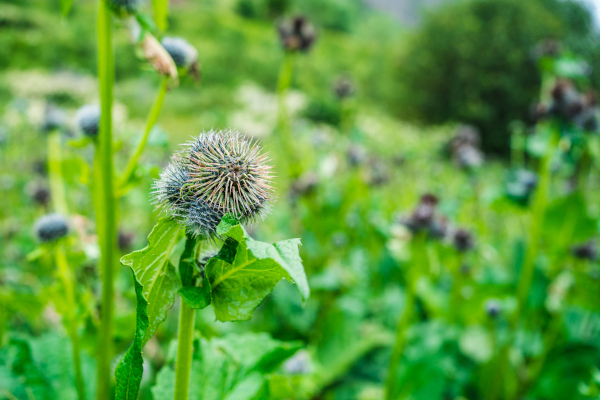
Kustha is one of the important aromatic roots described in Ayurveda. Known in English as Costus, it is traditionally identified with Saussurea costus and also appears in older Ayurvedic botanical references as Saussurea lappa. The Ayurvedic Pharmacopoeia of India identifies Kustha as the dried root of Saussurea lappa C.B. Clarke, a tall perennial herb with thick roots found in Kashmir at high Himalayan altitudes
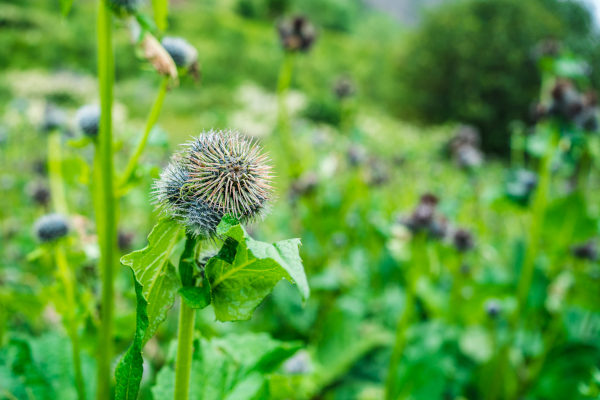
Kustha must also be understood with ecological responsibility. Modern conservation literature describes Saussurea costus as a threatened Himalayan medicinal plant listed under CITES Appendix I and classified as Critically Endangered on the IUCN Red List. Wild collection is restricted in India, and cultivation and trade require proper permission.
Botanical Identity
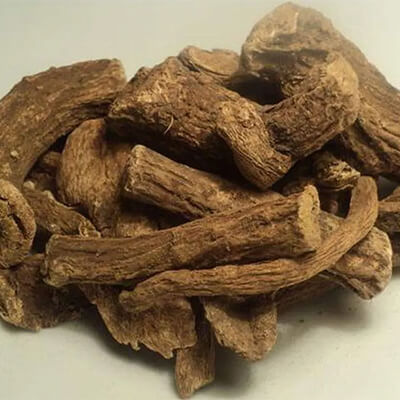
The plant belongs to the Asteraceae / Compositae family. The medicinal part is the root, which is thick, stout, greyish to dull brown, aromatic and resinous. The Ayurvedic Pharmacopoeia describes the roots as fusiform to cylindrical, usually 7–15 cm long and 1–5.5 cm broad, with a strong aromatic odour and slightly bitter taste.
The name has appeared in different botanical forms over time, including Saussurea lappa and Saussurea costus. Kew’s Plants of the World Online lists Saussurea costus as an accepted botanical name, while many Ayurvedic and older medicinal references continue to use Saussurea lappa.
Common Indian names include Kuth, Kutha, Kottam, Goshtam, Koshtam, Changal Kustha, and Qust. In Sanskrit, Kustha is also associated with names such as Amaya and Pakala in the Ayurvedic Pharmacopoeia.
Ayurvedic Nature of Kustha
Ayurveda understands every medicinal substance through rasa, guna, virya, vipaka and karma. Kustha is a sharp, aromatic and warming herb that works strongly on vata and kapha.
Rasa: Katu and Tikta — pungent and bitter
Guna: Laghu — light
Virya: Ushna — heating potency
Vipaka: Katu — pungent post-digestive effect
Dosha action: Balances kapha and vata
Main karma: Kaphavatajit, raktashodhaka, varnya and shukrala
The Ayurvedic Pharmacopoeia lists Kustha’s actions as kaphavatajit, raktashodhaka, varnya and shukrala, and mentions its traditional therapeutic use in shvasa, kasa, kushtha, vatarakta and visarpa.
Kustha and the Respiratory System
One of the most important traditional uses of Kustha is in respiratory conditions. Ayurveda connects it with shvasa and kasa, which broadly relate to breathing difficulty and cough. Its warming, aromatic and kapha-reducing qualities make it useful in conditions where coldness, heaviness and mucus accumulation dominate.
Kustha’s strong fragrance shows its prabhava on the prana channels. In traditional practice, aromatic herbs support the movement of prana, clear kapha from the chest and help reduce stagnation. Kustha is therefore seen as a powerful herb for kapha-vata imbalance affecting the chest, throat and breathing passages.
It is traditionally used in formulations rather than casual household remedies. This is important because Kustha is a strong root, and its medicinal use requires correct dose, source and guidance.
Kustha for Skin and Blood Purification
The name Kustha also creates an interesting connection with kushtha roga, the broad Ayurvedic category of skin disorders. The herb Kustha is traditionally valued as raktashodhaka, meaning supportive of blood purification, and varnya, meaning supportive of complexion and skin quality.
Ayurveda sees many skin conditions through the combined disturbance of dosha, rakta, agni and srotas. Kustha’s bitter-pungent taste, heating potency and kapha-vata balancing nature make it suitable in selected conditions where stagnation, itching, thickening, sluggish circulation or impurity of rakta is considered dominant.
Its use in skin conditions should be guided by a qualified Ayurvedic physician, because heating herbs may not suit every skin disorder. Conditions dominated by burning, redness, bleeding or strong pitta may require a different approach.
Kustha in Vata-Kapha Disorders
Kustha is especially valued when vata and kapha combine. Vata creates movement, dryness, pain and irregularity. Kapha creates heaviness, coldness, mucus, stagnation and swelling. When both are disturbed together, the body may show stiffness, heaviness, congestion, pain, sluggish metabolism and obstruction.
Kustha’s ushna virya brings warmth. Its laghu guna reduces heaviness. Its katu-tikta rasa cuts through kapha and helps move vata in the proper direction. This makes it useful in traditional formulations for disorders where cold, stiffness, obstruction and kapha accumulation are involved.
Kustha and Vatarakta
The Ayurvedic Pharmacopoeia lists vatarakta among the traditional therapeutic uses of Kustha. Vatarakta is a complex Ayurvedic condition involving vata and rakta, often discussed in relation to pain, inflammation, discoloration and deeper metabolic imbalance.
Kustha’s role here must be understood carefully. It is not a casual remedy for joint pain or gout-like conditions. It is traditionally used as part of a wider Ayurvedic plan that may include diet correction, purification, internal medicines, external oils, lifestyle regulation and attention to agni.
Kustha in External Therapies
Kustha is also important in medicated oils and external preparations. Its strong aroma, warming quality and vata-kapha balancing action make it suitable in taila preparations used for massage, stiffness, pain and skin applications. The Ayurvedic Pharmacopoeia lists Kottamchukkadi Taila among the important formulations associated with Kustha.
Kottamchukkadi Taila is widely known in Kerala Ayurveda and traditional practice for vata-kapha conditions affecting muscles, joints and body channels. Kustha contributes its aromatic, warming and channel-opening quality to such preparations.
Classical and Manuscript Connection
Kustha represents the old Himalayan link in Ayurveda. Many Indian medicinal manuscripts gave special importance to roots gathered from mountain regions, because high-altitude herbs were understood to carry concentrated potency. Kustha’s strong fragrance, resin content and warming nature made it a valuable ingredient in internal and external formulations.
In classical medicine, Kustha appears not merely as a plant but as a substance of depth: aromatic, sharp, warming and capable of entering obstructed channels. The Ayurvedic Pharmacopoeia preserves this classical identity by documenting its root morphology, properties, actions, constituents, formulations, therapeutic uses and dosage standards.
This journey from mountain ecology to palm-leaf manuscripts, vaidya practice, pharmacopoeial standards and modern conservation law shows the complete life of an Ayurvedic herb. Kustha is medicine, heritage and ecological responsibility at the same time.
Classical Recipe: Madyadi Takra from Charaka Chikitsa Sthana
A traditional recipe associated with Kustha is Madyadi Takra, or seasoned buttermilk, mentioned with reference to Charaka Chikitsa Sthana 13/105. It belongs to the category of Pana, meaning a drinkable preparation. This formulation uses Takra as the main base and combines it with Madhu, Tila Taila, Vacha, Shunthi, Satavha, Kustha and Saindhava Lavana. The ingredients are ground into a fine powder and mixed thoroughly with buttermilk. The preparation is described as ushna in potency, katu, amla and madhura in taste profile, with ruksha and laghu qualities. Traditionally, it is indicated as beneficial in Plihodara, which refers to enlargement of the spleen or spleen-related abdominal disorder in Ayurvedic understanding.
Madyadi Takra: Ingredients and Preparation
The recipe uses Takra or buttermilk as the main ingredient in one part. To this, Madhu or honey, Tila Taila or sesame oil, Vacha or Acorus calamus rhizome, Shunthi or dry ginger rhizome, Satavha or fennel fruit, Kustha or costus root, and Saindhava Lavana or rock salt are added in suitable quantity. All the powdered ingredients are finely ground and mixed well with the buttermilk to prepare the drink.
This formulation is significant because it shows how Kustha was traditionally used not only as an isolated medicinal root but also as part of a carefully balanced digestive and channel-clearing preparation. Takra supports digestion and grahani function, Shunthi and Saindhava kindle agni, Satavha supports vata movement, Vacha and Kustha help clear kapha-vata obstruction, while honey and sesame oil add yogavahi and strengthening qualities when used properly. The combination reflects the classical Ayurvedic method of using sharp, aromatic and warming herbs in a liquid medium to reach deeper abdominal and metabolic channels.
Manuscript and Classical Reference Note
The recipe is attributed to the Charaka Samhita, Chikitsa Sthana, chapter 13, verse 105, one of the most authoritative sources in classical Ayurveda. Chikitsa Sthana is the therapeutic section of the Charaka tradition, where diseases, formulations, dietetic preparations and clinical approaches are described in detail. The presence of Kustha in Madyadi Takra shows its respected place in classical medicine as an aromatic, warming and kapha-vata balancing root. Such recipes also reveal the practical genius of Ayurvedic manuscripts: medicine was not limited to tablets or decoctions, but included food-based and drink-based preparations designed for specific dosha, agni and srotas conditions.
Safety Note
Madyadi Takra contains potent ingredients such as Kustha and Vacha, and it is traditionally linked with a specific clinical condition. It should not be used casually as a daily household drink. People with pregnancy, high pitta, acidity, ulcers, liver conditions, chronic medication use or serious abdominal disease should take guidance from a qualified Ayurvedic physician before using such classical formulations.
Modern View of Saussurea costus
Modern botanical and pharmacological literature recognises Saussurea costus as an important medicinal plant. The Ayurvedic Pharmacopoeia records constituents such as essential oil, the alkaloid saussurine and bitter resin. Scientific reviews have studied the plant for its botanical, chemical and pharmaceutical relevance in traditional medicine. The Journal of Threatened Taxa article on Saussurea costus also cites earlier review literature on its traditional uses, phytochemistry and pharmacology.
The essential oil and resinous nature explain much of its strong aroma and penetrating action. In traditional Ayurveda, however, Kustha is understood not by isolated chemicals alone but through its total profile: taste, potency, post-digestive effect, dosha action, source, formulation and suitability for the patient.
Conservation and Ethical Use
Kustha is one of the Ayurvedic herbs that must be used with conservation awareness. Overharvesting, habitat pressure and high medicinal demand have made the plant vulnerable in the wild. Conservation literature states that Saussurea costus is listed under CITES Appendix I, included in Schedule VI of India’s Wildlife Protection Act, and classified as Critically Endangered on the IUCN Red List. Wild collection is banned in India, while cultivation and marketing require permission.
For modern Ayurvedic practice, this means Kustha should come only from legal, cultivated and authenticated sources. Substitution, adulteration and illegal wild collection harm both medicine and ecology. A powerful herb loses its dharmic value when it is taken without responsibility.
Consumers, practitioners and manufacturers should support ethical sourcing, cultivation-based supply chains and proper quality control. Protecting Kustha is part of protecting Ayurveda itself.
Safe Use and Precautions
Kustha is a potent herb and should not be used casually. The Ayurvedic Pharmacopoeia gives the adult powder dose as 0.2–1.0 g of the drug. This small dose itself shows the strength of the herb.
People with high pitta, burning sensation, ulcers, bleeding disorders, pregnancy, severe heat conditions, liver disease, chronic medication use or complex illness should avoid self-medication. Children, pregnant women and elderly people should use it only under professional guidance. Essential oil or concentrated extracts of Kustha should be handled with greater caution.
Kustha should be used as part of a proper Ayurvedic diagnosis, not as a general supplement.
Conclusion
Kustha is one of Ayurveda’s great aromatic Himalayan roots. It carries the warmth of the mountains, the fragrance of resin, and the strength of a deeply respected medicinal tradition. Ayurveda values it for balancing vata and kapha, supporting the respiratory system, purifying rakta, improving skin quality and contributing to powerful external oil formulations.
At the same time, Kustha teaches a modern lesson. Ancient medicine and ecological responsibility cannot be separated. A herb classified as threatened must be protected, cultivated ethically and used with discipline. Kustha is therefore not only a medicinal root but also a reminder that Ayurveda is a science of balance: balance in the body, balance in the forest, and balance in the way human beings receive gifts from nature.
References
- The Ayurvedic Pharmacopoeia of India, Part I, Volume I. Government of India / Department of AYUSH. Entry on Kustha / Saussurea lappa.
https://www.ayurveda.hu/api/API-Vol-1.pdf - Plants of the World Online, Kew Science. “Dolomiaea costus (Falc.) Kasana & A.K.Pandey.” Includes synonym data for Saussurea costus.
https://powo.science.kew.org/taxon/urn:lsid:ipni.org:names:77210782-1 - Plants of the World Online, Kew Science. “Saussurea costus (Falc.) Lipsch.”
https://powo.science.kew.org/taxon/urn:lsid:ipni.org:names:242185-1 - Kuniyal, C. P., Rawat, Y. S., Oinam, S. S., Kuniyal, J. C., & Vishvakarma, S. C. “Is cultivation of Saussurea costus (Asterales: Asteraceae) sustaining its conservation?” Journal of Threatened Taxa, 2019.
https://threatenedtaxa.org/index.php/JoTT/article/view/3581 - Charaka Samhita, Chikitsa Sthana, Chapter 13. Classical reference for Takra-based preparations in Udara Chikitsa.
https://www.siva.sh/caraka-samhita/chikitsa-sthana/13/101-105 - Recipe source supplied for this article: “03.17 Madyadi Takra (Seasoned Buttermilk), Reference: Charaka Chikitsa Sthana 13/105.” Ingredients listed: Takra, Madhu, Tila Taila, Vacha, Shunthi, Satavha, Kustha and Saindhava Lavana.
- CITES. Convention on International Trade in Endangered Species of Wild Fauna and Flora. Reference for international conservation and trade regulation of threatened species.
https://cites.org - IUCN Red List of Threatened Species. Reference for conservation status of threatened medicinal plants.
https://www.iucnredlist.org
Disclaimer: This article is for educational purposes only and is not medical advice. Ayurvedic herbs, remedies and formulations should be used only with proper guidance from a qualified physician or Ayurvedic practitioner, especially in pregnancy, chronic illness, children, elderly people or when taking medication. Do not self-medicate or replace prescribed treatment based on this information.
You may also like
-
How Much Exercise Is Enough According to Ayurveda?
-
AIIA and 132 ECO Task Force Launch 10,000-Plant Ashwagandha Research Initiative in Delhi’s Aravalli Landscape
-
Dr Reddy’s to Bring India’s First CDSCO-Approved Dengue Vaccine QDENGA to Private Market in 2027
-
The Ayurvedic Approach to Exercise and Physical Activity
-
FSSAI Moves to Reserve ‘Paneer’ Name for Milk-Derived Products
