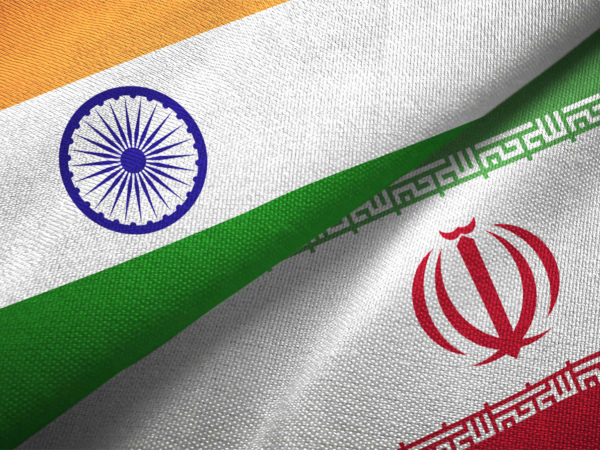
India and Iran have maintained high-level security consultations amid continuing geopolitical tensions in West Asia. National Security Adviser Ajit Doval held a telephone conversation with Dr. Mohsen Rezaei, Secretary of Iran’s Supreme National Security Council, on October 12, 2026, to exchange views on regional and international developments and matters of mutual interest.
The Iranian Embassy in New Delhi confirmed the conversation through an official statement. News on AIR reported the development on October 13, highlighting the continuing diplomatic engagement between the two countries as regional security challenges affect maritime trade, energy supplies and economic stability.
India and Iran Discuss Regional and International Security Developments
The telephone conversation brought together two senior officials responsible for national security coordination in their respective countries. Both sides exchanged perspectives on developments affecting regional and international stability and discussed issues relevant to India–Iran relations.
Iran’s Supreme National Security Council plays a central role in coordinating the country’s national security policies. Its engagement with India’s National Security Adviser provides an important channel for communication between New Delhi and Tehran.
The October 12 discussion took place against the backdrop of heightened security concerns across West Asia. The region has experienced continuing tensions involving Iran, the United States and Israel, alongside threats to commercial shipping and energy transportation.
The conversation reinforced the importance of maintaining direct communication between India and Iran during a period of considerable regional uncertainty.
Maritime Security and the Strait of Hormuz Remain Important to India
Security developments around the Strait of Hormuz have significant implications for India’s economic and strategic interests. The narrow waterway connects the Persian Gulf with the Gulf of Oman and serves as a major international route for transporting crude oil, liquefied natural gas and other commodities.
Disruptions to maritime navigation can affect energy availability, freight charges, insurance costs and international supply chains. India, as a major energy-importing economy, has a strong interest in the safety of commercial shipping and the uninterrupted movement of goods through regional sea routes.
Recent attacks involving commercial vessels have increased concerns about the safety of merchant shipping and Indian seafarers operating in the region.
India has consistently emphasised the importance of protecting civilian shipping, ensuring freedom of navigation and resolving regional disputes through diplomacy.
Safety of Indian Seafarers Gains Importance Amid Maritime Attacks
The security consultations followed reports of attacks on commercial vessels carrying Indian crew members in the Gulf region.
On October 11, the Nicaragua-flagged oil products tanker MT Petro Dolphin, carrying 11 Indian seafarers, came under drone attack near Sohar Anchorage in Oman. Nine crew members were rescued, while two Indian nationals were reported missing.
Another vessel, the Marshall Islands-flagged MT Valthera, carrying 11 Indian crew members, was also struck by a projectile in the Strait of Hormuz. Reports indicated that the Indian crew members aboard that vessel were safe.
These incidents demonstrate the growing importance of maritime safety, emergency coordination and diplomatic engagement for countries whose citizens work aboard international commercial vessels.
Protecting Indian nationals overseas remains a major priority for New Delhi, particularly in regions experiencing armed conflict and disruptions to transportation.
India–Iran Strategic Relations and the Importance of Chabahar Port
India and Iran share longstanding diplomatic, economic and cultural relations. Their cooperation extends to regional connectivity, trade, transportation infrastructure and consultations on security developments in West Asia and Central Asia.
One of the most important elements of this partnership is Chabahar Port in southeastern Iran, which provides India with a strategic maritime connection to Afghanistan and Central Asia.
In May 2024, India Ports Global Limited signed a ten-year agreement with Iran’s Ports and Maritime Organisation for the development and operation of the Shahid Beheshti Terminal at Chabahar.
The project forms part of India’s broader efforts to strengthen regional transport connectivity and develop alternative commercial routes between South Asia, Central Asia and Eurasia.
The Ministry of External Affairs has identified security consultations at the level of National Security Advisers and Deputy National Security Advisers among the established bilateral mechanisms between India and Iran.
India Maintains Diplomatic Engagement Amid West Asian Tensions
India has consistently supported dialogue and diplomacy as essential instruments for addressing instability in West Asia. Its engagement with regional governments reflects the country’s extensive economic relationships, strategic partnerships and responsibility towards Indian citizens living and working overseas.
West Asia remains important to India’s energy security, international trade and commercial connectivity. The region also hosts a substantial Indian expatriate population, making regional stability a major concern for Indian foreign policy.
The October 12 conversation between Ajit Doval and Mohsen Rezaei forms part of the continuing communication between the two countries on developments affecting their shared interests.
The engagement also demonstrates the value of established diplomatic and security channels in maintaining cooperation during periods of regional tension.
India and Iran Continue High-Level Security Dialogue
The latest consultation reinforces the longstanding relationship between India and Iran and their interest in maintaining communication on regional and international developments.
As the security situation in West Asia continues to evolve, dialogue between senior national security officials provides an important mechanism for exchanging perspectives and sustaining bilateral engagement.
The October 12 discussion represents another step in India’s continuing diplomatic engagement with Iran, supporting communication, regional stability and cooperation on matters of mutual interest.
References
- Embassy of the Islamic Republic of Iran in India — Official statement on the telephone conversation between Dr. Mohsen Rezaei and Ajit Doval, October 12, 2026.
X: https://x.com/Iran_in_India - News on AIR — India, Iran Hold Talks Between Top Security Officials, October 13, 2026.
https://newsonair.gov.in/india-iran-hold-talks-between-top-security-officials/ - Ministry of External Affairs, Government of India — India–Iran Bilateral Relations, January 2025.
https://www.mea.gov.in/Portal/ForeignRelation/India-Iran-Jan-2025.pdf - Ministry of External Affairs, Government of India — Joint Press Statement by External Affairs Minister Dr. S. Jaishankar with the Minister of Foreign Affairs of Iran, January 2024.
https://www.mea.gov.in - Tasnim News Agency — Top Iranian, Indian Security Officials Discuss Regional Developments, October 13, 2026.
https://www.tasnimnews.ir/en/news/2026/10/13/3721694/top-iranian-indian-security-officials-discuss-regional-developments
You may also like
-
India Expands Diplomatic Presence in Central America with New Embassy in Costa Rica
-
India and Czech Republic Agree to Expand Defence Industrial Cooperation During Rajnath Singh–Karel Havlíček Talks
-
UK Announces Over £1 Billion in New Commercial Deals with India
-
India Emerges as a Global Hub for Multinational Military Exercises, Bridging Diverse Defence Partnerships
-
India, Brazil and South Africa Strengthen Maritime Security Cooperation Through IBSAMAR IX Naval Exercise
