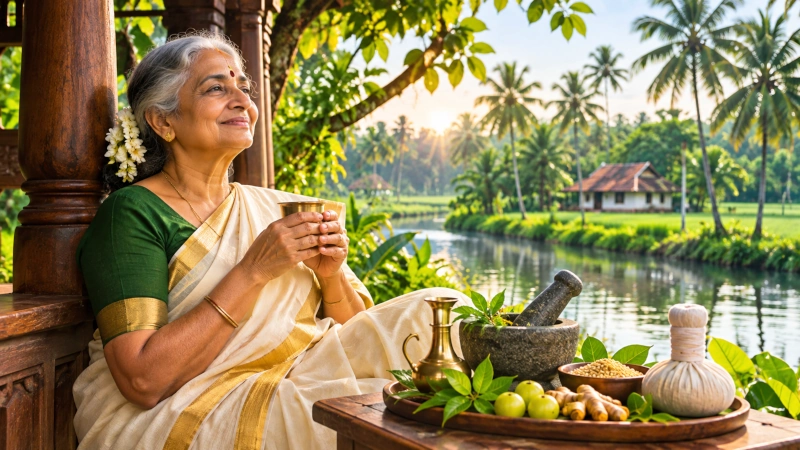
Ageing is a natural and inevitable stage of human life, bringing gradual changes in physical strength, digestion, mobility, sleep and mental resilience. While growing older is often associated with declining vitality, Ayurveda approaches ageing as a transition that can be supported through appropriate food, regular routines, gentle physical activity and emotional balance. Rather than concentrating exclusively on extending the number of years a person lives, the traditional system emphasises maintaining health, independence and quality of life throughout the ageing process.
The Ayurvedic understanding of longevity extends beyond medicines and rejuvenation therapies. It places considerable importance on everyday habits that support digestion, preserve physical capabilities, encourage restful sleep and maintain mental well-being. These principles are particularly relevant in contemporary society, where sedentary lifestyles, irregular eating patterns, chronic stress and disrupted sleep can influence health long before old age begins.
Healthy ageing, from this perspective, is not an attempt to prevent the passage of time. It is the practice of adapting one’s lifestyle to changing physical and mental requirements while preserving the capacity to participate meaningfully in family, community and personal activities.
Understanding Ageing Through Ayurveda
Ayurveda traditionally divides human life into three broad stages associated with the predominance of the doshas: Kapha during childhood, Pitta during adulthood and Vata during later life. These classifications describe traditional patterns of physiological development and change rather than scientifically established biological divisions.
The later stage of life, known as Vriddhavastha, is associated with increased Vata characteristics. In Ayurvedic theory, Vata governs movement, nervous activity, circulation and several other bodily functions. Its qualities include dryness, lightness, coldness and mobility, which classical descriptions associate with some of the changes commonly observed during ageing.
These changes may include dryness of the skin, reduced flexibility, irregular digestion, disturbed sleep and diminished physical endurance. Ayurveda interprets such developments through its traditional framework of dosha balance and tissue nourishment, while modern medicine explains them through physiological changes involving metabolism, musculoskeletal function, hormones, the nervous system and other biological processes.
The Ayurvedic response emphasises stability, nourishment, warmth and regularity. Consistent mealtimes, appropriate physical activity, adequate rest and a supportive daily environment form the foundation of its recommendations for older individuals.
An important feature of this approach is individualisation. Ayurveda recognises that ageing does not affect everyone in the same manner and that lifestyle practices should be adjusted according to personal constitution, digestive capacity, physical strength, existing health conditions and environmental circumstances.
Dinacharya: Establishing a Stable Daily Routine
Dinacharya, the Ayurvedic concept of daily routine, becomes particularly relevant during later life because regular habits provide structure and predictability. Consistent waking times, meals, physical activity and sleep can help older individuals maintain healthy behavioural rhythms and organise daily activities around their changing energy levels.
The morning routine traditionally begins with waking at a suitable hour, attending to personal hygiene and allowing sufficient time for natural bodily functions. Older adults benefit from approaching these activities without unnecessary haste, particularly when stiffness, reduced mobility or balance difficulties make sudden movements uncomfortable.
Oral hygiene, bathing and gentle movement can be incorporated into a calm morning schedule. Regular dental care is especially important in later life because oral health influences chewing, nutritional intake and overall well-being. Traditional practices may be retained where appropriate, but they should complement rather than replace established dental hygiene measures.
A daily routine should also include opportunities for sunlight exposure, social interaction, purposeful activity and relaxation. Spending some time outdoors during suitable weather can encourage movement and help maintain a regular sleep–wake pattern, while participation in familiar activities provides continuity and a sense of independence.
Ayurveda’s emphasis on routine does not require older individuals to follow rigid schedules. The objective is to establish a sustainable pattern that accommodates personal preferences, medical requirements and changing physical capabilities without introducing unnecessary strain.
Ahara: Nourishing the Ageing Body Through Food
Food occupies a central position in Ayurveda’s approach to healthy living. The classical concept of Ahara treats nourishment as an essential component of maintaining bodily strength, supporting digestion and preserving functional capabilities.
As people grow older, their nutritional requirements may change because of reduced appetite, altered taste perception, dental difficulties, decreased physical activity or medical conditions affecting digestion and metabolism. Maintaining adequate nutrition becomes particularly important for preserving muscle mass, bone health, immune function and general physical resilience.
Ayurveda traditionally recommends warm, freshly prepared and easily digestible meals for older individuals, particularly when appetite is reduced or digestion is uncomfortable. Foods such as cooked rice, wheat preparations, green gram, vegetable soups, lightly cooked vegetables and nourishing porridges can be incorporated into daily meals according to individual tolerance.
However, easily digestible food should not be confused with nutritionally inadequate food. Older adults require sufficient protein, dietary fibre, vitamins, minerals and energy to maintain physical health. Pulses, dairy products where tolerated, nuts, seeds and other suitable protein sources can form part of a balanced diet, depending on personal dietary preferences and medical needs.
Healthy fats also contribute to nutrition and can improve the palatability of meals. Ayurveda commonly discusses the use of ghee and other dietary fats, but their quantities should reflect individual energy requirements and conditions such as cardiovascular disease or abnormal blood lipid levels.
Regular mealtimes and comfortable portion sizes can help people maintain adequate food intake. Those experiencing persistent appetite loss, unintentional weight loss, swallowing difficulties or significant digestive problems should seek medical assessment rather than attempting to manage these changes through dietary adjustments alone.
Agni and Digestion During Later Life
In Ayurvedic theory, Agni represents the body’s digestive and transformative capacity. The concept extends beyond the physical process of digestion to describe the traditional understanding of how food is processed and used to nourish bodily tissues.
Ayurveda associates irregular digestion with disturbed Vata and recommends dietary practices intended to encourage stability and digestive comfort. Eating at reasonably consistent times, avoiding excessive portions and selecting foods that are comfortable to digest are among the practical measures associated with this approach.
Older individuals may experience constipation, abdominal discomfort or changes in bowel habits because of reduced mobility, inadequate fluid intake, medication effects or underlying medical conditions. Adequate hydration, appropriate dietary fibre and regular movement are important measures for supporting normal bowel function.
Warm meals and cooked vegetables may be more comfortable for some individuals, while others tolerate raw fruits, salads and whole grains without difficulty. The appropriate diet should therefore reflect digestive tolerance rather than imposing unnecessary restrictions on nutritious foods.
Ayurveda also discourages eating in a hurried or emotionally disturbed state. Taking sufficient time to chew food, sitting comfortably during meals and maintaining a pleasant eating environment can make eating more enjoyable, particularly for older adults who have reduced appetite or dental difficulties.
Persistent constipation, abdominal pain, bleeding, vomiting or unexplained changes in bowel habits require professional medical evaluation. These symptoms should not automatically be attributed to ageing or interpreted solely through the Ayurvedic concept of digestive imbalance.
Abhyanga: The Traditional Practice of Oil Massage
Abhyanga, or the application of oil to the body through gentle massage, is a familiar component of Ayurvedic daily care. Classical texts associate oil application with the management of Vata characteristics, particularly dryness and stiffness.
During later life, gentle massage may provide a sense of comfort and relaxation while encouraging awareness of the body’s changing physical needs. Warm oil is traditionally applied using smooth movements, with particular attention given to areas such as the arms, legs and feet.
Sesame oil is commonly used in Ayurvedic practice, although the choice of oil should depend on skin tolerance, climate and individual preferences. A small amount of oil can be applied to moisturise dry skin, and massage should remain gentle rather than involving forceful pressure.
For older adults, safety is especially important. Massage may be unsuitable over wounds, inflamed skin, painful swollen joints or areas affected by certain vascular conditions. Individuals taking anticoagulant medicines or experiencing fragile skin should seek appropriate advice before undergoing intensive massage.
Oil application should also be undertaken with precautions against slipping, particularly in bathrooms and on tiled floors. The practice is best understood as a traditional comfort and self-care measure rather than a treatment proven to reverse ageing or restore damaged joints.
Gentle Exercise for Strength, Mobility and Balance
Physical activity remains essential throughout life, but its form and intensity should evolve according to individual capabilities. Ayurveda traditionally recommends Vyayama, or physical exercise, while emphasising that exertion should remain proportionate to personal strength and endurance.
For older individuals, walking, gentle stretching, controlled mobility exercises and suitable forms of yoga can help maintain movement and encourage regular physical activity. These practices may also support emotional well-being by providing opportunities to spend time outdoors and engage in familiar activities.
Modern health guidance places particular emphasis on preserving muscle strength and balance because both are important for maintaining independence and preventing falls. Older adults benefit from activities that strengthen major muscle groups, improve coordination and support safe movement during everyday tasks.
The World Health Organization recommends that adults aged 65 and above aim for 150–300 minutes of moderate-intensity aerobic activity each week, where their health permits. It also recommends muscle-strengthening activities at least twice weekly and exercises emphasising balance and functional strength on three or more days each week.
For someone who has been physically inactive, beginning with a few minutes of comfortable movement and gradually increasing activity may be more appropriate than attempting a demanding exercise routine immediately. People with significant mobility limitations, recent falls or serious medical conditions may benefit from an exercise programme designed by a qualified healthcare professional.
The important principle is consistency rather than intensity. Regular, manageable movement can help older individuals preserve functional capabilities and remain engaged in daily life without placing unnecessary strain on the body.
Yoga and Pranayama for Physical and Mental Well-Being
Yoga occupies an important position in the wider Indian tradition of maintaining physical and mental balance. In later life, appropriately adapted yoga practices may provide opportunities to improve flexibility, body awareness, balance and relaxation.
Gentle movements performed while sitting or standing with suitable support can be useful for individuals who find conventional floor-based exercises difficult. Chair-supported movements, comfortable spinal mobility exercises and simple stretching routines may allow older adults to participate without excessive physical demands.
Breathing practices, traditionally known as Pranayama, are also incorporated into many Ayurvedic lifestyle recommendations. Slow, comfortable breathing can be used as a relaxation practice, particularly when accompanied by a calm environment and regular periods of rest.
Practices such as gentle Nadi Shodhana, performed without prolonged breath retention, may be suitable for some individuals. However, forceful breathing techniques, extended breath-holding and physically demanding postures may be inappropriate for people with certain cardiovascular, respiratory or neurological conditions.
Yoga should not become a test of flexibility or physical endurance. Its value in healthy ageing lies in offering adaptable practices that encourage comfortable movement, relaxation and awareness of the body’s capabilities.
Nidra: Protecting Sleep and Rest
Nidra, or sleep, is considered one of the three major supporting pillars of life in Ayurveda, alongside food and regulated living. The tradition recognises sleep as essential for maintaining physical strength, mental clarity and overall well-being.
Ageing is often accompanied by changes in sleep patterns, including earlier waking times, lighter sleep and more frequent nighttime awakenings. However, persistent poor sleep should not be dismissed as an unavoidable consequence of growing older.
Maintaining a consistent bedtime and waking time can help support regular sleep patterns. Exposure to daylight during the morning, appropriate daytime activity and a comfortable sleeping environment may also contribute to improved sleep quality.
Ayurveda traditionally encourages calming evening habits and discourages heavy meals immediately before bedtime. A quiet period before sleep, reduced exposure to stimulating activities and gentle relaxation practices can help establish a predictable transition from daytime activity to rest.
Although brief daytime rest may be appropriate for some older individuals, prolonged or late-afternoon naps can interfere with nighttime sleep. Rest periods should therefore be adjusted according to personal needs and existing sleep difficulties.
Persistent insomnia, excessive daytime sleepiness, loud snoring or repeated nighttime breathing disturbances require medical assessment. These problems may indicate treatable sleep disorders or other health conditions rather than ordinary age-related changes.
Rasayana: Ayurveda’s Traditional Approach to Longevity
Rasayana is one of the major branches of classical Ayurveda and is traditionally concerned with rejuvenation, nourishment and the preservation of vitality. Its teachings encompass dietary practices, daily routines, behavioural conduct and medicinal preparations intended to support health during different stages of life.
The classical concept should not be understood merely as the consumption of herbs or tonics. Rasayana also includes lifestyle principles that encourage appropriate food, sufficient rest, emotional stability and disciplined personal conduct.
Achara Rasayana, the behavioural dimension of this tradition, places emphasis on qualities such as truthfulness, moderation, compassion, emotional restraint and respectful social relationships. These principles reflect the traditional understanding that mental and social well-being are inseparable from physical health.
Certain plants and formulations, including Amalaki and other classical Rasayana preparations, have historically been associated with healthy ageing. However, the evidence supporting specific anti-ageing claims remains variable, and traditional use does not establish that a product can extend human lifespan or prevent age-related diseases.
Older adults should be particularly cautious about self-prescribing herbal preparations because physiological changes, chronic diseases and prescription medications can influence their safety. Some products may interact with medicines or contain ingredients unsuitable for individuals with kidney, liver or other medical conditions.
Rasayana is therefore best approached through its broader emphasis on sustainable lifestyle practices, with medicinal interventions considered only after appropriate professional evaluation.
Mental Well-Being and Emotional Resilience
Healthy ageing involves more than maintaining physical strength. Emotional well-being, meaningful relationships and a sense of purpose contribute significantly to quality of life during later years.
Ayurveda recognises the close relationship between mental and physical health through its traditional understanding of Manas, the mind, and its interactions with bodily functions. Emotional disturbances, excessive worry and prolonged mental strain are considered factors that can influence overall well-being.
Retirement, bereavement, changes in family responsibilities and declining physical capabilities can create emotional challenges for older individuals. Maintaining social connections and participating in activities that provide enjoyment or purpose can help reduce feelings of isolation.
Reading, gardening, music, traditional arts, volunteering and spending time with family members are examples of activities that may encourage mental engagement. Learning new skills and maintaining familiar interests can also provide opportunities for continued personal development.
Meditation and quiet reflection may be useful components of a daily routine for individuals who find them comfortable and meaningful. Such practices should remain voluntary and adaptable rather than becoming additional obligations.
Persistent sadness, anxiety, memory difficulties or withdrawal from previously enjoyed activities deserve attention. These experiences should not automatically be regarded as normal ageing, and appropriate professional support can help identify underlying causes and suitable interventions.
Ritucharya: Adapting Lifestyle to Seasonal Changes
Ritucharya, the Ayurvedic concept of seasonal routine, emphasises adjusting food, clothing, physical activity and daily habits according to environmental conditions. This principle is especially relevant to older individuals, whose ability to tolerate extreme temperatures may be reduced.
During colder weather, maintaining comfortable warmth, wearing suitable clothing and choosing nourishing meals can help protect against discomfort. Gentle indoor movement may be useful when outdoor conditions make walking difficult or unsafe.
Hot weather requires particular attention to hydration, ventilation and the avoidance of excessive physical exertion during the hottest periods of the day. Older individuals may be more vulnerable to dehydration and heat-related illness, especially when taking medicines that affect fluid balance.
During the monsoon, slippery surfaces, damp environments and reduced opportunities for outdoor activity can present additional difficulties. Ensuring adequate footwear, maintaining dry walking areas and continuing suitable indoor exercises can help preserve mobility while reducing avoidable hazards.
Seasonal adaptation also includes considering changes in appetite, sleep and daily activity. Ayurveda’s traditional framework encourages individuals to observe these variations and make reasonable adjustments rather than maintaining an identical routine regardless of environmental conditions.
The objective is to create a comfortable and sustainable lifestyle that responds to changing circumstances while maintaining regular nourishment, movement and rest.
Maintaining Independence and Functional Strength
One of the most important goals of healthy ageing is preserving the ability to perform everyday activities independently for as long as possible. Tasks such as walking, bathing, dressing, cooking and maintaining social relationships contribute to personal dignity and quality of life.
Ayurveda’s emphasis on appropriate activity and regular routines can be understood within this broader objective. Gentle movement, adequate nourishment and sufficient rest help create conditions in which older adults can remain engaged in familiar responsibilities.
However, maintaining independence also requires attention to practical safety measures. Good lighting, secure footwear, accessible bathrooms and the removal of household tripping hazards can reduce the likelihood of falls and injuries.
Vision and hearing assessments are important because sensory difficulties may affect communication, mobility and participation in daily activities. Appropriate dental care, medication reviews and preventive healthcare consultations also contribute to maintaining functional abilities.
Older individuals living with chronic conditions such as diabetes, hypertension, arthritis or cardiovascular disease should continue prescribed treatment and regular medical monitoring. Ayurvedic lifestyle practices may be incorporated where appropriate, but they should complement established healthcare rather than replace necessary treatment.
Healthy ageing is ultimately supported by the combination of suitable personal habits, accessible healthcare, supportive relationships and environments that allow older people to remain active participants in everyday life.
Ageing Gracefully Through Balance and Regularity
Ayurveda presents ageing as a natural stage of life that calls for thoughtful adaptation rather than resistance to biological change. Its traditional teachings emphasise the importance of recognising changing physical capacities and adjusting daily habits to preserve comfort, strength and mental well-being.
The practical foundations of this approach are relatively simple: regular meals, nourishing food, comfortable movement, adequate sleep, emotional balance and routines adapted to the individual. These practices can be maintained without elaborate treatments or expensive products, making them accessible across different living circumstances.
The classical ideas of Dinacharya, Ahara, Nidra, Ritucharya and Rasayana provide a framework for understanding how daily behaviour contributes to long-term well-being. Their traditional explanations belong to Ayurveda’s own medical philosophy, while the benefits of individual practices should also be considered in light of contemporary scientific evidence.
Longevity is not measured solely by the number of years lived. The ability to maintain independence, cultivate meaningful relationships, participate in enjoyable activities and experience physical and emotional well-being gives those years their greater significance.
Ayurveda’s enduring message on healthy ageing is that care for later life begins long before old age arrives. By developing sustainable habits, respecting the body’s changing needs and maintaining a balanced relationship with food, activity, rest and the surrounding environment, individuals can work towards an older age characterised by dignity, resilience and continued participation in life.
You may also like
-
Ayurveda for Working Professionals: Building a Sustainable Daily Rhythm
-
India’s Lupin Launches Generic HIV Medicine in US Market with 180-Day Exclusivity Eligibility
-
Ayurveda for Students: Sleep, Food, Memory and Daily Routine
-
Centre Proposes Mandatory Qualified-Personnel Approval for Pharmaceutical Batch Release
-
Thyrocare Launches Pregnancy Testing Kit Combining Home Screening with Laboratory Confirmation
