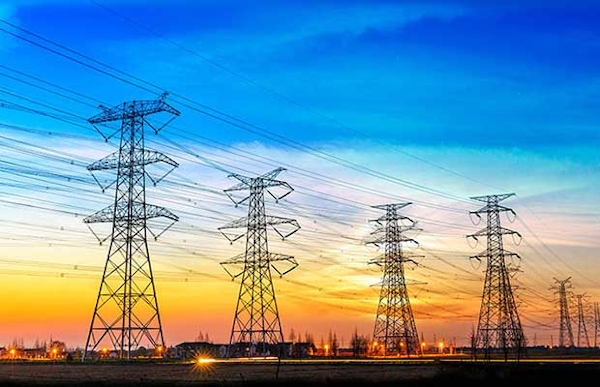
India is looking at a massive expansion of its power transmission network, with investment of about ₹9 trillion expected through 2032 as the country strengthens the grid for rising electricity demand and large-scale renewable energy integration. The transmission and distribution value chain remains supported by a strong capex pipeline, even though sector-level ordering slowed in FY26. Officially, the National Electricity Plan (Transmission) also pegs the opportunity at more than ₹9.15 lakh crore till 2032.
The broader push is being driven by India’s long-term energy transition goals. The Power Ministry’s October 2024 release on the National Electricity Plan said the transmission system is being prepared to support 500 GW of renewable energy capacity by 2030 and over 600 GW by 2032. The plan includes more than 1,91,000 circuit km of new transmission lines, 1,270 GVA of transformation capacity, and 33 GW of HVDC bipole links over the 2022-23 to 2031-32 period.
The same official plan says inter-regional transmission capacity is to rise from 119 GW at present to 143 GW by 2027 and then to 168 GW by 2032. It also takes into account major storage additions, including 47 GW of battery energy storage systems and 31 GW of pumped storage plants, along with power evacuation for green hydrogen and green ammonia hubs at coastal locations such as Mundra, Kandla, Gopalpur, Paradip, Tuticorin, Vizag and Mangalore.
Against that long-term backdrop, the report highlighted a temporary near-term slowdown in execution activity. Only 16 schemes were awarded in FY26 versus 45 in FY25, attributing the weakness to temporary bandwidth constraints rather than any structural fall in demand. It was because the domestic manufacturers are operating at high capacity utilisation and increasingly focusing on higher-voltage transformers, which involve longer manufacturing and testing cycles.
Even so, the outlook for the sector remains positive because demand is coming from both domestic and export markets. The transformer supply has struggled to keep pace, while demand in the US and Europe has been rising sharply due to renewable integration, data-centre expansion, industrial electrification, EV charging infrastructure and the replacement of ageing networks. That, in turn, is creating export opportunities for Indian manufacturers as part of global OEM supply chains.
India has a 32.3 GW HVDC pipeline, of which around 14.5 GW has already been tendered and awarded, with expectations of one to two HVDC awards a year going forward. Taken together, the official plan and industry commentary suggest that India’s transmission sector is entering a prolonged investment cycle in which grid expansion becomes just as important as generation growth.
Reference:
https://www.pib.gov.in/PressReleasePage.aspx?PRID=2064751
https://www.powermin.gov.in/en/content/national-electricity-plan-0
https://www.ibef.org/news/india-to-spend-over-rs-9-trillion-us-107-89-billion-on-power-transmission-infra-by-2032-govt
You may also like
-
PM Dhan-Dhaanya Krishi Yojana Completes One Year: Gaya, Nagaur and Umaria Emerge as Best-Performing Districts
-
Political Protests in India: Economic Losses, Export Disruptions and the Impact on Investor Confidence
-
Jeeraphool Rice of Chhattisgarh — Surguja’s Fragrant Cumin-Shaped Heritage Grain
-
India’s E-Commerce Platforms Record ₹24,000 Crore Festive Sales in Two Days as Meesho Reports 75% Surge in Orders
-
India’s Economic Warfare Challenge: Strategic Autonomy, Energy Security and the Rise of a Global Power
