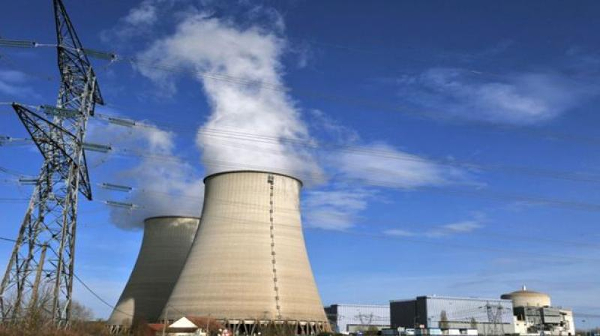
India is preparing for a dramatic expansion of its nuclear power sector, with a target to raise installed nuclear capacity from the current 8.8 GW to 100 GW by 2047, according to Central Electricity Authority Chairperson Ghanshyam Prasad. The goal points to more than a ten-fold increase and reflects the scale of ambition now shaping the country’s long-term power planning. NPCIL’s latest plant data shows India’s current installed nuclear capacity at 8,780 MW, underlining how large the planned expansion really is.
The push comes as India looks for reliable low-carbon baseload power to support rising electricity demand over the next two decades. According to the Union government’s implementation report on budget announcements, the development of at least 100 GW of nuclear energy by 2047 is considered essential for India’s energy transition, and a formal roadmap for reaching that level has already been prepared and circulated for stakeholder discussions.
The expansion is also tied to policy changes meant to open the sector beyond its traditional structure. The budget implementation document says amendments to the Atomic Energy Act and the Civil Liability for Nuclear Damage Act are being pursued to enable greater private-sector participation. It also notes that a broader nuclear ecosystem is being developed around generation, manufacturing, financing, regulation and skilled manpower.
That reform direction is reinforced by the Economic Survey 2025–26, which says India adopted the SHANTI Act in December 2025 as a landmark step in overhauling the nuclear legal framework. The survey says the law enables private sector and state government participation in key areas including plant operations, power generation, equipment manufacturing, and research and innovation, while retaining compensation safeguards within a revised liability framework.
The nuclear plan is also being linked with new technology development. The government’s implementation report states that a Nuclear Energy Mission for research and development of Small Modular Reactors has been proposed with an outlay of ₹20,000 crore, with at least five indigenously developed SMRs targeted for operationalisation by 2033. That suggests India’s nuclear strategy is being designed not only around large conventional reactors, but also around future reactor formats that could offer greater siting flexibility and modular deployment.
Taken together, the latest statements indicate that India’s nuclear programme is moving into a new phase—one driven by scale, legal reform, domestic manufacturing and long-term energy security. The immediate challenge will be execution: financing, regulatory clearances, technology partnerships and project timelines will determine whether the 2047 target remains aspirational or becomes a defining part of India’s clean energy transition.
Reference:
Sources:
https://www.ibef.org/news/india-targets-over-ten-fold-expansion-in-nuclear-power-capacity-to-100-gw-by-2047-says-cea-chairperson-mr-ghanshyam-prasad
https://www.npcil.nic.in/content/302_1_AllPlants.aspx
https://www.indiabudget.gov.in/doc/impbud2025-26.pdf
https://www.indiabudget.gov.in/economicsurvey/doc/eschapter/echap10.pdf
You may also like
-
India’s E-Commerce Platforms Record ₹24,000 Crore Festive Sales in Two Days as Meesho Reports 75% Surge in Orders
-
India’s Economic Warfare Challenge: Strategic Autonomy, Energy Security and the Rise of a Global Power
-
India-US Trade Deal Stalemate: Why Washington’s Tariff Pressure Has Failed to Secure an Agreement
-
US Double Standards in Foreign Policy: 16 Recent Cases Involving India, Russia, China and Global Trade
-
India’s Arctic Energy Ambitions: Russian Oil, LNG and a New Sea Route to Indian Ports
