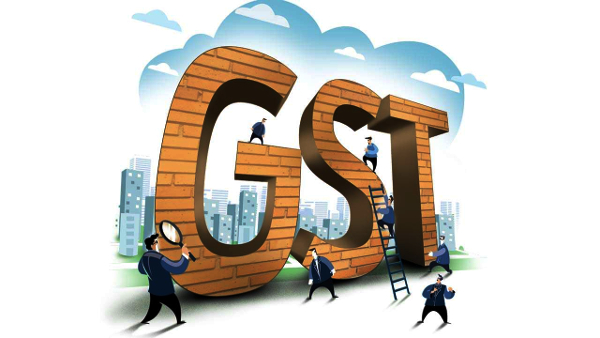
India’s Goods and Services Tax (GST) Council has recommended major reforms to tax enforcement, prosecution and compliance procedures, marking a significant shift towards a simpler and more taxpayer-friendly indirect taxation system. The proposals include removing the statutory arrest powers of GST officers, increasing the monetary threshold for criminal prosecution from ₹1 crore to ₹5 crore and eliminating tax notices involving amounts of ₹10,000 or less.
The decisions were announced following the 57th GST Council meeting held at Bharat Mandapam in New Delhi on October 8, 2026, chaired by Union Finance Minister Nirmala Sitharaman. The meeting focused on reducing compliance costs, simplifying dispute resolution and strengthening trust between taxpayers and tax authorities.
The Council also recommended greater judicial discretion in determining punishment for GST offences. No changes were proposed to the existing GST rate structure, keeping the latest round of reforms focused on administration and enforcement rather than taxation rates.
GST Council Recommends Removing Arrest Powers of Tax Officers
One of the most significant recommendations concerns the removal of arrest provisions currently available to GST authorities under the law.
The existing Central Goods and Services Tax Act, 2017, provides arrest powers in specified cases involving serious tax offences. These provisions form part of the enforcement framework intended to address fraudulent transactions, deliberate tax evasion and other violations.
The Council’s recommendation seeks to change this approach by reducing the use of criminal enforcement and placing greater emphasis on financial recovery, interest and proportionate penalties.
Under the proposed framework, taxpayers who file returns late, make procedural mistakes or fall behind on payments would face appropriate civil consequences rather than automatic exposure to criminal proceedings merely because of those failures.
The distinction between ordinary compliance failures and deliberate fraud is important for businesses, particularly smaller enterprises that may encounter accounting errors, documentation problems or delays in meeting statutory obligations.
The recommendation does not itself repeal existing arrest provisions. Changes requiring amendments to the CGST Act and corresponding state legislation must complete the applicable legislative process before taking effect.
Criminal Prosecution Threshold Proposed to Increase to ₹5 Crore
The GST Council has recommended raising the monetary threshold for criminal prosecution from ₹1 crore to ₹5 crore.
The change is intended to reduce the number of tax-related disputes entering the criminal justice system and allow enforcement agencies to concentrate resources on more serious violations.
Under the existing statutory framework, prosecution provisions apply to specified offences involving different monetary thresholds and penalties. The proposed revision represents an effort to rationalise this framework and reduce criminal exposure in lower-value cases.
The Council also recommended giving courts greater discretion when imposing punishment. Instead of prescribing minimum penalties in every applicable case, the proposed approach would allow judicial authorities to determine whether imprisonment, a fine or a combination of punishments is appropriate.
Such discretion would enable courts to consider the circumstances of individual cases, the nature of the offence and the evidence presented.
The precise application of the revised ₹5 crore threshold, including any exceptions for particular offences, will depend on the final legislative provisions.
Tax Notices Below ₹10,000 to Be Eliminated
Another important recommendation concerns low-value GST notices, which can impose administrative costs on both taxpayers and tax authorities.
Finance Minister Nirmala Sitharaman announced that the Council had recommended a monetary threshold of ₹10,000 for issuing tax notices.
Under the proposal, notices involving amounts of ₹10,000 or less would not be issued. The Council also recommended withdrawing qualifying pending notices falling within the prescribed threshold.
The measure addresses situations in which the cost and time involved in handling a tax dispute may be disproportionate to the amount under consideration.
For small businesses, even relatively minor notices can require professional assistance, documentation reviews and repeated interaction with tax authorities.
Reducing low-value proceedings could allow businesses to devote fewer resources to procedural disputes while enabling tax administrators to focus on matters involving larger financial implications.
The final notification or legislative framework will determine the precise scope of the threshold and the treatment of existing proceedings.
Common Standards Proposed for GST Notices and Proceedings
The Council also recommended establishing common standards governing notices and tax proceedings.
GST is administered through a shared framework involving the Union Government and state governments. Consequently, differences in administrative practices can create uncertainty for businesses operating across multiple jurisdictions.
Standardised procedures can improve consistency in how tax authorities issue notices, request information and conduct proceedings.
The objective is to make compliance requirements more predictable while reducing unnecessary procedural differences.
Greater uniformity is particularly relevant to businesses operating across several states, which must manage registrations, returns, tax credits and other compliance obligations under the GST framework.
Clearer procedures can also improve taxpayers’ understanding of their obligations and the documentation required to resolve disputes.
GST Reforms Aim to Reduce Compliance Costs for MSMEs
Micro, small and medium enterprises are among the businesses expected to benefit from a more proportionate enforcement framework.
Unlike large corporations, smaller enterprises often operate with limited accounting and legal resources. Compliance disputes can impose significant costs even when the underlying tax amounts are relatively modest.
Increasing prosecution thresholds and reducing low-value notices could help address these difficulties.
The government’s wider GST reform agenda also includes simplifying registration, improving invoice matching, streamlining input tax credit procedures and reducing administrative requirements.
Ahead of the October 8 meeting, official reporting identified process reforms, structural improvements, ease of doing business, exports of services and e-commerce as major areas under consideration.
These priorities reflect the growing importance of digital tax administration as India’s formal business ecosystem expands.
However, proposals discussed ahead of the meeting should not be treated as approved measures unless subsequently confirmed by the Council.
Input Tax Credit and Automated Processes Remain Important Priorities
Input Tax Credit (ITC) is a central feature of GST, allowing eligible businesses to offset taxes paid on purchases against their output tax liabilities.
Disputes involving ITC can arise from invoice mismatches, supplier compliance failures and differences between transaction records.
Improving invoice matching and reducing documentation requirements can help businesses identify discrepancies earlier and avoid lengthy disputes.
The government’s proposed administrative reforms also place emphasis on faster decisions, automated refunds and reducing procedural delays.
These measures are particularly relevant to exporters and businesses operating with substantial working-capital requirements, where delayed refunds can affect liquidity.
Digital systems that improve invoice verification and automate routine tax processes can reduce repetitive manual work for both taxpayers and tax authorities.
The effectiveness of these reforms will depend on their detailed implementation and integration into the GST administration system.
Finance Minister Confirms No GST Rate Changes
Despite the substantial administrative recommendations, the 57th GST Council meeting did not announce changes to existing GST rates.
Finance Minister Nirmala Sitharaman stated that the rate structure remained settled and that the Council’s latest decisions focused on improving the functioning of the taxation system.
This distinction separates the October 2026 proposals from the rate rationalisation measures approved during the 56th GST Council meeting in September 2025.
The earlier reforms addressed the taxation of goods and services across different categories. The latest recommendations concentrate on compliance procedures, enforcement powers and reducing administrative burdens.
Maintaining the current rate structure while reforming enforcement provides businesses with greater continuity in tax planning.
Companies can therefore focus on understanding the proposed procedural changes without simultaneously adjusting to new tax rates.
GST Council Recommendations Require Legal Implementation
The GST Council is a constitutional body that makes recommendations on matters concerning the Goods and Services Tax.
Its decisions guide the development of GST policy, but recommendations requiring statutory amendments do not automatically become enforceable law.
Removing arrest powers and changing criminal prosecution provisions require examination of the relevant legislation and the amendments necessary to implement the Council’s decisions.
Other administrative changes may be introduced through notifications, rules or revised procedures, depending on their legal basis.
This distinction is particularly important for taxpayers because existing legal obligations remain applicable until the relevant amendments or notifications take effect.
Businesses should therefore distinguish the Council’s announced policy direction from the statutory provisions currently governing GST compliance.
India Moves Towards a More Trust-Based GST Administration
The recommendations of the 57th GST Council meeting represent a substantial attempt to rebalance tax enforcement and taxpayer facilitation.
Removing arrest provisions, increasing the prosecution threshold and eliminating low-value notices would change how authorities respond to different categories of GST non-compliance.
The emphasis on proportionate penalties and judicial discretion also reflects an effort to distinguish routine administrative failures from serious tax offences.
At the same time, common standards for proceedings and improvements in digital administration can make the system more predictable for businesses.
The reforms are particularly relevant to India’s expanding MSME sector, which depends on efficient tax procedures and manageable compliance costs.
As the recommendations move through the necessary legislative and administrative processes, they provide a framework for making GST administration more transparent, efficient and consistent.
The October 2026 decisions mark another stage in India’s continuing tax reforms, with greater emphasis on simpler compliance, proportionate enforcement and a trust-based relationship between businesses and tax authorities.
References
- GST Council, Ministry of Finance, Government of India. Official GST Council portal, meeting proceedings, recommendations and notifications.
https://gstcouncil.gov.in/ - Akashvani News, Prasar Bharati, October 8, 2026. GST Council Meeting: Arresting Powers of Tax Officers Scrapped, Prosecution Threshold Raised to Rs 5 Crore. Reports Finance Minister Nirmala Sitharaman’s announcement following the 57th GST Council meeting.
https://newsonair.gov.in/gst-council-meeting-arresting-powers-of-tax-officers-scrapped-prosecution-threshold-raised-to-rs-5-crore/ - Akashvani News, Prasar Bharati, October 8, 2026. 57th GST Council Meeting to Be Held in New Delhi Today. Details the government’s proposed process reforms and compliance simplification agenda.
https://newsonair.gov.in/57th-gst-council-meeting-to-be-held-in-new-delhi-today/ - Akashvani News, Prasar Bharati, October 8, 2026. PM Modi Welcomes New Round of GST Reforms Approved by GST Council.
https://newsonair.gov.in/pm-modi-welcomes-new-round-of-gst-reforms-approved-by-gst-council/ - Central Board of Indirect Taxes and Customs, Ministry of Finance. Central Goods and Services Tax Act, 2017, and Associated Rules.
https://taxinformation.cbic.gov.in/
You may also like
-
Kabra Extrusiontechnik’s GEON Commissions 20 MWh Battery Storage Project in Rajasthan
-
India’s Wind Energy Capacity Reaches 59.20 GW as Government Targets 100 GW by 2030
-
NTPC Subsidiary NVVN Targets 1,000 MWh Battery Storage Capacity by March 2027
-
DFCCIL Sets New Freight Operations Record with 946 Train Interchanges in a Single Day
-
NTPC Identifies Three Nuclear Power Plant Sites as India Advances 30 GW Atomic Energy Expansion
