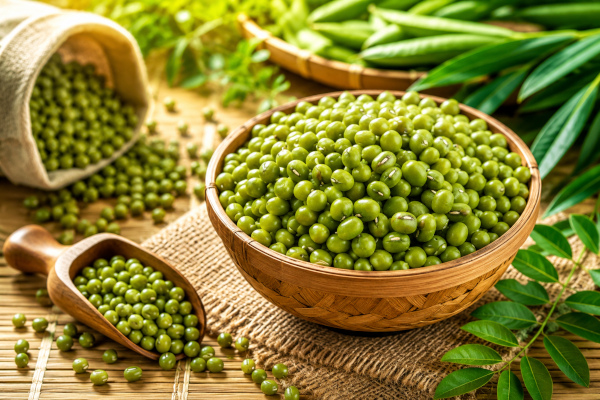
Green gram, commonly known as moong dal, is one of the most respected pulses in Ayurveda. In Sanskrit, it is called Mudga. Among the many legumes used in Indian food, green gram holds a special place because it combines nourishment with lightness. It gives strength without burdening digestion. It supports recovery without producing heaviness. It offers protein, minerals and fibre while remaining gentle on the stomach when cooked properly.
This is why Ayurveda treats green gram as both food and medicine.
In Indian homes, green gram appears in many forms: whole green gram, split moong dal, yellow moong dal, sprouted moong, moong khichdi, moong soup, payasam, dosa, cheela, sundal and kanji. Each form has a different effect on the body. Whole green gram gives more fibre and strength. Split yellow moong is lighter and easier to digest. Sprouted moong is fresh, active and rich in prana. Moong soup is ideal during weakness, fever recovery and digestive reset. Moong khichdi is one of Ayurveda’s most famous comfort foods.
Ayurveda values green gram because it respects agni, the digestive fire. A food may be nutritious, but it becomes useful only when the body can digest, absorb and transform it properly. Mudga has the rare quality of giving nourishment while keeping digestion clean and steady. This makes it suitable for children, elders, recovering patients, students, workers and people seeking a sattvic daily diet.
Ayurvedic Identity of Green Gram
Sanskrit name: Mudga
Common names: Green gram, mung bean, moong, cherupayar, pachai payaru
Botanical name: Vigna radiata
Family: Fabaceae
In Ayurvedic understanding, Mudga is generally described as light, slightly dry and cooling in nature. Its taste is mainly astringent and sweet. Because of these qualities, it is considered one of the most suitable pulses for regular use.
Rasa: Kashaya and Madhura
Guna: Laghu and Ruksha
Virya: Sheeta
Vipaka: Madhura
Dosha action: Balances Pitta and Kapha, supports Vata when cooked with ghee and mild spices
The beauty of green gram lies in balance. It cools excess heat, reduces heaviness, supports tissue nourishment and keeps the gut clean. It is especially valued in pathya ahara, the diet advised during healing and recovery.
Green Gram and the Three Doshas
For Vata prakriti, green gram should be cooked well with ghee, cumin, ginger, hing and rock salt. Dry sprouts or undercooked whole gram may increase gas and bloating in sensitive people. Warm moong khichdi is better for Vata because rice, ghee and spices make it grounding.
For Pitta prakriti, green gram is highly suitable. Its cooling nature helps calm heat, acidity and burning tendencies. Moong soup with coriander, cumin and a little ghee is gentle for Pitta. Spicy preparations with too much chilli reduce this cooling benefit.
For Kapha prakriti, green gram is useful because it is light and less oily. It helps reduce heaviness when cooked as soup, sundal or light dal. Kapha types benefit from adding black pepper, dry ginger, cumin, mustard seed and curry leaves. Heavy sweet preparations with jaggery and coconut suit occasional use.
Why Ayurveda Calls Mudga a Healing Food
Green gram is one of the best examples of the Ayurvedic idea that the kitchen is the first pharmacy. It supports the body through digestion, tissue nourishment, detoxification and gentle rebuilding.
It is light to digest when cooked properly. This makes it useful during weak digestion, seasonal tiredness, fever recovery and periods of low appetite. Moong dal water or thin moong soup is often preferred when the body needs food that gives strength without creating digestive strain.
It supports healthy bowel movement because it contains fibre. Whole green gram and sprouted green gram are especially helpful for people who need more roughage in food. Split yellow moong is gentler and better for delicate digestion.
It provides plant-based protein. This makes it valuable for vegetarian diets, fasting recovery, children’s meals, elderly nourishment and post-illness rebuilding. In Ayurveda, strength is built through food that the body can digest. Green gram is powerful because it gives nutrition in a soft and usable form.
It cools the body. People with excess heat, burning sensation, summer fatigue and Pitta aggravation can benefit from simple green gram preparations. Moong dal with coriander, cumin and ghee is one of the easiest cooling meals in Indian food tradition.
It supports sattvic living. Green gram is clean, gentle, simple and stabilising. It is widely used in yogic diets, temple food traditions and cleansing routines because it keeps the body light and the mind calm.
Green Gram as Pathya During Recovery
Pathya means food that supports the healing path. Green gram is one of Ayurveda’s most trusted pathya foods. During recovery, the body needs nourishment, but digestion is often weak. Heavy pulses, fried foods and rich preparations create strain. Green gram works beautifully in this stage because it is soft, digestible and strengthening.
Thin moong yusha, or green gram soup, is ideal when appetite is low. It can be prepared with split moong dal, water, cumin, a little dry ginger, rock salt and ghee. This form warms digestion while still keeping the meal light.
Moong khichdi is suitable when the person needs more strength. Rice and moong together create a balanced meal. Ghee improves nourishment. Cumin and ginger support agni. This is why khichdi is used after cleansing routines, during simple diets and in many homes when someone needs digestive rest.
For people recovering from fever or exhaustion, green gram gives a slow return to strength. It nourishes rasa dhatu and supports gradual rebuilding of energy. It is a food of patience, softness and stability.
Whole Green Gram, Split Moong and Sprouts
Whole green gram is heavier than split moong, but it gives more fibre and a fuller feeling. It is good for active people, workers, students and those who need sustained energy. Soaking it overnight improves digestibility. Cooking it with spices helps reduce gas.
Split yellow moong dal is the lightest form. It is best for khichdi, dal, soup and recovery diets. It cooks quickly, becomes soft and suits weak digestion. This is the form most commonly used in Ayurvedic diet therapy.
Sprouted green gram is fresh and lively. Sprouting changes the food and increases its active quality. It is useful for people with strong digestion and active routines. Sprouts should be lightly steamed or sautéed with spices for people prone to gas. Raw sprouts suit only those with strong agni and good tolerance.
Roasted moong flour can be used in porridges and simple laddus. Green gram powder is also used traditionally as a natural body cleanser. In many Indian homes, powdered green gram is used as a gentle ubtan for bathing because it cleanses the skin without harshness.
Best Ayurvedic Ways to Eat Green Gram
Moong khichdi is the most balanced preparation. Take split yellow moong dal and rice in equal or suitable proportion. Cook with enough water until soft. Add ghee, cumin, ginger, turmeric and rock salt. This is ideal for light dinner, recovery, monsoon diet and digestive reset.
Moong yusha is a thin soup made from green gram. It is excellent for low appetite, mild weakness and simple nourishment. It can be made watery and seasoned with cumin, coriander and ghee.
Cherupayar kanji is common in Kerala-style food traditions. Green gram cooked with rice gives strength and comfort. When prepared lightly, it becomes a wholesome meal for labour, recovery and rainy days.
Sprouted moong salad can be used during warm seasons. Light steaming with coconut, curry leaves, mustard and cumin makes it easier to digest. A little lemon and coriander can be added for freshness.
Moong dosa or pesarattu gives a strong breakfast. It is more nourishing and filling than thin soup. Ginger, cumin and curry leaves improve its digestive quality.
Moong sundal is suitable as an evening snack. Whole green gram is soaked, cooked and tempered with mustard, curry leaves, cumin and coconut. It gives protein and fullness without the heaviness of fried snacks.
Green Gram for Daily Life
For students, green gram supports steady energy and lightness. A heavy meal can make the mind dull. Moong khichdi, moong dosa or moong soup keeps the body nourished and the mind clear.
For elders, split moong is one of the safest pulses. It can be cooked soft and seasoned mildly. It supports strength while remaining gentle on digestion.
For children, moong dal rice with ghee is a simple strengthening food. It is soft, mild and easy to adapt with vegetables.
For people doing spiritual practice, green gram is a sattvic food. It supports simplicity, steadiness and moderation. It suits fasting recovery and light evening meals.
For summer, moong dal with coriander and ghee is cooling. For monsoon, moong khichdi with ginger, pepper and cumin supports digestion. For winter, whole green gram with warming spices gives strength.
Green Gram and Modern Nutrition
Modern nutrition also recognises green gram as a valuable pulse. It contains plant protein, complex carbohydrates, fibre, minerals and bioactive compounds. Its sprouts contain active phytochemicals and vitamin C after germination. This agrees beautifully with the Ayurvedic view that green gram is nourishing, cleansing and supportive for daily health.
The combination of protein and fibre makes green gram satisfying. It supports a balanced vegetarian diet and helps reduce dependence on heavy or oily foods. When paired with rice, wheat, millet or other grains, it becomes a more complete and practical meal.
Simple Ayurvedic Green Gram Recipes
Moong Digestive Soup
Take half a cup of split yellow moong dal. Wash well and cook with three to four cups of water. Add cumin, dry ginger, turmeric and a little rock salt. Finish with one spoon of ghee. This soup is excellent for weak appetite and light dinner.
Moong Khichdi
Take one part split moong and one part rice. Wash, soak briefly and cook until soft. Temper ghee with cumin, ginger and turmeric. Add to the cooked khichdi. This is one of the best Ayurvedic meals for digestive balance.
Kerala Cherupayar Preparation
Soak whole green gram overnight. Cook until soft. Temper coconut oil or ghee with mustard, curry leaves, cumin and a little grated coconut. This gives strength and is suitable for breakfast or lunch.
Steamed Sprouted Moong
Steam sprouts lightly. Add coriander, grated coconut, cumin powder, lemon and a little rock salt. This is better than raw sprouts for people with sensitive digestion.
Green Gram Ubtan
Powder dry green gram and use it as a gentle body cleanser. It can be mixed with water, milk or rose water according to skin type. This traditional use makes green gram part of both diet and daily self-care.
Precautions
People with strong gas, bloating or very weak digestion should begin with split yellow moong rather than whole green gram or raw sprouts. Cooking with ginger, cumin, hing and ghee improves tolerance.
People with kidney disease, special protein restrictions or medically advised dietary limits should take guidance from a qualified doctor or dietitian before increasing pulse intake.
Raw sprouts need careful washing and hygienic handling. Light steaming is a safer and more digestible method for many people.
Green gram is best used as part of a balanced diet. Its healing quality becomes strongest when it is cooked according to season, digestion and body type.
Conclusion
Green gram is one of Ayurveda’s finest everyday healing foods. It is simple, affordable, nourishing and deeply sattvic. It gives protein without heaviness, supports digestion without harshness, cools the body without weakening it and helps recovery without overloading agni.
Mudga teaches an important Ayurvedic lesson: the most powerful medicine is often the food that the body receives with ease. A bowl of warm moong khichdi, a cup of thin moong soup, a plate of steamed sprouts or a simple cherupayar preparation can become daily medicine when prepared with awareness.
In the Ayurvedic kitchen, green gram is more than a pulse. It is comfort, nourishment, digestive care and quiet healing in one humble seed.
You may also like
-
The Ayurvedic Approach to Work-Life Balance: Restoring Harmony Between Work, Health and Personal Life
-
Ayurveda and Mental Fatigue in the Digital Age: Ancient Wisdom for a Calm and Focused Mind
-
Bharat Biotech’s Nucelion and VeGen Bio Partner to Manufacture Advanced Dual-Target CAR-T Cancer Therapy in India
-
Ayurveda and Anger: How Emotional Excess Affects Physical and Mental Health
-
Ayurveda and Stress: Daily Practices for Mental Balance and Emotional Well-Being
