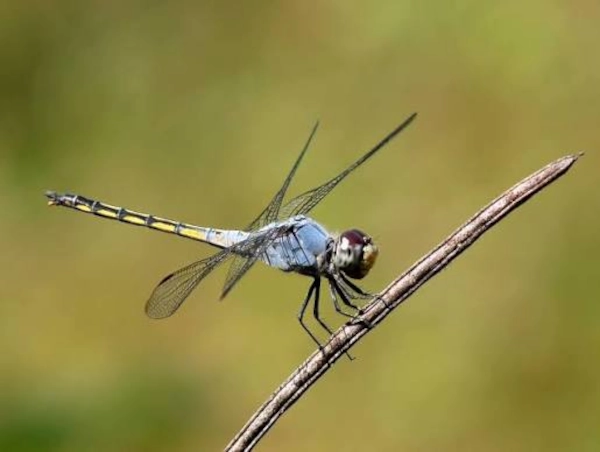
A three-day survey across Delhi’s seven biodiversity parks has recorded two odonate species in the capital for the first time, adding the Yellow-tailed Ashy Skimmer and the Blue Grass Dart to the city’s known dragonfly and damselfly fauna.
The survey was conducted from 17 to 19 September 2026 across the biodiversity parks managed by the Delhi Development Authority. The Yellow-tailed Ashy Skimmer, Potamarcha congener, was recorded at Aravalli Biodiversity Park, while the Blue Grass Dart, Pseudagrion microcephalum, was recorded at Yamuna Biodiversity Park.
Survey Covered All Seven DDA Biodiversity Parks
The annual exercise covered Yamuna Biodiversity Park, Aravalli Biodiversity Park, Neela Hauz Biodiversity Park, Tilpath Valley Biodiversity Park, Kamla Nehru Ridge, Tughlaqabad Biodiversity Park and Kalindi Biodiversity Park.
The DDA operates this network of biodiversity parks in technical collaboration with the Centre for Environmental Management of Degraded Ecosystems at the University of Delhi. The parks have been developed to restore degraded landscapes and provide habitat for native plants, animals and microorganisms.
The 2026 survey recorded 11,154 individual dragonflies and damselflies across the seven parks. This was lower than the 13,253 individuals counted during the 2025 survey.
Yellow-tailed Ashy Skimmer Recorded at Aravalli
The Yellow-tailed Ashy Skimmer, Potamarcha congener, was observed at Aravalli Biodiversity Park.
The dragonfly is commonly associated with temporary ponds, marshes and other shallow wet habitats. It often rests on dry twigs or exposed vegetation close to water.
Its appearance in the Aravalli park expands the known odonate records from the restored landscape. The species is distributed in different parts of India, but its presence within Delhi’s biodiversity park network adds another record to the capital’s documented insect diversity.
Blue Grass Dart Appears at Yamuna Biodiversity Park
The second new record came from Yamuna Biodiversity Park, where survey teams observed the Blue Grass Dart, Pseudagrion microcephalum.
This damselfly is generally associated with lakes, marshes and other freshwater habitats with established aquatic and bank vegetation. Its occurrence at Yamuna Biodiversity Park reflects the range of wetland habitats now present within the restored floodplain ecosystem.
Yamuna Biodiversity Park recorded the highest species diversity among the seven parks during the 2026 exercise, with 23 dragonfly and damselfly species. The park had recorded 21 species in each of the previous three annual surveys.
Overall Numbers Fell Despite the New Records
The appearance of two newly recorded species came alongside a modest decline in the overall abundance and diversity of odonates across parts of Delhi’s biodiversity park network.
Survey teams counted 11,154 individuals in 2026 compared with 13,253 in 2025. Scientists associated with the biodiversity parks linked the decline partly to erratic rainfall and prolonged dry conditions following periods of heavy rain.
Temporary pools and shallow wetlands are important breeding habitats for many dragonflies and damselflies. Faster drying of these water bodies can reduce the number of suitable sites available during their aquatic larval stages.
Different Parks Showed Different Trends
Yamuna Biodiversity Park increased from 21 recorded species in 2025 to 23 in the latest survey.
Aravalli Biodiversity Park recorded 16 species, matching the previous year’s figure. Kamla Nehru Ridge declined from 26 species in 2025 to 22 in 2026.
Tughlaqabad Biodiversity Park recorded 12 species compared with 14 the previous year, while Kalindi Biodiversity Park declined from 20 to 15. Neela Hauz recorded 13 species compared with 15 in 2025, while Tilpath Valley recorded four species compared with six during the previous survey.
The differences illustrate how dragonfly and damselfly populations respond quickly to changes in rainfall, standing water, vegetation and local habitat conditions.
Dragonflies and Damselflies Depend on Healthy Wetlands
Dragonflies and damselflies belong to the insect order Odonata and spend an important part of their life cycle in water.
Their larvae develop in ponds, marshes, streams and other freshwater habitats before emerging as winged adults. This dependence on both aquatic and terrestrial environments makes them useful indicators of changes in wetland and freshwater habitat quality.
Adults prey on a wide range of smaller flying insects, including mosquitoes. Their ecological role extends beyond mosquito predation, however, because they form part of a broader food web involving aquatic invertebrates, birds, fish and amphibians.
Restored Urban Habitats Continue to Add New Records
The two new records add to the growing wildlife inventory being documented across Delhi’s biodiversity parks.
The DDA describes the parks as restored landscapes designed to support self-sustaining communities of native plants and animals while providing ecological services such as groundwater recharge, carbon sequestration and conservation education.
The latest odonate survey shows that even within a heavily urbanised landscape, restored wetlands and native vegetation can support a varied insect community. At the same time, the lower overall counts recorded this year show how strongly these species remain tied to rainfall and water availability.
References
Delhi Development Authority — Biodiversity Parks: Official information on Delhi’s seven biodiversity parks and their management in collaboration with the Centre for Environmental Management of Degraded Ecosystems, University of Delhi.
Delhi Biodiversity Parks annual odonate survey — 17–19 September 2026: Survey of dragonflies and damselflies across seven DDA biodiversity parks.
Odonata of India / Indian Foundation for Butterflies: Species information for Potamarcha congener, the Yellow-tailed Ashy Skimmer.
One date correction: this is a 20–21 September 2026 reporting update, based on a survey conducted from 17 to 19 September 2026. It is not a 1 September development.
You may also like
-
Rare Leafless Orchid Gastrodia keyiensis Discovered in Arunachal Pradesh’s Keyi Valley
-
Indian Grey Hornbill Returns to Gir After Six Decades, Marking a Major Conservation Success
-
Indian Scientists Discover New Deep-Sea Conger Eel 300 Metres Below Arabian Sea Off Kerala
-
Black-Headed Ibis Flock Turns Tirunavaya Paddy Fields Into a Spectacular Bird Haven
-
Bihar’s 700-Year-Old Banyan Becomes World’s Oldest Scientifically Dated Ficus benghalensis
