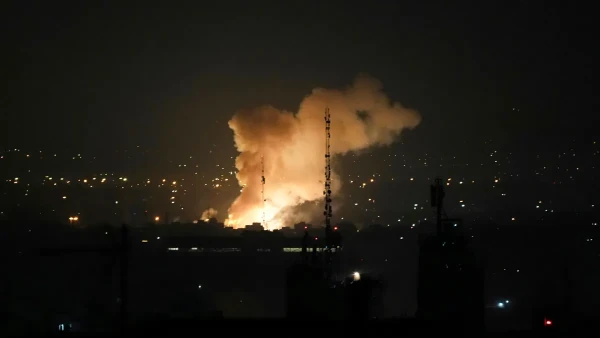
New Delhi, March 1, 2026: The Cabinet Committee on Security (CCS), chaired by Prime Minister Narendra Modi, convened late Saturday evening to assess the rapidly evolving security situation in West Asia following recent air strikes in Iran and the subsequent escalation across parts of the Gulf region.
According to an official press release issued by the Press Information Bureau, the Committee was briefed on the February 28 air strikes in Iran and the ripple effects that have led to heightened tensions, including reported attacks in several Gulf countries. The developments have raised concerns about regional stability, commercial activity, and civilian safety.
Focus on Indian Expatriates
A key point of discussion was the safety and security of the large Indian expatriate community residing across West Asia. The Gulf region is home to millions of Indian nationals who work across sectors such as construction, healthcare, energy, finance, and services. Any prolonged instability could directly affect their livelihoods and mobility.
The CCS expressed serious concern over their well-being and directed all concerned ministries and departments to take necessary and feasible measures to assist Indian citizens affected by the unfolding situation.
Impact on Travellers and Students
The Committee also reviewed the difficulties being faced by Indian travellers transiting through West Asian hubs, which serve as major global aviation corridors connecting India to Europe, North America, and Africa. Disruptions in airspace and heightened security conditions could affect flight schedules and transit routes.
Additionally, the situation has implications for Indian students scheduled to appear for examinations in the region. Authorities have been asked to monitor developments closely and ensure appropriate support mechanisms are in place.
Broader Economic and Security Implications
Beyond immediate humanitarian concerns, the CCS assessed the wider impact of escalating tensions on regional security dynamics and economic activities. West Asia remains a critical region for India’s energy security, trade flows, and strategic partnerships. Instability in the Gulf can influence oil prices, shipping lanes, insurance costs, and supply chains, with potential ripple effects on the global economy.
Source: PIB
You may also like
-
India and EU Review Free Trade Agreement, Economic Security and Strategic Cooperation
-
India and France Advance Strategic Cooperation in Space, Critical Technologies and Economic Security
-
PM Modi Reaffirms India’s Support for Peaceful Resolution of Ukraine Conflict in Talks with Zelenskyy
-
India and Lebanon Hold Foreign Office Consultations, Prioritise Trade, Digital Infrastructure and Pharmaceuticals
-
INS Surat Arrives in Oman for Naseem Al Bahr 2026, Strengthening India’s Maritime Security Partnership
