Living Heritage

Documenting India’s civilisational and natural heritage.

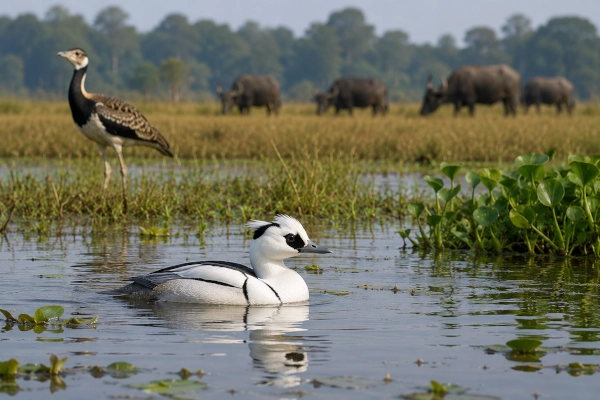
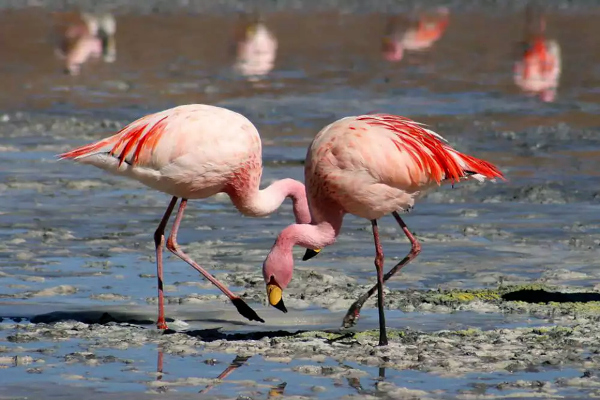
Thousands of Flamingos Turn Thoothukudi Salt Pans Pink as Migration Season Begins

Thoothukudi’s salt pans are more than industrial landscapes. Their shallow saline waters can provide productive feeding and resting habitat for waterbirds. The combination of open water, exposed mud, microorganisms and other aquatic food resources creates conditions that attract flamingos and numerous smaller migratory species during their seasonal movements.
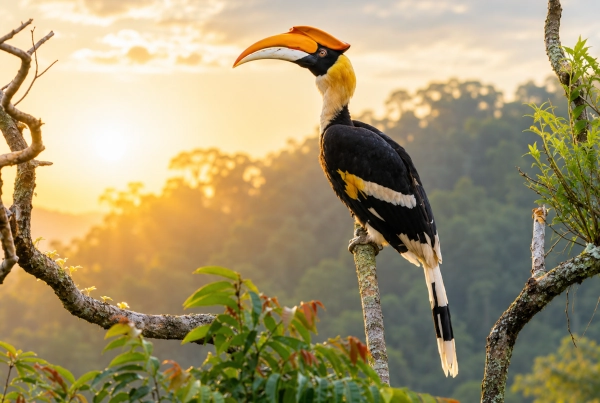
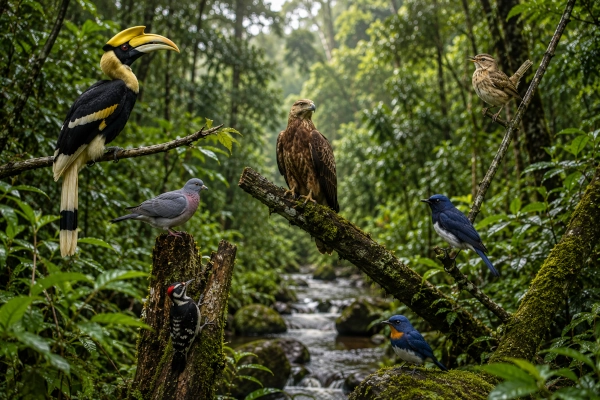
Indian Scientists Map Genomes of Four Asian Hornbills to Strengthen Conservation Science

Beyond creating a genetic reference for each species, the scientists reconstructed aspects of their ancient population history. Their analysis indicates that all four experienced substantial declines in effective population size during climatic fluctuations of the Pleistocene, revealing that the evolutionary history of these birds was shaped by environmental change long before today’s pressures from deforestation, hunting and habitat fragmentation emerged.

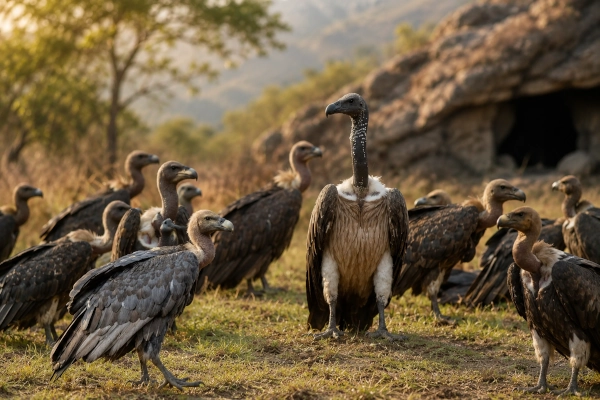
World’s First Captive-Bred Slender-Billed Vultures Released Into the Wild in Assam

The release, carried out on 7 August 2026, included five Slender-billed Vultures (Gyps tenuirostris) and five White-rumped Vultures (Gyps bengalensis). The birds were released from the Jatayu Soft Release Centre at Tewaripal in Biswanath district under a long-running conservation programme aimed at rebuilding wild populations of South Asia’s severely depleted Gyps vultures.

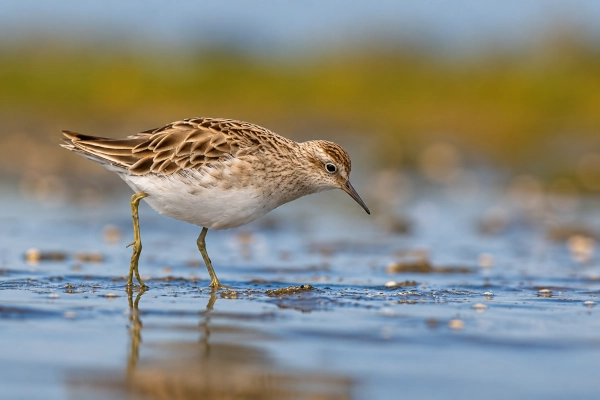
Rare Siberian Sharp-Tailed Sandpiper Recorded at Najafgarh

The bird was photographed on August 30, 2026, by NCR-based conservationist and birder Akshit Dua, who observed it actively feeding in shallow wetland habitat alongside Common Sandpipers and Wood Sandpipers. The identification was based on a combination of features including its prominent pale supercilium, rufous-streaked crown, eye-ring, rusty-brown scalloped upperparts and diffuse breast markings.

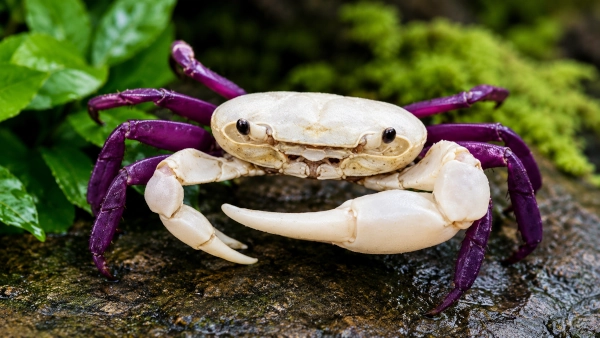
New Freshwater Crab Ghatiana karnataka Reveals Hidden Biodiversity of the Western Ghats

The newly described species, Ghatiana karnataka, was discovered at Mavinkaru in the Mookambika Wildlife Sanctuary of Udupi district, where it inhabits moist lateritic habitats within the central Western Ghats. Its formal description was published on 21 July 2026 in the journal Species by Santanu Mitra of the Zoological Survey of India and Ajmeer K of the Karnataka Forest Department.