Economy

News on Indian Economy

India Emerges as a Fast-Rising Electro-Tech Manufacturing Hub

The shift is already visible in India’s energy and transport mix. The WEF-published piece says solar now contributes about 9% of India’s electricity, while coal consumption per person remains far below China’s at a similar stage of development. In transport, electric passenger vehicles are nearing 5% of total sales, and electric three-wheelers account for almost 60% of the market, making India a global leader in that segment.

World Bank Raises India’s FY27 Growth Forecast to 6.6% Despite Global Headwinds

According to the World Bank’s latest India Development Update, India’s economy grew 7.6% in FY2025-26, up from 7.1% in FY2024-25, supported by robust domestic demand, low inflation, tax measures and relatively accommodative financial conditions. The report says India remained the fastest-growing major economy during FY26, with manufacturing and services providing much of the momentum.

PLI-Backed Food Processing Products Record Strong Sales and Export Growth

The investment response has been especially notable. Total investment under the scheme has already crossed Rs. 9,000 crore, significantly above the earlier commitment level of about Rs. 7,000 crore. That gap points to stronger-than-expected industry participation and faster capital deployment, indicating that companies see long-term potential in India’s processed food segment.

Navi Mumbai’s Textile Recovery Facility Shows How Urban Waste Can Become Jobs, Enterprise, and Circular Value

India produces nearly 7.8 million metric tonnes of post-consumer textile waste every year, spanning everything from sarees and uniforms to denim and household linen. Against that backdrop, the Navi Mumbai Municipal Corporation has set up what PIB describes as India’s first municipal Textile Recovery Facility in Belapur, positioning textile waste as a recoverable resource rather than an overlooked urban burden.

India Plans Push For Domestic Lithium And Nickel Processing

The proposed approach goes beyond simple extraction. It includes expanding exploration for lithium resources within India, securing overseas supply arrangements, and building up refining capacity through both public- and private-sector participation. In effect, the government is trying to move India higher up the value chain instead of remaining dependent on imported processed materials.

Vande Bharat Surge Powers New Phase Of Modern Rail Travel In India

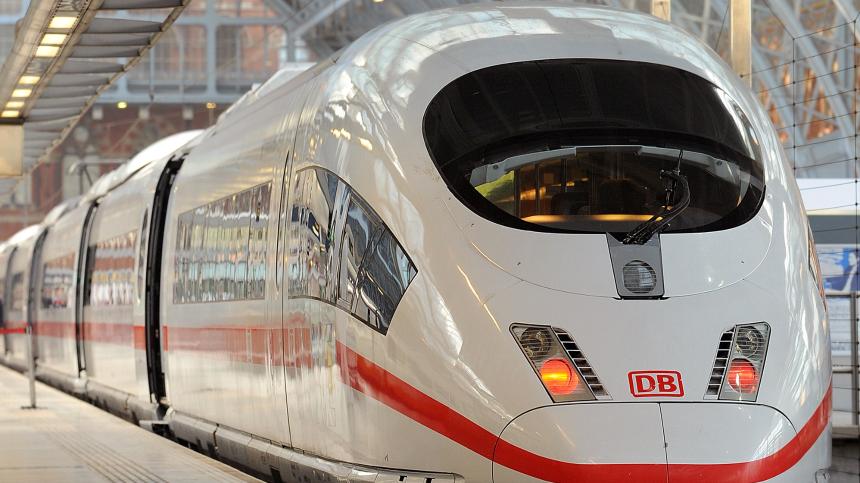
Since its launch, the Vande Bharat network has carried more than 9.1 crore passengers through about 1 lakh trips, showing how quickly the service has moved from flagship experiment to a widely accepted part of India’s railway system. First introduced on the New Delhi–Varanasi route in February 2019, the train has since become a major symbol of indigenous rail modernisation under the Make in India push.