Defense

News , articles and essays on Indian Defense

Indian Army Online Common Entrance Examination for Agnipath Scheme to Begin from 1 June

The recruitment process is structured in phases. The online examination acts as the initial filter, followed by physical recruitment rallies and medical examination for shortlisted candidates. This system gives the Army a wider digital reach while reducing crowding at early-stage rallies and ensuring that candidates first clear a common written assessment before entering the field-based stages.

India and Australia Build a Stronger Defence Partnership for a Stable Indo-Pacific

A major pillar of the partnership is interoperability. Modern defence cooperation depends on the ability of two armed forces to communicate, coordinate, deploy and operate together. India and Australia are now working to deepen this across all domains — sea, land, air, cyber and emerging technology. This matters because future crises in the Indo-Pacific may demand quick coordination between navies, air forces, surveillance networks, logistics chains and command structures.

Suryakiran Aerobatic Team Marks 30 Years of Precision, Passion and IAF Excellence

The highlight of the display was the “Hollow Diamond” formation, flown in remembrance of team members who lost their lives during Suryakiran’s journey. The formation carried deep symbolic value, reflecting courage, sacrifice, brotherhood and the demanding nature of military aerobatics. In such teams, every manoeuvre depends on trust, timing and absolute control, and the tribute honoured the air warriors who helped shape the team’s proud history.

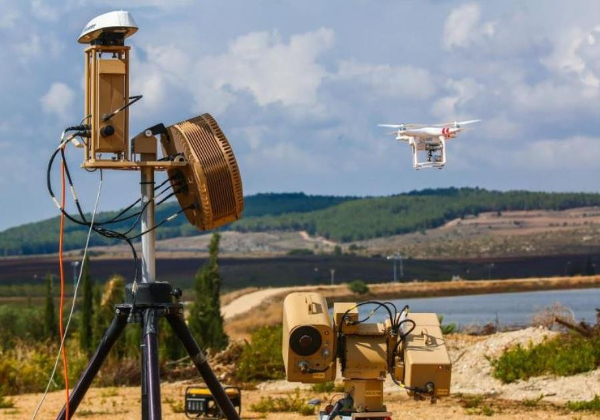
India to Install Anti-Drone Systems Within Six Months to Counter Narcotics and Weapons Smuggling

The decision reflects a major shift in how India is approaching border management. Smuggling across sensitive frontiers is increasingly moving from traditional ground routes to low-flying drones that can carry small but dangerous payloads, including narcotics, weapons and other materials. By placing anti-drone systems along the border, India is aiming to build a sharper technological shield that can detect, track and neutralise hostile aerial intrusions before they disappear into civilian areas.

Indian Startup Red Balloon Aerospace Sends Experimental Balloon Platform 25 km Above Earth, Opening a New Near-Space Chapter

The launch took place from Indira Gandhi Stadium in Vijayawada, Andhra Pradesh. The platform rose into the stratospheric zone, a region above normal aircraft operations and far below satellite orbits. This altitude band, roughly between 20 and 50 kilometres, is increasingly seen as a valuable “near-space” layer because it offers wide-area visibility, long dwell time and flexible deployment. Aircraft usually operate below 10 kilometres, while satellites operate far higher, leaving the stratosphere as a powerful but underused operating space.

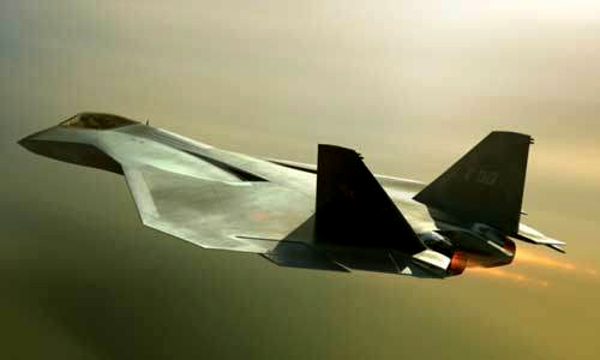
India Opens ₹15,000 Crore AMCA Race as Indigenous Stealth Fighter Programme Enters Decisive Industry Phase

The AMCA is more than another aircraft project. It is India’s attempt to enter the small league of nations capable of designing, testing and producing a stealth combat aircraft with advanced sensors, internal weapons carriage, network-centric operations and survivability against modern air defence systems. For the Indian Air Force, the aircraft is expected to become a major pillar of combat capability from the mid-2030s, when legacy fleets will be under pressure and regional air warfare will be shaped increasingly by stealth aircraft, long-range weapons, unmanned systems and electronic warfare.

Categories