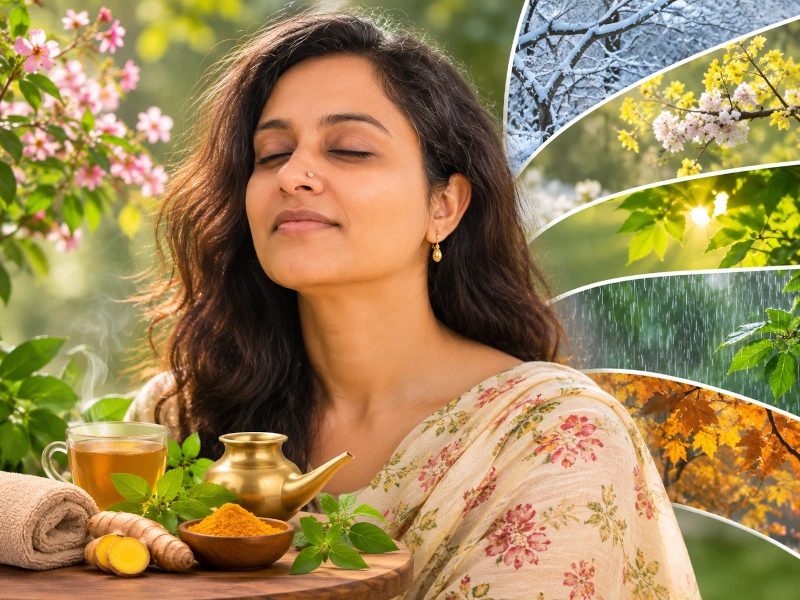
Understanding Seasonal Allergies Through Ayurveda
Seasonal allergies are a common health concern affecting people across different age groups and climatic regions. Sneezing, nasal congestion, watery eyes, itching, throat irritation and recurring respiratory discomfort often become more noticeable during particular periods of the year. Changes in temperature, humidity, pollen concentrations, air pollution and indoor environmental conditions can influence the occurrence and severity of these symptoms. While some people experience allergies primarily during spring or winter, others find that their symptoms return whenever seasonal conditions change.
India’s geographical and climatic diversity makes seasonal allergies particularly relevant. Springtime flowering, summer dust, monsoon humidity and winter air pollution create different environmental challenges across the country. The timing of allergic symptoms varies according to local vegetation, weather conditions, environmental exposure and individual sensitivity. A person experiencing pollen-related discomfort during spring may encounter an entirely different set of triggers during the monsoon or winter.
Ayurveda approaches seasonal health through the traditional concepts of Ritucharya, Dinacharya and the balance of Vāta, Pitta and Kapha. Rather than considering seasonal discomfort in isolation, the classical system examines the relationship between environmental conditions, food habits, physical activity, sleep and bodily balance. It recognises that changes in climate may require corresponding adjustments in daily routines to maintain physical comfort and general well-being.
Modern medicine explains allergic rhinitis as an immune response to substances such as pollen, house dust mites, mould spores and animal allergens. In susceptible individuals, exposure triggers inflammatory reactions involving histamine and other mediators, resulting in sneezing, itching, watery discharge and nasal congestion. These mechanisms are distinct from Ayurvedic Doṣa theory, although both approaches recognise the importance of environmental conditions in understanding recurring symptoms.
The central Ayurvedic principle of seasonal health is that daily routines should adapt to changes in climate rather than remain identical throughout the year. When combined with established allergy-management practices, this approach encourages greater awareness of environmental triggers, balanced lifestyle habits and appropriate preventive care.
The Ayurvedic Understanding of Allergic Respiratory Conditions
Classical Ayurvedic literature describes several disorders affecting the nose, throat and respiratory passages. Pratiśyāya is a traditional category associated with nasal complaints, including symptoms such as sneezing, nasal discharge and congestion. These symptoms are examined within the wider Ayurvedic framework of Doṣa imbalance and disturbances affecting the upper respiratory system.
Kapha is traditionally associated with coldness, moisture, heaviness, stability and lubrication. Within Ayurvedic theory, aggravated Kapha may be linked with excessive mucus production, nasal congestion and a sensation of heaviness in the head. Vāta, associated with movement, dryness and irregularity, is considered relevant to certain patterns of nasal discomfort, while Pitta is associated with heat, burning sensations and inflammatory characteristics.
Ayurvedic practitioners may interpret recurring nasal symptoms according to the dominant qualities observed in an individual. Traditional recommendations may consequently differ depending upon the season, bodily constitution, digestive habits and associated complaints.
However, Pratiśyāya should not automatically be equated with allergic rhinitis. Viral infections, sinus disorders and non-allergic rhinitis may produce similar symptoms despite involving different medical mechanisms. Accurate diagnosis is therefore important when nasal complaints persist or repeatedly interfere with everyday life.
The practical relevance of Ayurveda’s traditional interpretation lies in recognising variations in symptoms and environmental conditions while adapting everyday habits to individual needs.
Ritucharya: The Foundation of Seasonal Well-Being
Ritucharya is the Ayurvedic system of adapting food habits, physical activity and daily conduct according to seasonal changes. Classical Ayurvedic literature divides the year into six seasons: Śiśira, Vasanta, Grīṣma, Varṣā, Śarad and Hemanta. Each season is associated with particular climatic characteristics and traditional recommendations intended to maintain bodily balance.
According to Ayurveda, seasonal changes influence the accumulation, aggravation and pacification of the Doṣas. Classical guidance therefore recommends corresponding adjustments in diet, exercise, sleep and personal care. These recommendations reflect the traditional understanding that the body’s requirements are influenced by temperature, humidity and other environmental conditions.
The seasonal classifications do not correspond perfectly to the climate of every Indian region. Coastal Kerala, the Himalayan states, the northeastern hills and the dry plains of Rajasthan experience markedly different weather patterns. Consequently, practical seasonal routines should be adapted to actual local conditions rather than followed solely according to a fixed calendar.
Modern allergy research similarly recognises that exposure to pollen, mould, dust mites and environmental irritants varies according to local weather and geography. The relationship between climate and allergic symptoms therefore requires attention to the individual’s surroundings.
The enduring value of Ritucharya lies in its emphasis on seasonal awareness. Understanding changes in the environment allows individuals to adjust daily habits and reduce unnecessary exposure to conditions that aggravate respiratory discomfort.
Vasanta Ritu: Managing Allergies During Spring
Vasanta, or spring, is traditionally regarded in Ayurveda as a period during which accumulated Kapha becomes aggravated. Classical recommendations for this season commonly emphasise dietary moderation, appropriate physical activity and the avoidance of habits traditionally believed to increase heaviness and lethargy.
Spring can also be an important period for pollen-related allergies. Trees, grasses and flowering plants release pollen into the atmosphere, and susceptible individuals may develop sneezing, nasal itching, watery eyes and congestion following exposure. The timing and intensity of pollen release vary according to plant species, local climate and geographical location.
People who experience recurring symptoms during spring may benefit from observing when and where their discomfort becomes most pronounced. Outdoor activities near flowering vegetation or in areas with elevated pollen concentrations may aggravate symptoms in sensitive individuals.
Practical preventive measures include reducing unnecessary pollen exposure during high-pollen periods, changing clothes after prolonged outdoor activity and keeping indoor spaces reasonably free from pollen brought in from outside. Washing the face and hair when appropriate may also help remove deposited allergens.
Ayurveda’s traditional emphasis on regular activity can be maintained through comfortable walking and suitable exercise, with adjustments when environmental conditions aggravate symptoms.
The principal lesson for spring is to maintain an active daily routine while recognising and reducing exposure to individual pollen triggers. Avoiding all outdoor activity is generally unnecessary, but sensible adjustments can improve comfort during periods of increased exposure.
Grīṣma Ritu: Summer Heat, Dust and Respiratory Comfort
Grīṣma, or summer, is associated with increasing heat and dryness in classical Ayurvedic descriptions. Traditional recommendations generally emphasise appropriate hydration, adequate rest and avoidance of excessive physical exertion during periods of intense heat.
In many parts of India, summer brings dry winds, airborne dust and increased exposure to environmental irritants. Dust may contain soil particles, pollen, pollution and other materials capable of aggravating respiratory symptoms. However, irritation caused by dust does not always represent an allergic reaction.
People with allergic rhinitis or asthma may experience increased discomfort when exposed to dusty roads, construction sites or heavily polluted environments. Those who work outdoors or commute regularly may face repeated exposure during the hottest periods of the day.
Reducing unnecessary exposure through suitable protective measures can help maintain respiratory comfort. Damp dusting and wet mopping may reduce the dispersal of household dust compared with aggressive dry sweeping, while appropriate ventilation and filtration can support indoor air quality.
Adequate fluid intake remains important during summer, particularly when sweating increases. However, excessive water consumption does not directly prevent allergic immune responses.
The Ayurvedic principle of moderation during Grīṣma can be applied through suitable hydration, comfortable physical activity, adequate rest and efforts to reduce unnecessary exposure to dust and environmental irritants.
Varṣā Ritu: Monsoon Humidity and Indoor Allergens
Varṣā, or the rainy season, occupies an important position in Ayurvedic seasonal guidance. Classical recommendations frequently emphasise suitable food preparation, digestive comfort, hygiene and adjustments to physical activity during periods of increased moisture and rainfall.
The monsoon introduces environmental conditions that can influence respiratory allergies. Persistent dampness may encourage mould growth in poorly ventilated buildings, while humid indoor environments can support house dust mites. Both mould spores and dust-mite allergens can contribute to nasal symptoms and aggravate asthma in susceptible individuals.
Damp walls, leaking roofs, wet furnishings and poorly ventilated bathrooms may create conditions favourable to mould growth. Individuals sensitive to mould may experience recurring symptoms when spending time in such environments.
Maintaining appropriate indoor ventilation, repairing water leaks and drying damp surfaces promptly can help reduce exposure. Bedding, clothing and towels should be thoroughly dried before storage, while air-conditioning systems and filters should receive regular maintenance.
Where practical, indoor humidity should be controlled to discourage excessive dampness. A relative humidity range of approximately 30–50% is commonly recommended for limiting dust mites and mould, although comfort and local conditions must also be considered.
The principal monsoon lesson is that environmental hygiene becomes particularly important during periods of sustained humidity. Controlling dampness and maintaining clean indoor spaces can support respiratory comfort while complementing medical treatment for established allergies.
Śarad Ritu: Adjusting to Autumn Conditions
Śarad, or autumn, marks the transition from the rainy season towards cooler and relatively drier conditions in many parts of India. Ayurvedic seasonal guidance traditionally considers this period relevant to Pitta and recommends suitable adjustments in food, physical activity and daily conduct.
From a modern environmental perspective, autumn may bring changes in pollen composition, humidity and air quality. Certain grasses, weeds and other plants release pollen during this period, although the timing differs considerably across geographical regions.
In some parts of northern India, autumn also coincides with episodes of worsening air pollution. Smoke and particulate matter can irritate the respiratory passages and aggravate symptoms among people with allergic rhinitis or asthma.
Individuals experiencing recurrent autumn symptoms may benefit from maintaining a simple record of their activities and environmental exposures. Observing whether symptoms increase after outdoor exercise, travel or exposure to polluted air can help identify relevant patterns.
People with diagnosed allergies should continue prescribed treatment according to medical advice, particularly when symptoms return predictably during particular seasons.
The practical importance of Śarad lies in recognising that environmental changes continue after the monsoon, requiring ongoing attention to pollen exposure, air quality and respiratory comfort.
Hemanta and Śiśira: Winter Allergies and Indoor Air Quality
Hemanta and Śiśira represent early and late winter in the traditional Ayurvedic seasonal system. Classical guidance frequently emphasises appropriate nourishment, warmth, physical activity and protection from excessive cold.
During winter, individuals may spend more time indoors with windows closed and reduced ventilation. This can increase exposure to indoor allergens such as house dust mites, animal dander and mould, depending upon household conditions.
Cold air may also irritate the respiratory passages, producing nasal discomfort even in individuals without a true cold allergy. It is therefore important to distinguish allergic rhinitis from non-allergic reactions caused by temperature changes.
Winter air pollution represents another significant concern in several Indian cities. Atmospheric conditions may allow particulate matter and other pollutants to accumulate, increasing respiratory irritation among vulnerable individuals.
Maintaining appropriate ventilation, cleaning bedding regularly and reducing indoor dust accumulation can help improve household conditions. Suitable air filtration may also be useful when feasible.
Warm clothing, regular movement and adequate nourishment can contribute to general comfort during colder weather. However, these measures should not replace prescribed treatment for allergic rhinitis or asthma.
The central winter principle is to maintain warmth and comfort while preventing indoor environments from becoming sources of avoidable respiratory allergens and irritants.
Dinacharya: Maintaining a Consistent Daily Routine
Dinacharya, the Ayurvedic concept of a disciplined daily routine, provides a practical framework for maintaining general health throughout the year. Classical recommendations describe regular waking, personal hygiene, suitable physical exercise, balanced meals and adequate sleep as important components of daily well-being.
For individuals experiencing seasonal allergies, consistency can also make it easier to identify recurring symptoms and maintain preventive habits. Beginning the day with appropriate personal hygiene, maintaining clean surroundings and following a regular schedule can support general comfort.
Physical exercise remains important for overall health, but the timing and location of outdoor activities may require adjustment during periods of high pollen exposure or severe air pollution. Comfortable indoor exercise may be preferable when outdoor conditions aggravate respiratory symptoms.
Ayurveda’s emphasis on moderation can also be applied to daily activities. Excessive exertion during illness or periods of significant respiratory discomfort may be unsuitable, while prolonged inactivity can undermine general physical conditioning.
The practical value of Dinacharya is that consistent habits provide a stable foundation for seasonal adjustments. Regularity in sleep, nourishment, physical activity and personal hygiene can support general well-being even when environmental conditions change.
Nasya and the Traditional Importance of Nasal Care
Ayurveda places considerable importance on the care of the head, nose and other sensory organs. Nasya is a traditional therapeutic procedure involving the administration of selected preparations through the nasal passages under specified conditions.
Classical Ayurvedic literature describes different forms of Nasya according to the therapeutic purpose and the individual’s condition. These practices form part of specialised Ayurvedic treatment and should not be confused with ordinary household nasal hygiene.
Modern medicine recognises saline nasal irrigation as a supportive measure that may improve symptoms in some individuals with allergic rhinitis. Appropriately prepared saline can help remove mucus and environmental particles from the nasal passages.
Safety is essential when performing nasal irrigation. Only distilled, sterile or previously boiled and cooled water should be used when preparing the solution. Untreated tap water should not be introduced into the nasal passages, and irrigation devices must be cleaned properly.
There is insufficient high-quality evidence to recommend routine application of Ayurvedic oils or homemade herbal liquids inside the nose as a treatment for seasonal allergies. Such substances may cause irritation or other complications.
The practical distinction is that evidence-based saline nasal care can have a supportive role in allergy management, while specialised Ayurvedic Nasya procedures require qualified professional supervision.
Āhāra: Seasonal Food Habits and Respiratory Well-Being
Ayurveda considers Āhāra, or food, one of the principal foundations of health. Classical dietary guidance recommends selecting food according to digestive capacity, bodily constitution, season and individual requirements.
During cooler periods, traditional Ayurvedic recommendations often favour warm, freshly prepared meals. During hot weather, greater attention may be given to hydration and food preparations suited to the prevailing climate.
The concept of Agni, or digestive and metabolic transformation, is central to these traditional recommendations. Ayurveda maintains that appropriate digestion supports tissue nourishment and general bodily balance.
Modern nutritional science recognises that adequate protein, vitamins, minerals and energy intake are important for normal immune function. A balanced diet containing vegetables, fruits, whole grains, pulses and suitable protein sources therefore contributes to overall health.
However, seasonal allergic rhinitis is not generally caused by eating particular foods. Eliminating dairy products, wheat or other food groups without an established medical reason is unlikely to resolve pollen or dust-mite allergies and may compromise nutritional adequacy.
The most useful dietary principle is to maintain balanced nourishment throughout the year while adapting meal preparation, hydration and food choices to personal needs and seasonal conditions.
Turmeric, Ginger and Traditional Ayurvedic Ingredients
Turmeric, ginger and several other culinary ingredients have long been incorporated into Indian food traditions and Ayurvedic preparations. Turmeric contains curcuminoids, while ginger contains biologically active compounds that have attracted scientific interest because of their potential anti-inflammatory properties.
Traditional Ayurvedic formulations may incorporate these ingredients in preparations intended to address respiratory discomfort. However, their historical use does not establish that they can prevent allergic rhinitis or eliminate immune sensitivity to environmental allergens.
Ordinary culinary quantities of turmeric and ginger can form part of a varied diet, but there is insufficient clinical evidence to recommend them as replacements for prescribed allergy treatment.
Concentrated extracts and supplements require additional caution because they may cause adverse effects or interact with medications. Some plant-derived products can themselves trigger allergic reactions in susceptible individuals.
The appropriate role of traditional culinary ingredients is within balanced food habits rather than as substitutes for established medical treatment of allergic conditions.
Nidrā: Sleep and Seasonal Respiratory Comfort
Ayurveda recognises Nidrā, or sleep, as one of the fundamental supports of health. Classical guidance considers adequate sleep important for maintaining physical strength, mental well-being and normal physiological functioning.
Seasonal allergies can interfere with sleep when nasal congestion, coughing or itching becomes more noticeable at night. Individuals may experience difficulty breathing comfortably through the nose, repeated awakenings or daytime fatigue resulting from disrupted rest.
Maintaining a comfortable sleeping environment is therefore important. Bedding should be cleaned regularly, and people with confirmed dust-mite allergies may benefit from suitable allergen-resistant mattress and pillow covers.
Indoor humidity should remain comfortable without encouraging dampness or mould growth. People experiencing persistent nighttime congestion should seek appropriate medical treatment rather than rely exclusively on changes in sleeping position or household remedies.
A regular sleep schedule can support general well-being, while effective allergy management may improve the ability to obtain restorative rest.
The Ayurvedic emphasis on Nidrā remains relevant because respiratory comfort and adequate sleep are closely connected to everyday physical functioning and quality of life.
Yoga, Prāṇāyāma and Respiratory Awareness
Ayurveda and Yoga traditions place importance on physical movement, controlled breathing and mental relaxation. Gentle Prāṇāyāma practices may help individuals develop greater awareness of breathing and support relaxation during periods of stress or physical discomfort.
Suitable yoga routines can also contribute to general fitness, flexibility and mental well-being. However, breathing exercises do not eliminate the immune sensitivity responsible for allergic rhinitis.
Individuals experiencing severe nasal congestion, wheezing or respiratory distress should avoid forceful breathing practices. Rapid breathing techniques, prolonged breath retention and excessive respiratory effort may be unsuitable for people with uncontrolled asthma or significant respiratory symptoms.
Gentle breathing awareness and comfortable physical activity can be incorporated according to individual capacity. People with persistent respiratory conditions should seek professional guidance before undertaking unfamiliar practices.
The practical role of Yoga and Prāṇāyāma is to support relaxation, physical conditioning and general well-being rather than replace medical treatment for allergies or asthma.
Seasonal Allergies Among Children and Students
Children frequently experience allergic rhinitis through recurring sneezing, nasal congestion, itching and watery eyes. Persistent symptoms can interfere with sleep, classroom concentration, outdoor activities and general comfort.
Parents and teachers should pay attention to symptoms that appear during particular seasons or in specific environments. Children who experience discomfort after outdoor play, exposure to dust or time spent in damp rooms may benefit from an appropriate medical assessment to identify relevant triggers.
Maintaining clean bedding, reducing unnecessary exposure to known allergens and encouraging adequate sleep can support a healthier daily routine.
Outdoor physical activity remains important for children’s development, and restrictions should be proportionate to the severity of symptoms and the environmental conditions involved.
Children with persistent allergies may require age-appropriate medication or other treatment recommended by qualified healthcare professionals. Traditional nasal therapies and herbal formulations should not be administered without appropriate medical guidance.
The objective is to help children remain active and comfortable while identifying and managing the environmental factors responsible for recurring symptoms.
Seasonal Allergies Among Working Professionals
Working professionals may encounter respiratory allergens and irritants during commuting, outdoor employment, office work and other routine activities. People travelling through dusty roads or polluted areas may experience nasal irritation, while those working in poorly ventilated buildings may be exposed to indoor allergens.
Air-conditioned offices can also influence nasal comfort when humidity is low or ventilation systems are poorly maintained. Individuals with established allergic rhinitis may experience symptoms that interfere with concentration and productivity.
Developing consistent habits can help manage these challenges. Suitable workplace ventilation, regular cleaning and attention to known environmental triggers can reduce unnecessary exposure.
Those receiving prescribed allergy medicines should follow medical advice, particularly when symptoms recur predictably during certain seasons. Individuals with persistent symptoms may benefit from discussing treatment options that minimise interference with daytime activities.
Regular exercise, balanced nutrition and sufficient sleep support general well-being but should not be considered substitutes for allergen management or appropriate medical treatment.
The most practical approach for working professionals is to recognise recurring triggers and incorporate manageable preventive measures into their everyday schedules.
Recognising When Seasonal Allergies Require Medical Attention
Although seasonal nasal symptoms are common, repeated sneezing and congestion are not always caused by allergies. Viral respiratory infections, chronic sinus disorders, non-allergic rhinitis and other medical conditions can produce similar complaints.
Persistent nasal blockage, recurring symptoms affecting sleep or work, wheezing and repeated respiratory discomfort should be evaluated by a qualified healthcare professional.
Allergy testing may be useful when identifying specific triggers would influence treatment. Modern medical options include appropriate antihistamines, intranasal corticosteroid sprays and saline nasal care. Selected patients with confirmed allergies may also benefit from allergen immunotherapy.
People with asthma require particular attention because allergic rhinitis and asthma frequently occur together. Treatment should be selected according to symptom severity, medical history and professional assessment.
Severe breathing difficulty, swelling of the tongue or throat, faintness or other symptoms suggesting anaphylaxis require immediate emergency medical attention.
Ayurvedic herbal medicines should not be used to delay necessary treatment. Some traditional formulations may contain contaminants, interact with prescribed medicines or trigger allergic reactions.
The safest approach is to combine appropriate seasonal lifestyle measures with accurate diagnosis, environmental management and evidence-based medical care.
Developing an Ayurvedic-Inspired Seasonal Allergy Routine
A practical daily routine for seasonal allergies can begin with awareness of the prevailing weather and environmental conditions. People who experience recurring pollen-related symptoms may adjust outdoor activities according to local exposure patterns and personal tolerance.
During humid periods, attention should be directed towards preventing indoor dampness, maintaining clean bedding and reducing mould growth. During dry or polluted weather, avoiding unnecessary exposure to airborne irritants becomes particularly important.
Meals should remain balanced and nutritionally adequate, while fluid intake should reflect individual needs and climatic conditions. Regular physical activity, adequate rest and consistent sleeping hours support general well-being.
Individuals who benefit from saline nasal irrigation may incorporate it according to professional guidance and established hygiene precautions. Those with diagnosed allergic rhinitis should continue prescribed treatment plans rather than rely exclusively upon seasonal adjustments.
Ayurveda’s emphasis on Ritucharya and Dinacharya can be incorporated through regularity, moderation and practical awareness of changing environmental conditions.
The effectiveness of seasonal care lies in preparation and consistency. Recognising predictable triggers and adjusting daily habits before symptoms become troublesome can make recurring allergies easier to manage.
Ayurveda’s Enduring Approach to Seasonal Well-Being
Ayurveda’s approach to seasonal health reflects its broader philosophy of maintaining physical well-being through appropriate nourishment, regular routines, moderation and adaptation to environmental conditions. Its traditional concepts of Ritucharya, Dinacharya, Āhāra, Agni, Nidrā and the balance of the Doṣas encourage individuals to recognise that everyday requirements change with the seasons.
Modern allergy science provides a more specific understanding of immune responses, airborne allergens, indoor environmental exposures and the medical treatment of allergic diseases. These perspectives can be brought together through a practical approach that preserves useful traditional lifestyle principles while recognising the importance of accurate diagnosis and evidence-based treatment.
Seasonal allergies cannot always be prevented, and some individuals remain sensitive to particular allergens throughout life. Nevertheless, appropriate environmental measures, regular self-care and effective medical management can improve comfort and reduce the disruption caused by recurring symptoms.
The enduring lesson is that seasonal well-being depends upon understanding environmental changes, maintaining balanced daily habits, reducing avoidable allergen exposure and seeking appropriate medical care when necessary.
By integrating Ayurveda’s preventive philosophy with modern knowledge of allergic conditions, individuals can develop sustainable routines that support respiratory comfort, healthy sleep and overall well-being throughout the year.
You may also like
-
Ayurveda and Hair Health: Daily Habits Beyond Oils and Herbs
-
Government Awards Ayush Quality Mark Certificates to Hospitals and Manufacturers to Strengthen Quality Standards
-
Ayurveda and Skin Health: The Role of Food, Sleep and Routine
-
Ayurveda for Eye Health in the Digital Age
-
Glenmark’s Innovation Arm Submits US FDA Application for Experimental Cancer Immunotherapy ISB 2301
