Kautilya

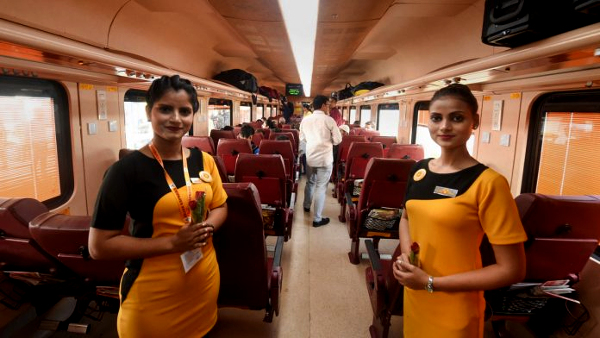
Holding Areas, Access Control and AI CCTV: Railways Rolls Out New Passenger Management Plan

New Delhi Railway Station has already become the first example of this model in operation. According to the government, the station’s holding area is now serving passengers with a range of amenities including additional ticket counters, automatic ticket vending machines, public announcement systems, electronic train information boards, CCTV surveillance, luggage scanners, door frame metal detectors, uninterrupted power supply, improved lighting, high-volume low-speed fans, fire-fighting and lightning protection systems, RO drinking water and separate toilets for men, women and Divyangjan passengers. Similar arrangements are planned for the remaining stations, though implementation timelines will depend on planning and execution at each location.
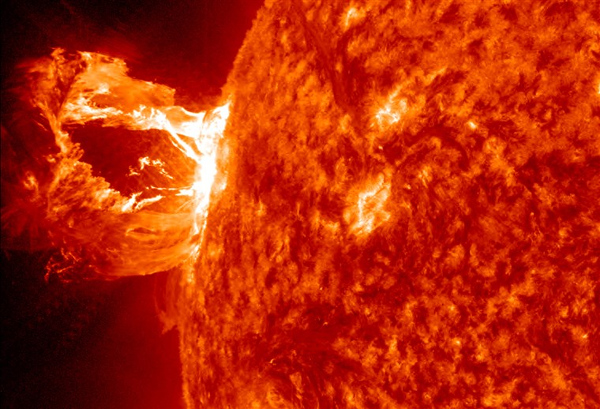
Study on Solar Radio Bursts Sheds Light on Long-Standing Corona Puzzle, May Aid Space Weather Forecasting

Solar flares and coronal mass ejections can generate shock waves in the Sun’s corona, producing a specific type of radio emission known as Type II solar radio bursts. These bursts, often described as slow-drifting, typically travel at around 1,000 km per second and are detected in the radio wave spectrum. As the shock moves outward from the Sun, the bursts gradually drift from higher to lower radio frequencies.

ICAR Institutions Enter Global Rankings, Mark Milestone for India’s Agricultural Education

For the first time, two ICAR institutions have secured positions in this global ranking. The ICAR–Indian Veterinary Research Institute (IVRI), Bareilly, has been placed in the 51–100 band in Veterinary Science, becoming the only Indian institution among the top 100 globally in this category. Meanwhile, the ICAR–Indian Agricultural Research Institute (IARI), New Delhi, has been ranked in the 151–200 band in Agriculture & Forestry, placing it among leading institutions worldwide.

Categories