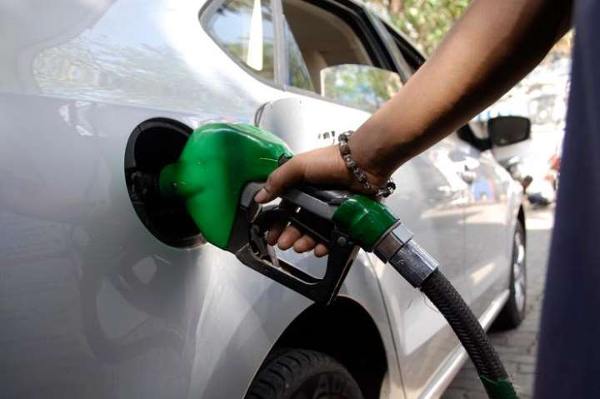
In a major fiscal intervention aimed at cushioning consumers and supporting state-run oil companies, the Government of India has reduced excise duty by Rs 10 per litre on both petrol and diesel with immediate effect. The move comes amid a sharp spike in global crude oil prices, driven by escalating tensions in West Asia and disruptions to international energy supply chains.
According to the government, international crude prices have jumped from around USD 70 per barrel to nearly USD 122 per barrel in the span of a month, marking an increase of roughly 75 per cent in less than four weeks. Despite this steep rise, retail prices of petrol and diesel at fuel stations across India will remain unchanged.
The excise duty cut will not translate into lower pump prices for consumers. Instead, the benefit is being used to partly ease the financial burden on public sector oil marketing companies (OMCs) — Indian Oil Corporation, Bharat Petroleum Corporation, and Hindustan Petroleum Corporation — which have continued to sell fuel domestically at rates below their cost of supply.
At current international crude levels, under-recoveries are estimated at around Rs 26 per litre on petrol and Rs 81.90 per litre on diesel. The government said the combined daily under-recovery being absorbed by OMCs is about Rs 2,400 crore. The Rs 10 per litre excise reduction is intended to partially offset these losses and help ensure uninterrupted fuel supply while avoiding a direct increase in retail prices.
The government said India’s price stability stands in contrast to global fuel markets, where prices have reportedly risen by 30 to 50 per cent across South and South-East Asia, 30 per cent in North America, and 20 per cent in Europe since the current crisis began. The Centre said it has chosen to absorb the fiscal impact rather than pass on the full burden of international volatility to Indian consumers.
Petroleum and Natural Gas Minister Hardeep Singh Puri said the government had a choice between sharply raising fuel prices for Indian citizens or taking a hit on public finances to shield them. He said Prime Minister Narendra Modi chose to protect citizens from global oil price shocks by accepting lower tax revenues and reducing the pressure on oil marketing companies facing high losses.
Alongside the excise cut, the government has also imposed an export levy on diesel. The measure is intended to discourage exports at a time of soaring international diesel prices and ensure that domestic supply requirements are met first. The government said keeping Indian fuel stations adequately supplied takes priority over export gains in the present situation.
The latest decision follows the approach adopted during the Russia-Ukraine conflict in 2022, when the government reduced central taxes and OMCs absorbed losses to shield households and businesses from global energy volatility. Officials said the same principle is guiding the present intervention: Indian consumers and industry should not bear the full cost of an international crisis they did not create.
The government said it will continue to monitor developments in global energy markets and take further steps if needed to maintain supply stability and protect domestic consumers.
Source: PIB
You may also like
-
India’s E-Commerce Platforms Record ₹24,000 Crore Festive Sales in Two Days as Meesho Reports 75% Surge in Orders
-
India’s Economic Warfare Challenge: Strategic Autonomy, Energy Security and the Rise of a Global Power
-
India-US Trade Deal Stalemate: Why Washington’s Tariff Pressure Has Failed to Secure an Agreement
-
US Double Standards in Foreign Policy: 16 Recent Cases Involving India, Russia, China and Global Trade
-
India’s Arctic Energy Ambitions: Russian Oil, LNG and a New Sea Route to Indian Ports
