Kautilya

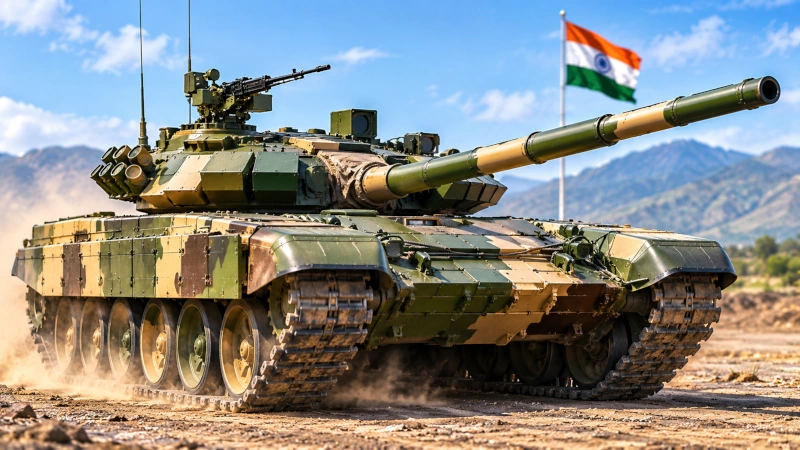
AVNL Showcases Upgraded T-72 Ajeya Tank with 1,000 HP Engine

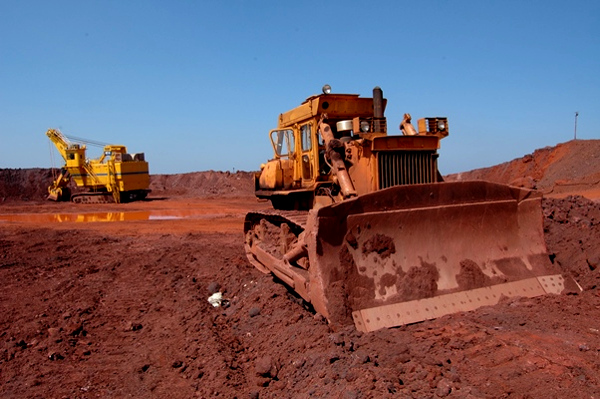
The principal improvement in the upgraded T-72 Ajeya is its higher-output engine, which provides substantially greater power than the 780 HP diesel engine fitted to the existing configuration. The additional power is intended to improve the tank’s mobility and responsiveness, particularly during demanding battlefield manoeuvres and operations involving steep gradients, uneven surfaces and difficult terrain.


India’s Free Trade Agreement Network Could Cover 75% of Merchandise Exports, Expanding Access to US$329 Billion in Trade

India’s merchandise exports reached approximately ₹39.02 lakh crore (US$441.5 billion) during the financial year 2025–26, providing the reference point for assessing the coverage of existing and proposed free trade agreements. Of this total, exports worth US$120.9 billion were directed towards markets covered by preferential trade arrangements, representing 27.4% of merchandise exports.

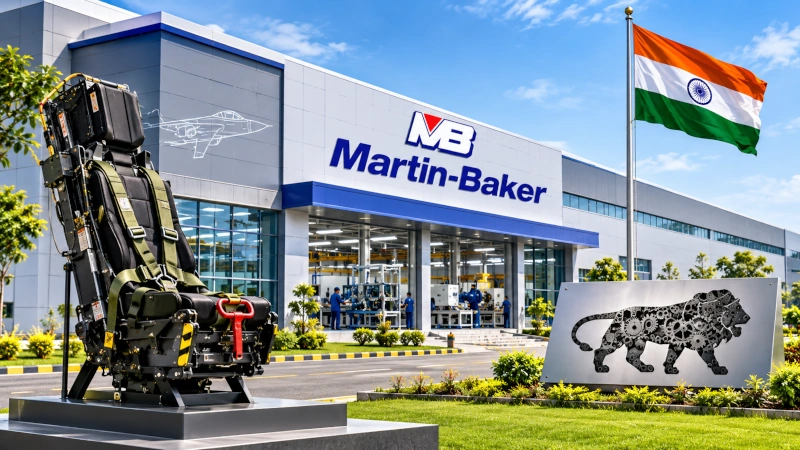
Martin-Baker Plans ₹380 Crore Ejection Seat Manufacturing Facility in Karnataka

An aircraft ejection seat is a sophisticated safety system incorporating multiple mechanical, structural and electronic components. Depending on its design, the system may include propulsion mechanisms, seat stabilisation equipment, parachute deployment arrangements and automatic sequencing technologies that enable the pilot to separate safely from an aircraft during an emergency.

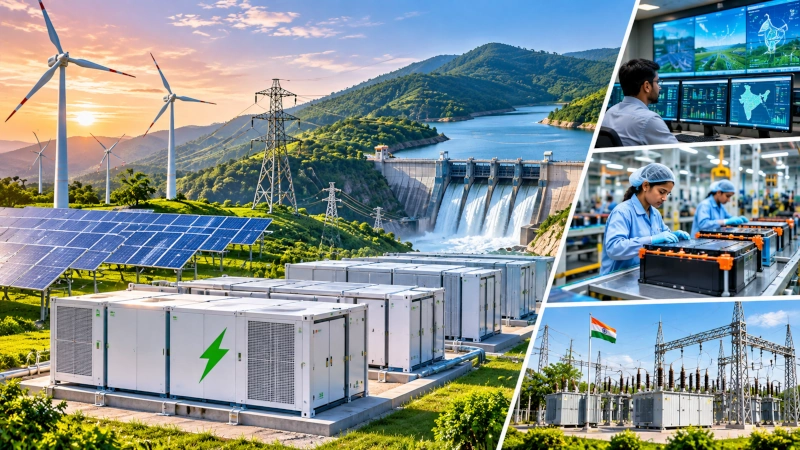
Cabinet Approves ₹14,500 Crore Scheme to Develop 92 GWh Energy Storage Capacity, Targets ₹97,600 Crore Investment

According to the Ministry of Power, the additional capacity supported under the scheme will be equivalent to approximately 170% of India’s existing grid-scale energy storage capacity. The programme will also contribute towards meeting the country’s projected requirement of 411 GWh of grid-scale energy storage by 2031–32, reflecting the substantial infrastructure expansion needed to accommodate increasing renewable electricity generation.

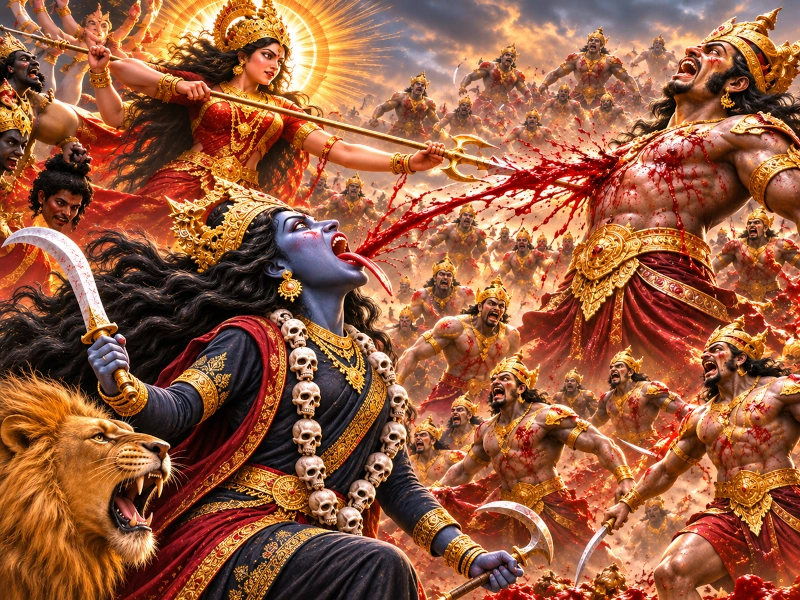
The Battle Against Raktabīja: Battlefield Proliferation, Tactical Adaptation and Kālī’s Decisive Countermeasure

The battle arises during the continuing struggle between the Goddess and the armies of Śumbha and Niśumbha. In the preceding chapter, Kālī destroys the powerful commanders Caṇḍa and Muṇḍa, after which Caṇḍikā bestows upon her the name Cāmuṇḍā. Their destruction represents a substantial defeat for the asura forces, but it does not end the wider conflict.

Categories