Kautilya

Vaikom Mahadeva Temple: The Ancient Abode of Vaikkathappan in Kottayam

Vaikom is often called the Kasi of the South, not merely because it is an important Shiva kshetra, but because the temple carries the spiritual atmosphere of an old pilgrimage centre. Unlike many shrines known only to one sectarian tradition, Vaikom Mahadeva Temple is held in reverence by both Shaivites and Vaishnavites, giving it a wider devotional identity in Kerala’s sacred geography.

NHAI–Norwegian Geotechnical Institute Pact: A Smart Step for Safer Tunnels and Stronger Hill Roads

The agreement was signed recently in Oslo and is aimed at bringing advanced international expertise into India’s highway planning, tunnel construction, slope stability analysis, slope monitoring and institutional capacity building. According to the Ministry of Road Transport and Highways, the collaboration will help NHAI strengthen technical capabilities for developing National Highways to global standards, especially in geologically sensitive and challenging terrains.

PM Modi to Distribute Over 51,000 Appointment Letters at 19th Rozgar Mela

Since its launch, the Rozgar Mela has become one of the major platforms through which the Government of India has accelerated the distribution of appointment letters to selected candidates. According to the Prime Minister’s Office, around 12 lakh recruitment letters have already been issued through the previous 18 Rozgar Melas organised across the country.

Agni-I Test Launch: India Validates the Readiness of Its Short-Range Strategic Deterrent

The missile is generally assessed to have a range of around 700 km, with an estimated payload capacity of about 1,000 kg. Open-source technical assessments describe Agni-I as roughly 15 metres long, around 1 metre in diameter, and solid-fuelled, making it a compact and mobile member of the Agni family. Its shorter range gives India a focused strategic option within the regional theatre, while its solid-fuel configuration supports faster readiness compared to older liquid-fuel systems.

India and Cyprus Elevate Ties to Strategic Partnership During President Nikos Christodoulides’ State Visit

One of the most important outcomes was the signing of an MoU to establish a Joint Working Group on counter-terrorism. This reflects the growing convergence between India and Cyprus on security challenges, particularly at a time when both nations recognise the need for stronger international cooperation against terrorism, radical networks, organised crime and security threats that cross national borders. The mechanism is expected to give both sides a structured platform for dialogue, coordination and exchange of expertise.

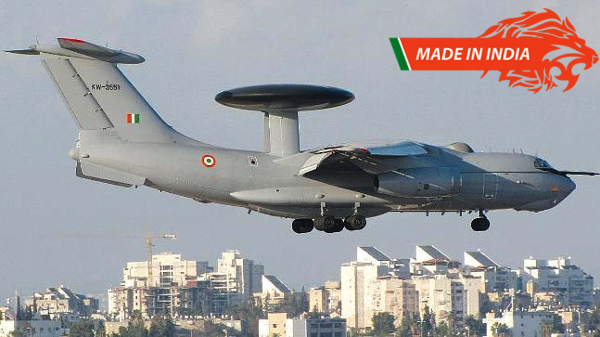
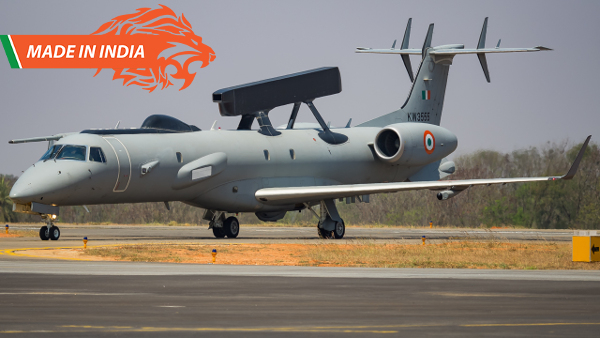
India-Israel Radar Manufacturing Push in Tamil Nadu Marks a New Step in Defence Electronics Self-Reliance

The new plant is expected to serve as a specialised centre for the manufacture, integration and testing of advanced radar systems. Its focus will include high-end radar technologies for airborne and ground-based applications, supporting both Indian defence requirements and potential international demand. Construction is expected to be completed by April 2027, with production planned to begin soon after.

Before Nash: How Kautilya’s Arthashastra Anticipated the Logic of Game Theory

That is why the modern comparison between Kautilya and Nash is so fascinating. John Nash’s contribution to game theory was mathematical and formal. A Nash equilibrium describes a situation where no player can improve their outcome by changing strategy alone, assuming the other players keep their strategies unchanged. Stanford’s philosophy entry explains Nash equilibrium as a set of strategies where each player has no incentive to change given what the others are doing.

India Plans National Registry for Implantable Medical Devices to Strengthen Patient Safety and Accountability

According to reports, the registry is being considered at a high level and is expected to create a centralised mechanism for collecting data from hospitals, manufacturers, suppliers and healthcare providers. In the first phase, the focus is likely to be on cardiac and orthopaedic implants, before gradually expanding to other categories of medical devices. This phased approach is practical because cardiac stents, pacemakers, joint replacements and spinal implants are among the most commonly used high-risk devices in Indian hospitals.

UPI Handles 85.5% of India’s Digital Payment Transactions in H2 2025, Showing the Scale of India’s Cashless Economy

The numbers clearly show that UPI is now the backbone of India’s mass retail digital payments system. While UPI dominated transaction volume, other systems continued to serve their own specialised roles. NEFT and Prepaid Payment Instruments each accounted for 3.6% of transaction volume, while RTGS contributed only 0.1% of transaction volume because it is mainly used for large-value settlements.