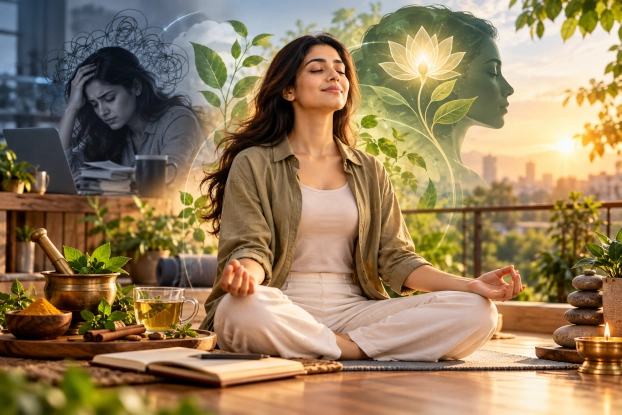
Anxiety has become an increasingly common experience in modern life, affecting people across different age groups and occupations. Constant mental activity, professional pressures, irregular sleeping habits, excessive digital stimulation and uncertainty about the future can contribute to persistent worry and emotional restlessness. While occasional anxiety is a natural response to challenging situations, prolonged anxiety can disturb sleep, concentration, digestion and overall well-being.
Ayurveda, India’s traditional system of medicine, approaches mental well-being through the relationship between the body, mind, senses and daily habits. Rather than viewing emotional health in isolation, Ayurvedic teachings emphasise balanced routines, appropriate nutrition, restorative sleep, physical activity and the cultivation of mental steadiness.
Classical Ayurvedic literature describes the mind through concepts such as Manas (mind), Sattva (clarity and equilibrium), Rajas (activity and restlessness) and Tamas (inertia and dullness). It also recognises the relationship between mental experiences and the three bodily Doshas—Vata, Pitta and Kapha.
The Ayurvedic approach to a calmer mind does not depend upon a single remedy. Instead, it encourages a sustainable way of living that reduces unnecessary stimulation, supports physical health and creates opportunities for emotional recovery.
Many of these traditional lifestyle principles, particularly regular sleep, physical activity, mindful breathing and relaxation, are consistent with contemporary recommendations for managing stress and supporting mental health. However, persistent anxiety disorders require proper clinical assessment, and Ayurvedic lifestyle practices should complement rather than replace established psychological or medical treatments.
Understanding Anxiety Through the Ayurvedic Concept of Manas
In Ayurveda, Manas refers to the mind and its role in receiving sensory information, processing experiences, directing attention and influencing behaviour.
The classical texts recognise that mental experiences and bodily functions are interconnected. Emotional disturbances may influence appetite, sleep, energy levels and daily activities, while physical discomfort and irregular habits can affect mental well-being.
Ayurveda describes several states of mental disturbance, including Chinta (worry), Bhaya (fear), Shoka (grief) and Udvega (agitation or emotional disturbance). These terms describe traditional observations of human emotions rather than direct equivalents of modern psychiatric diagnoses.
Persistent worry may occupy attention throughout the day, making it difficult to concentrate on ordinary responsibilities. Some individuals experience physical sensations such as muscular tension, digestive discomfort, restlessness or interrupted sleep.
The Ayurvedic approach encourages examining the wider circumstances associated with these experiences. Daily routines, eating patterns, sleep quality, emotional stress and environmental influences all form part of the traditional assessment.
Modern medicine similarly recognises that anxiety can involve psychological and physical symptoms. However, anxiety disorders have specific clinical characteristics and cannot be diagnosed solely through Ayurvedic descriptions of mental qualities or Dosha imbalance.
Vata Dosha and the Ayurvedic Understanding of Mental Restlessness
Among the three Doshas, Vata receives particular attention in Ayurvedic discussions of restlessness, irregularity and nervous activity.
Vata is traditionally associated with movement and is described through qualities such as lightness, dryness, coldness, mobility and variability. Ayurvedic theory connects Vata with bodily movement, sensory activity and several aspects of nervous system functioning.
When Vata becomes aggravated, classical descriptions associate it with disturbances involving sleep, fluctuating energy, excessive mental activity and difficulty maintaining regular habits.
An individual experiencing frequent changes in routine, inadequate sleep, irregular meals and continuous mental stimulation may therefore be described in Ayurvedic terms as exhibiting Vata-aggravating influences.
The traditional approach to balancing Vata emphasises regularity, warmth, adequate nourishment, rest and moderation in activity.
Establishing consistent mealtimes, maintaining a predictable sleep schedule and allowing sufficient periods of rest are commonly recommended.
These practices may support emotional well-being by reducing avoidable disruptions to daily life. Nevertheless, Vata imbalance is a traditional explanatory concept and should not be treated as a scientifically established cause or diagnostic test for anxiety disorders.
Sattva, Rajas and Tamas: The Three Qualities of the Mind
Ayurveda describes three fundamental mental qualities, or Triguna, that influence psychological tendencies and behaviour.
Sattva represents clarity, understanding, stability, contentment and balanced judgement. It is traditionally associated with a calm, attentive and emotionally steady mind.
Rajas represents activity, stimulation, desire and movement. It supports purposeful action, but excessive Rajasic activity is traditionally associated with agitation, impatience and persistent mental restlessness.
Tamas represents heaviness, inertia and reduced mental activity. Although rest and inactivity have their place in daily life, excessive Tamas is traditionally associated with lethargy, confusion and diminished motivation.
Ayurvedic teachings emphasise cultivating Sattva while maintaining a balanced relationship with Rajas and Tamas.
This does not mean eliminating activity or avoiding periods of rest. Instead, the traditional objective is to maintain sufficient energy for daily responsibilities without allowing overstimulation or inactivity to dominate one’s lifestyle.
Practices associated with cultivating Sattva include orderly routines, moderate physical activity, appropriate food, thoughtful speech, meaningful work and time for reflection.
The Ministry of Ayush’s publications on yoga and mental health also discuss the Triguna framework as part of India’s traditional understanding of psychological well-being.
Dinacharya: Why a Regular Daily Routine Supports Mental Calmness
Dinacharya, the Ayurvedic concept of daily routine, forms an important foundation for maintaining physical and mental well-being.
Classical Ayurveda recommends organising daily activities around a consistent pattern of waking, personal hygiene, meals, physical activity and rest.
The underlying principle is that regular habits support bodily functioning and reduce unnecessary disturbances caused by an unpredictable lifestyle.
For individuals experiencing anxiety, daily irregularity can add another source of stress. Frequently changing sleep schedules, skipping meals and working late into the night may contribute to fatigue and difficulty managing everyday demands.
A practical Dinacharya begins with waking at approximately the same time each morning, followed by personal hygiene and a period of gentle physical movement.
Breakfast and other meals can be arranged at consistent times, while work should include reasonable intervals for rest and recovery.
The evening routine should gradually reduce physical and mental stimulation, allowing sufficient time to prepare for sleep.
Regularity need not become a rigid obligation. The objective is to establish a comfortable pattern that provides stability while accommodating work, family responsibilities and individual circumstances.
The World Health Organization also recommends regular eating and sleeping habits as supportive measures for people managing anxiety symptoms.
Waking Early and Beginning the Day Without Mental Overstimulation
Ayurvedic daily routines traditionally encourage waking before sunrise, particularly during Brahma Muhurta, a period associated with reflection, study and contemplative practices.
Classical descriptions regard the early morning as a favourable time for activities requiring mental clarity and concentration.
In contemporary life, however, the benefits of waking early must be considered alongside the need for adequate sleep.
An individual who regularly sleeps after midnight should not sacrifice necessary rest merely to wake before sunrise. Insufficient sleep can worsen emotional regulation, concentration and anxiety symptoms.
A more practical approach involves maintaining consistent sleep and waking times while allowing enough opportunity for restorative rest.
Beginning the day calmly can help establish a more measured pattern of activity.
Immediately checking work messages, financial updates or social media may expose the mind to demanding information before ordinary morning activities have begun.
Instead, a person may benefit from allowing a short period for natural waking, hydration, personal hygiene and quiet reflection.
The traditional Ayurvedic preference for an orderly morning can therefore be adapted to modern circumstances without creating additional pressure.
Abhyanga: The Traditional Practice of Warm Oil Massage
Abhyanga, or oil massage, is an important component of classical Ayurvedic self-care.
The practice traditionally involves applying suitable oil to the body using gentle, rhythmic movements. Ayurveda particularly associates oil massage with the nourishment of bodily tissues, the reduction of dryness and the balancing of Vata.
Warm oil massage is commonly included in routines intended to encourage physical relaxation and comfortable sleep.
For individuals experiencing muscular tension after prolonged work or stressful activities, gentle massage may provide a pleasant opportunity to relax.
Sesame oil is traditionally used in Vata-oriented routines, although oil selection should consider the individual’s skin condition, climate and personal tolerance.
A simple home practice may involve applying a small quantity of comfortably warm oil to the arms, legs and feet, followed by gentle massage.
The massage should remain comfortable and should not involve excessive pressure. Individuals with skin inflammation, open wounds, infections, suspected blood clots or other relevant medical conditions should obtain appropriate advice before undertaking massage.
Research concerning massage and anxiety remains limited, and Abhyanga has not been established as a treatment for anxiety disorders. Its role is better understood as a traditional relaxation practice that some individuals may find helpful as part of general self-care.
Nidra: Restorative Sleep and Emotional Well-Being
Nidra, or sleep, holds a prominent position in Ayurvedic teachings.
The classical Charaka Samhita identifies sleep as one of the three supporting pillars of life, alongside appropriate food and regulated sexual conduct.
Ayurveda recognises the importance of sleep for physical restoration, mental clarity and general well-being.
Insufficient or disturbed sleep can affect emotional regulation, concentration and the ability to respond calmly to stressful situations.
Anxiety and poor sleep can also reinforce one another. Persistent worry may delay sleep, while inadequate rest can make ordinary challenges feel more difficult to manage.
Maintaining consistent sleeping and waking times provides a practical foundation for improving sleep quality.
A comfortable sleeping environment, reduced evening noise and less exposure to stimulating activities before bedtime may support relaxation.
Heavy meals immediately before sleeping can cause discomfort in some individuals, while excessive caffeine late in the day may interfere with sleep onset.
The National Institute of Mental Health identifies adequate sleep and reduced caffeine intake as useful lifestyle measures for people experiencing anxiety symptoms.
Ayurveda’s emphasis on Nidra therefore offers a traditional framework for recognising the importance of restorative rest in maintaining emotional balance.
Ahara: The Ayurvedic Relationship Between Food and Mental Well-Being
Ayurveda considers Ahara, or food, an essential influence on bodily health and mental functioning.
Classical dietary guidance emphasises freshness, appropriate quantity, regular mealtimes and foods suited to an individual’s digestive capacity.
The traditional concept of Agni, often translated as digestive fire, represents the processes associated with digestion and transformation.
Ayurveda recommends maintaining regular eating habits and avoiding patterns that repeatedly disturb digestion.
For individuals experiencing anxiety, prolonged fasting, skipped meals or excessive consumption of stimulating beverages may sometimes contribute to physical discomfort.
A balanced diet containing vegetables, fruits, whole grains, adequate protein and healthy fats provides nutrients needed for normal physiological functioning.
Traditional Ayurvedic meals often include freshly prepared rice, vegetables, pulses and other foods selected according to season, appetite and digestion.
Warm, freshly cooked meals are frequently recommended in Vata-oriented dietary routines because Ayurveda associates them with nourishment and digestive comfort.
However, food temperature alone does not determine its nutritional value or suitability.
The most useful approach combines traditional attention to mealtime regularity with modern nutritional principles, ensuring that meals provide adequate energy and essential nutrients.
Sattvic Food and the Traditional Idea of Mental Clarity
Ayurvedic and related Indian philosophical traditions describe certain foods as Sattvic, associating them with clarity, moderation and mental steadiness.
Sattvic dietary patterns generally emphasise simple, fresh and appropriately prepared foods.
Common examples include freshly cooked grains, seasonal vegetables, fruits, milk where tolerated, legumes and moderate quantities of suitable fats.
The traditional emphasis is not merely on individual ingredients but also on food quality, preparation, quantity and eating behaviour.
Eating slowly in a comfortable environment may help individuals become more aware of hunger, fullness and digestive comfort.
The practice of Mindful Eating has parallels with Ayurvedic guidance encouraging attention during meals.
Constantly checking messages, watching distressing news or working while eating may reduce awareness of eating patterns and contribute to rushed meals.
Creating a calm environment for meals is therefore a practical way to incorporate traditional dietary principles into modern life.
Although Ayurveda associates Sattvic food with mental clarity, scientific evidence does not establish that a particular Ayurvedic food category can independently prevent or treat an anxiety disorder.
Caffeine, Irregular Meals and Excessive Stimulation
Modern lifestyles often involve frequent consumption of coffee, strong tea, energy drinks and other caffeinated beverages.
Caffeine stimulates the central nervous system and can increase alertness. However, excessive consumption may contribute to nervousness, sleep disturbances and physical sensations that resemble anxiety.
Some individuals are more sensitive to caffeine than others and may experience palpitations, restlessness or difficulty sleeping even after relatively modest quantities.
Reducing caffeine intake may be helpful for those who notice that it aggravates their symptoms.
Ayurveda’s broader principle of moderation can be applied to these habits without requiring complete avoidance of beverages that are otherwise well tolerated.
The timing of meals also deserves attention. Long gaps between meals may cause fatigue or discomfort in some individuals, particularly when combined with demanding work schedules.
Maintaining regular meals, adequate hydration and a balanced diet supports general health and may make daily stress easier to manage.
Pranayama: Gentle Breathing Practices for Mental Relaxation
Pranayama refers to the regulation of breathing through practices associated with the classical yoga tradition.
Breathing exercises are often incorporated into Ayurvedic lifestyle programmes because yoga and Ayurveda share a longstanding emphasis on the relationship between physical activity, breathing and mental well-being.
Gentle breathing practices can provide a structured opportunity to reduce mental stimulation and focus attention on the present moment.
Slow, comfortable breathing may help reduce the physiological arousal associated with ordinary stress.
One commonly practised technique is Nadi Shodhana, or alternate-nostril breathing.
The traditional practice involves breathing gently through alternating nostrils in a controlled and unhurried manner.
Another practice, Bhramari Pranayama, involves producing a soft humming sound during exhalation. Some individuals find this helpful for relaxation because the practice encourages slow breathing and focused attention.
Beginners should avoid prolonged breath-holding, forceful breathing and techniques that produce dizziness or discomfort.
Individuals with respiratory or cardiovascular conditions should seek appropriate guidance before undertaking specialised breathing practices.
Scientific studies suggest that breathing and relaxation techniques may help some individuals manage anxiety symptoms. However, these practices are not substitutes for clinically established treatment when an anxiety disorder is present.
Yoga and Gentle Physical Activity for Emotional Balance
Ayurveda recognises Vyayama, or physical exercise, as an important part of maintaining health.
Classical guidance recommends exercise appropriate to the individual’s strength, age, season and physical condition.
Moderate activity is generally preferred over excessive exertion, particularly when a person is already experiencing fatigue or physical discomfort.
Gentle yoga practices may combine physical movement, controlled breathing and relaxation.
Postures such as Sukhasana and Shavasana are commonly used in relaxation-oriented routines.
Sukhasana provides a comfortable seated position for breathing and meditation, while Shavasana involves resting in a supported lying position.
A person may also benefit from gentle stretching, walking or other forms of comfortable physical activity.
The National Center for Complementary and Integrative Health reports that yoga may help reduce anxiety symptoms in some populations, although evidence remains insufficient to establish it as a primary treatment for diagnosed anxiety disorders.
For people experiencing persistent anxiety, regular physical activity can form part of an overall care plan alongside appropriate professional treatment.
Sattvavajaya Chikitsa: Ayurveda’s Approach to Mental Regulation
Sattvavajaya Chikitsa is a classical Ayurvedic approach concerned with strengthening mental regulation and reducing the influence of unhelpful mental preoccupations.
The Charaka Samhita describes Sattvavajaya through the principle of withdrawing the mind from objects considered harmful or unsuitable.
The approach involves cultivating understanding, patience, self-awareness and greater control over attention and behaviour.
In traditional practice, Sattvavajaya may include supportive guidance, reflection, regulation of sensory experiences and the development of constructive habits.
The Central Council for Research in Ayurvedic Sciences identifies Sattvavajaya as an important component of Ayurveda’s approach to mental health.
The principle has some broad similarities with modern psychological approaches that encourage people to recognise unhelpful thought patterns and develop more adaptive responses.
However, Sattvavajaya and contemporary psychological therapies are distinct systems with different theoretical foundations.
Cognitive Behavioural Therapy, for example, has been extensively studied and is an established treatment for several anxiety disorders.
Ayurvedic mental regulation practices may serve as complementary tools for reflection and self-awareness, but they should not be described as clinically equivalent to evidence-based psychotherapy.
Meditation and Mindful Attention
Meditation is widely associated with the cultivation of mental steadiness in Indian philosophical and contemplative traditions.
The objective is not necessarily to eliminate thoughts but to develop a more stable relationship with mental activity.
During meditation, a person may focus attention on breathing, a chosen sound or another suitable object of concentration.
When thoughts arise, attention is gently returned to the selected focus without attempting to suppress every mental experience.
A short practice of five to ten minutes may provide a manageable starting point for beginners.
The duration can be adjusted according to comfort and individual preference.
Mindfulness-based practices have shown promise in reducing anxiety symptoms, although their effectiveness varies according to the method, individual circumstances and the presence of diagnosed mental health conditions.
Some people may find silent meditation uncomfortable or notice increased anxiety when concentrating intensely on internal sensations.
In such circumstances, walking meditation, gentle movement or professionally guided relaxation may be more suitable.
The Ayurvedic emphasis on moderation remains relevant: mental practices should support well-being rather than become another source of pressure.
Sensory Regulation and the Importance of a Calm Environment
Ayurveda places considerable importance on the relationship between the senses and mental well-being.
The classical concept of Indriya, or the sense faculties, recognises that sensory experiences influence attention, emotional responses and daily functioning.
Modern life exposes individuals to continuous streams of information through mobile phones, computers, television and digital communication platforms.
Although these technologies provide important practical benefits, excessive exposure to distressing information can contribute to worry and mental fatigue.
Ayurvedic principles of moderation encourage individuals to develop a more balanced relationship with sensory experiences.
Designating periods without unnecessary notifications, avoiding continuous news consumption and allowing quiet intervals during the day can reduce avoidable stimulation.
Spending time outdoors, listening to comfortable music or engaging in enjoyable activities may also provide opportunities for relaxation.
The objective is not complete withdrawal from digital communication but a more deliberate pattern of use.
Such habits can complement established stress-management strategies by creating predictable periods of reduced mental demand.
Sadvrtta: Ethical Conduct, Relationships and Emotional Stability
Sadvrtta refers to the codes of personal and social conduct described in classical Ayurvedic literature.
The concept includes moderation in behaviour, thoughtful communication, personal discipline, respect for others and the cultivation of constructive relationships.
Ayurveda regards appropriate social conduct as part of maintaining mental and physical well-being.
Constant interpersonal conflict, excessive competition and unresolved disagreements can contribute to emotional stress.
Developing supportive relationships and maintaining respectful communication may help individuals manage ordinary life challenges more effectively.
Sadvrtta also encourages reflection upon one’s actions and the consequences of behaviour.
This approach can be understood as a traditional framework for creating greater consistency between personal values, daily activities and social responsibilities.
Modern mental health guidance similarly recognises the importance of supportive relationships and social connection.
Maintaining contact with trusted friends, family members or community groups can provide emotional support during difficult periods.
Ritucharya: Adapting Daily Habits to Seasonal Changes
Ritucharya refers to the seasonal adjustment of diet and lifestyle recommended in Ayurveda.
The classical system recognises that changes in temperature, humidity, daylight and environmental conditions influence daily habits and physical comfort.
Ayurvedic recommendations therefore vary according to season, climate and individual constitution.
During colder weather, traditional Vata-oriented guidance often emphasises warmth, adequate nourishment and protection from excessive cold exposure.
During hot weather, lighter activity, suitable hydration and avoidance of excessive heat may be more appropriate.
The monsoon season receives particular attention in classical Ayurveda because changes in humidity, digestion and routine are traditionally considered important.
For individuals experiencing anxiety, maintaining comfortable sleeping conditions, regular meals and appropriate activity throughout seasonal changes can support general well-being.
Seasonal adjustments should remain practical and consistent with individual health requirements.
The Ayurvedic concept of Ritucharya provides a reminder that lifestyle routines should respond to environmental conditions rather than remain unnecessarily rigid throughout the year.
Ayurvedic Herbs Traditionally Associated with Mental Well-Being
Classical Ayurveda describes several medicinal plants used in formulations intended to support cognition, sleep or mental well-being.
Brahmi (Bacopa monnieri) is traditionally classified among plants associated with memory and intellectual functioning.
Mandukaparni (Centella asiatica) also appears in Ayurvedic literature in connection with cognitive and mental health applications.
Ashwagandha (Withania somnifera) is traditionally used in certain restorative preparations and has attracted modern research interest for its possible effects on stress and sleep.
Jatamansi (Nardostachys jatamansi) is another plant described in traditional formulations associated with calming or restorative purposes.
These herbs should not be treated as interchangeable remedies or universally appropriate treatments for anxiety.
Clinical evidence varies substantially between products, preparations and indications. Some herbs may interact with prescription medicines or cause adverse effects.
For example, ashwagandha may affect thyroid function and has been associated with rare cases of liver injury. It is also generally avoided during pregnancy.
Herbal products may differ in ingredient identity, concentration, purity and quality.
Certain traditional formulations containing metals or minerals can present additional safety concerns when manufacturing and quality standards are inadequate.
Anyone considering Ayurvedic medicines for persistent anxiety should consult a qualified Ayurvedic physician and inform their regular healthcare provider about all medicines and supplements being used.
When Anxiety Requires Professional Medical Attention
Occasional worry is a normal part of human experience, particularly during examinations, major decisions, financial difficulties or stressful life events.
However, anxiety becomes a medical concern when fear or worry persists, becomes difficult to control or interferes with everyday functioning.
Symptoms may include persistent apprehension, difficulty concentrating, restlessness, sleep disturbances, muscular tension, irritability and physical sensations such as a racing heartbeat.
Some individuals experience panic attacks involving sudden intense fear, rapid breathing, dizziness or chest discomfort.
These symptoms can have several possible causes and should not automatically be attributed to an Ayurvedic imbalance.
A qualified healthcare professional can assess whether the symptoms are related to an anxiety disorder, another medical condition, medication effects or other contributing factors.
Evidence-based treatments include psychological therapies such as Cognitive Behavioural Therapy and, where appropriate, medication.
The World Health Organization and National Institute of Mental Health emphasise that anxiety disorders are treatable and that professional care can substantially improve functioning and quality of life.
New or severe chest pain, fainting or significant breathing difficulty requires urgent medical evaluation. Thoughts of self-harm also require immediate professional or emergency support.
Ayurvedic lifestyle practices can complement appropriate treatment by supporting sleep, physical activity, nutrition and relaxation.
Developing a Practical Ayurvedic Routine for a Calmer Mind
A practical Ayurvedic approach to everyday mental well-being begins with consistency rather than complicated rituals.
The morning can start with waking at a regular time, completing personal hygiene and allowing a short period for gentle movement or quiet reflection.
A comfortable breakfast can follow, with subsequent meals arranged at reasonably consistent times.
During working hours, short breaks can provide opportunities to stretch, walk or practise gentle breathing.
Maintaining regular hydration and avoiding excessive caffeine may also support comfort and concentration.
In the evening, reducing unnecessary stimulation can help prepare the body and mind for sleep.
Activities such as reading, quiet conversation, gentle stretching or a warm bath may form part of a relaxing bedtime routine.
Some individuals may also enjoy traditional practices such as gentle oil massage or brief meditation.
The routine should remain adaptable to personal circumstances, medical conditions and individual preferences.
Its purpose is to support physical and emotional well-being through manageable habits rather than impose an elaborate schedule that becomes difficult to maintain.
Modern Research and the Relevance of Ayurvedic Lifestyle Principles
Several lifestyle practices emphasised in Ayurveda overlap with recommendations supported by modern health research.
Regular physical activity, consistent sleep, balanced nutrition and relaxation practices can contribute to improved general well-being and may help reduce certain anxiety symptoms.
Research also suggests that yoga and mindfulness-based practices can be useful complementary approaches for some individuals.
However, these findings do not establish that the Ayurvedic theories of Dosha imbalance or mental Gunas explain the biological causes of anxiety.
Similarly, evidence supporting individual lifestyle practices should not be interpreted as proof that Ayurveda as a complete medical system can cure anxiety disorders.
The National Center for Complementary and Integrative Health notes that research on Ayurvedic medicine remains limited for many conditions and that complementary approaches should not delay effective medical treatment.
India’s Central Council for Research in Ayurvedic Sciences has published dietary and lifestyle guidance for mental health and has undertaken reviews of Ayurvedic interventions for anxiety disorders.
These activities contribute to ongoing research into traditional approaches while highlighting the importance of scientific evaluation, treatment safety and appropriate clinical care.
An integrated approach can therefore respect Ayurveda’s traditional understanding of daily living while recognising the value of modern psychological and medical treatment.
Ayurveda’s Enduring Principle: A Calmer Mind Begins with Balanced Living
Ayurveda’s approach to mental well-being rests upon a simple but enduring principle: physical habits, emotional experiences and daily surroundings influence one another.
Through concepts such as Dinacharya, Nidra, Ahara, Sattvavajaya and Sadvrtta, the classical system encourages individuals to cultivate regularity, moderation, self-awareness and thoughtful conduct.
These principles remain relevant in a world characterised by continuous digital communication, demanding work schedules and frequent mental stimulation.
A balanced routine cannot eliminate every source of anxiety, nor can traditional self-care replace professional treatment when a mental health condition is present.
Nevertheless, regular sleep, nourishing meals, appropriate physical activity, gentle breathing practices and meaningful social connections provide a foundation for everyday emotional well-being.
Ayurveda encourages these practices not merely as occasional responses to stress but as part of a sustainable approach to healthy living.
By combining traditional wisdom with evidence-based mental healthcare, individuals can develop routines that support greater mental steadiness, physical comfort and emotional resilience.
The pursuit of a calmer mind is therefore not about avoiding every challenge or suppressing every difficult thought. It is about developing the habits, awareness and supportive conditions that make life’s challenges easier to approach with clarity and balance.
References
1. Charaka Samhita — Classical Ayurvedic Text
Relevant sections: Sutra Sthana and Sharira Sthana.
Topics: Manas, Triguna, Nidra, Ahara, mental well-being and Sattvavajaya Chikitsa.
2. Ashtanga Hridaya — Vagbhata
Section: Sutra Sthana, Chapters 2 and 3.
Topics: Dinacharya, Abhyanga, Vyayama, daily conduct and Ritucharya.
3. Central Council for Research in Ayurvedic Sciences (CCRAS), Ministry of Ayush
Publication: Ayurveda-Based Dietary and Lifestyle Advocacy for Mental Health and Psychiatric Disorders
Date: July 30, 2024.
Details: Traditional dietary guidance, lifestyle recommendations and Ayurvedic approaches to mental well-being.
https://ccras.nic.in/ayurveda-based-dietary-and-lifestyle-advocacy-for-mental-health-psychiatric-disorders/
4. Central Council for Research in Ayurvedic Sciences (CCRAS)
Publication: Ayurveda-Based Dietary Guidelines for Mental Disorders
Details: Sattvavajaya Chikitsa, mental regulation and traditional approaches to mental health.
https://ccras.nic.in/wp-content/uploads/2024/07/Ayurveda-Based_Dietary_Guidelines_Mental_Disorders.pdf
5. Morarji Desai National Institute of Yoga, Ministry of Ayush
Publication: Yoga for Mental Health
Details: Triguna theory, mental well-being and the traditional relationship between yoga and psychological health.
https://www.y-break.ayush.gov.in/files/pdf/YogaforMentalHealth.pdf
6. World Health Organization (WHO)
Publication: Anxiety Disorders
Details: Symptoms, established treatments, physical activity, sleep, relaxation and self-care.
https://www.who.int/news-room/fact-sheets/detail/anxiety-disorders
7. National Institute of Mental Health (NIMH), United States
Publication: Generalized Anxiety Disorder: What You Need to Know
Details: Anxiety symptoms, Cognitive Behavioural Therapy, medication, sleep and healthy lifestyle practices.
https://www.nimh.nih.gov/health/publications/generalized-anxiety-disorder-gad
8. National Center for Complementary and Integrative Health (NCCIH)
Publication: Anxiety and Complementary Health Approaches
Details: Scientific evidence concerning yoga, mindfulness, relaxation and complementary approaches to anxiety.
https://www.nccih.nih.gov/health/anxiety-and-complementary-health-approaches
9. National Center for Complementary and Integrative Health (NCCIH)
Publication: Ayurvedic Medicine: In Depth
Details: Scientific evidence, herbal medicine safety, product quality and potential risks.
https://www.nccih.nih.gov/health/ayurvedic-medicine-in-depth
10. National Center for Complementary and Integrative Health (NCCIH)
Publication: Yoga: Effectiveness and Safety
Details: Research concerning yoga, anxiety symptoms, sleep, stress management and appropriate safety precautions.
https://www.nccih.nih.gov/health/yoga-effectiveness-and-safety
You may also like
-
Ayurveda and Emotional Eating: Understanding How Stress, Emotions and Food Affect Digestion
-
India Records 21% Decline in Tuberculosis Incidence as National TB Elimination Efforts Progress
-
Bengaluru Startup ImmunitoAI Uses Artificial Intelligence to Develop Next-Generation Antibody Medicines
-
Mindful Eating in Ayurveda: Why Paying Attention to Food Is Essential for Healthy Digestion
-
Ministry of Ayush Issues Standard Treatment Guidelines for Skin Disorders Across Ayurveda, Siddha, Unani and Homoeopathy
