Dr Reddy’s Laboratories has entered into an exclusive collaboration with Japan’s Takeda Pharmaceutical Company to promote and distribute QDENGA, India’s first dengue vaccine to receive marketing authorisation from the Central Drugs Standard Control Organisation. The vaccine is expected to become available through India’s private healthcare market during the first half of 2027, subject to completion of the remaining local regulatory and operational processes.
The agreement, announced on 18 September 2026, gives Dr Reddy’s responsibility for promotion and distribution of QDENGA in India’s private market for eligible paediatric and adult individuals. Takeda will retain ownership of the vaccine, overall medical and brand oversight and the rights to promote and distribute it through India’s public market.
CDSCO Approved QDENGA in July 2026
CDSCO granted marketing authorisation for Takeda’s tetravalent dengue vaccine in July 2026. The regulator’s official vaccine database lists the dengue tetravalent live attenuated vaccine of Takeda Biopharmaceuticals India among vaccines approved during the year.
The approval covers individuals aged four to 60 years. It followed regulatory evaluation that included data from a Phase III clinical study conducted in India involving healthy participants within the same age range.
The approval represents an important development for dengue prevention in India because the country previously did not have a CDSCO-approved dengue vaccine available for routine commercial use.
Dr Reddy’s Gets Exclusive Private-Market Rights
Under the agreement, Dr Reddy’s will become Takeda’s exclusive partner for promoting and distributing QDENGA in India’s private paediatric and adult vaccination market.
The collaboration will include engagement with healthcare professionals, dengue awareness activities, vaccine promotion and distribution in accordance with Indian regulatory requirements. Dr Reddy’s extensive commercial and healthcare network is expected to provide Takeda with a nationwide route to private hospitals, clinics and vaccination providers once commercial supply begins.
Takeda will continue to provide expertise in dengue prevention, vaccine science, medical affairs, regulatory strategy and brand oversight.
Public-Market Rights Remain With Takeda
The collaboration does not transfer QDENGA’s public-sector rights to Dr Reddy’s. Takeda has retained the right to promote and distribute the vaccine within India’s public market.
This distinction could become important if India eventually considers the vaccine for a government-supported immunisation programme. Takeda has described inclusion within India’s public immunisation framework as a longer-term objective, while the immediate pathway focuses on making the vaccine available through the private market.
A Parliamentary Committee on Health has also recommended consideration of dengue vaccination within the Universal Immunisation Programme, although no decision to introduce QDENGA into the national programme has been announced.
QDENGA Targets All Four Dengue Serotypes
QDENGA, also known by its development designation TAK-003, is a live-attenuated tetravalent dengue vaccine designed to generate an immune response against all four dengue virus serotypes.
The vaccine is built around a dengue virus type 2 backbone, with structural proteins representing dengue virus types 1, 3 and 4 incorporated into the vaccine design. This allows a single vaccine platform to target DENV-1, DENV-2, DENV-3 and DENV-4.
The ability to address all four serotypes is particularly relevant in India because multiple dengue serotypes circulate simultaneously across different regions. Indian surveillance has documented co-circulation of all four major dengue virus serotypes.
Two Doses Given Three Months Apart
QDENGA is administered as a two-dose vaccination schedule, with the second dose given three months after the first.
The vaccine has been evaluated through a large international clinical development programme involving more than 60,000 participants. Its pivotal TIDES Phase III study included participants across dengue-endemic countries in Asia and Latin America and continued follow-up for seven years.
Takeda has reported sustained protection against dengue illness and hospitalisation during long-term follow-up. The vaccine has also been reviewed by international regulators and public-health authorities as its use expands across dengue-endemic regions.
India Conducted Its Own Phase III Study
Before CDSCO approval, Takeda submitted results from a Phase III trial conducted in India involving healthy individuals aged four to 60 years.
The study was designed to evaluate the safety and immune response generated by the tetravalent vaccine in the Indian population. CDSCO’s Subject Expert Committee reviewed the data in March 2026 as part of the regulatory process covering permission to import and market the vaccine.
The subsequent July authorisation moved QDENGA from clinical and regulatory evaluation towards commercial introduction in India.
Dengue Remains a Persistent Public-Health Challenge
Dengue continues to impose a substantial health burden across India, with transmission occurring in both urban and rural areas and outbreaks frequently intensifying during and after the monsoon.
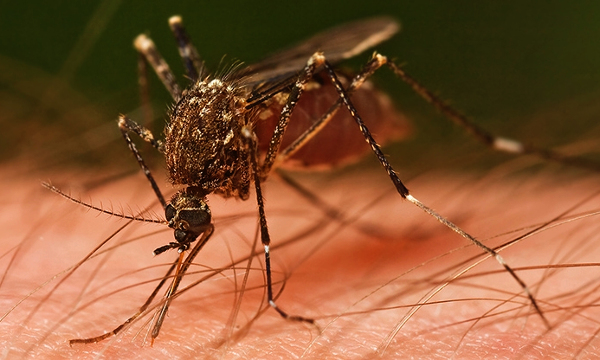
The disease is transmitted primarily by Aedes mosquitoes and can range from mild febrile illness to severe dengue requiring hospitalisation. Because four virus serotypes circulate, previous infection with one serotype does not provide complete protection against the others.
Vector control, elimination of mosquito-breeding sites, surveillance and early clinical management remain central to dengue prevention. Vaccination is expected to add another preventive tool rather than replace these existing measures.
QDENGA Already Used Internationally
Takeda’s dengue vaccine has received approvals in dozens of countries since its first international authorisations. By September 2026, the company stated that QDENGA had been approved in 43 countries, including India.
More than 32 million doses had been distributed through public and private programmes across parts of Asia, Latin America and Europe. Countries using the vaccine include Indonesia, Thailand, Malaysia, Vietnam and Brazil, while several governments have incorporated it into public vaccination programmes.
The World Health Organization has also prequalified QDENGA, an important step for vaccine procurement by international organisations and national public-health programmes.
Biological E Adds an Indian Manufacturing Link
India already has an industrial connection to the global QDENGA supply chain. Takeda previously entered into a manufacturing partnership with Hyderabad-based Biological E to expand production capacity for the vaccine.
Under that arrangement, Biological E is expected to manufacture up to 50 million doses annually as Takeda works towards increasing global vaccine supply. The partnership supplements manufacturing capacity at Takeda and its existing international contract-manufacturing network.
This creates an unusual situation in which India is becoming both an important future market for QDENGA and a contributor to its global manufacturing network.
Commercial Availability Expected in First Half of 2027
Dr Reddy’s and Takeda expect QDENGA to become available in India’s private market during the first half of 2027, subject to completion of the remaining processes with local authorities.
Commercial launch will require the companies to establish distribution, cold-chain arrangements, healthcare-professional engagement and other operational systems needed for vaccine deployment.
Pricing, the precise launch date and the initial scale of availability have not yet been publicly announced.
Dr Reddy’s Enters a New Vaccine Segment
The agreement also marks a strategic expansion for Dr Reddy’s. The Hyderabad-based pharmaceutical company has traditionally built its business around generics, branded medicines, APIs, biosimilars and specialised therapies, but it has increasingly entered partnerships bringing innovative products to the Indian market.
The QDENGA collaboration takes the company further into vaccines and preventive healthcare while allowing Takeda to use Dr Reddy’s established commercial reach across India.
For Takeda, the partnership offers a route to scale private-market access without building an entirely separate nationwide commercial infrastructure for the vaccine.
India Gains Its First Approved Dengue Vaccine
QDENGA’s approval adds vaccination to the range of tools available for addressing dengue in India. Its immediate introduction will be through the private market, while any future role within government immunisation programmes will depend on separate policy, public-health and procurement decisions.
The development is therefore significant on two levels. It introduces India’s first CDSCO-approved dengue vaccine and creates a commercial partnership capable of taking the product into a large national market where dengue remains an enduring public-health challenge.
References
Dr Reddy’s Laboratories and Takeda Pharmaceutical Company — “Takeda and Dr. Reddy’s Laboratories Enter into Exclusive Collaboration to Promote and Distribute QDENGA in India’s Pediatric and Adult Private Market,” 18 September 2026.
https://www.drreddys.com/cms/sites/default/files/2026-09/20260918_Takeda_DrReddys_Collaboration_Announcement_Joint_PressRelease_v1.pdf
Central Drugs Standard Control Organisation — Vaccines approved in India, including “Dengue tetravalent vaccine (live, attenuated) of M/s Takeda Biopharmaceuticals India Pvt Ltd,” 27 July 2026.
https://cdsco.gov.in/opencms/opencms/en/biologicals/Vaccines/
Central Drugs Standard Control Organisation — Subject Expert Committee on Vaccines, meeting dated 19 March 2026, review of Takeda’s Phase III Indian clinical-study data.
Takeda Pharmaceutical Company — QDENGA clinical and international regulatory information.
World Health Organization — QDENGA prequalification and dengue-vaccine guidance.
You may also like
-
FSSAI Moves to Reserve ‘Paneer’ Name for Milk-Derived Products
-
Indian Scientists Reveal How Common Preservatives Destroy Bacteria From Within
-
Ayurveda and Bathing: When, How and Why It Matters
-
Eight Years of Ayushman Bharat: How India Built a Healthcare Safety Net for More Than 60 Crore People
-
Why Ayurveda Places So Much Importance on Waking Before Sunrise
