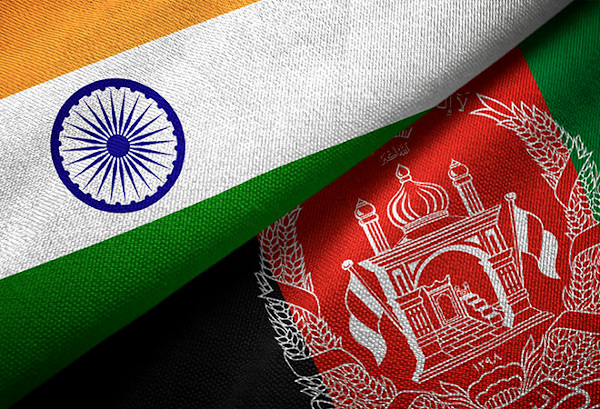
India and Afghanistan have agreed to deepen commercial engagement across trade facilitation, customs cooperation, pharmaceuticals, agriculture, banking, connectivity and investment, signalling a renewed effort to strengthen economic ties between the two countries.
The India–Afghanistan Joint Working Group on Trade, Commerce and Investment held a virtual meeting on 1 September 2026, bringing together officials from both sides representing commerce, industry, customs authorities, regulatory agencies and diplomatic missions. The meeting was officially announced by the Government of India on 2 September 2026.
The discussions covered a broad range of issues affecting bilateral trade, with particular emphasis on removing practical barriers faced by businesses and improving the institutional mechanisms supporting commercial exchanges. Both sides reviewed existing trade arrangements and explored measures that could make the movement of goods, services and investment easier and more predictable.
Trade Facilitation and Customs Cooperation in Focus
A major component of the discussions centred on trade facilitation and customs cooperation. India and Afghanistan agreed on the need for stronger coordination between their respective customs and regulatory authorities, including improved information and data sharing.
Such cooperation could help reduce delays, improve cargo clearance and make cross-border trade more efficient. Greater customs coordination would also provide traders with greater regulatory certainty, particularly for goods that require health, safety or agricultural clearances.
Visa facilitation for Afghan traders was another important subject discussed during the meeting. Easier movement of businesspeople could support direct commercial engagement, participation in trade fairs and stronger links between companies in the two countries.
Pharmaceuticals and Agriculture Emerge as Key Sectors
Pharmaceutical and agricultural trade featured prominently in the talks, reflecting two sectors where India and Afghanistan have significant complementary interests.
India is one of the world’s major producers of generic medicines, vaccines and pharmaceutical products, making healthcare-related trade an important component of its commercial relationship with Afghanistan. Improved regulatory cooperation could help streamline the approval and movement of pharmaceutical products between the two countries.
Agricultural trade is similarly important. Afghanistan exports a range of agricultural products, including dry fruits, nuts, saffron and other high-value produce, while India represents a large potential consumer market.
Closer cooperation between agricultural and food-safety authorities could therefore facilitate greater trade while ensuring that products comply with the regulatory requirements of both countries.
Banking and Financial Cooperation Discussed
The Joint Working Group also examined banking and financial cooperation, an area that remains crucial for expanding bilateral trade.
Efficient payment mechanisms are essential for exporters and importers, particularly when businesses need reliable channels for settling transactions, obtaining trade finance and managing commercial risk.
Both sides discussed ways of improving financial cooperation so that legitimate commercial transactions can be conducted more efficiently. Progress in this area could prove important for expanding the overall volume of bilateral trade.
Connectivity and Port Access Remain Important
Cargo connectivity and port-related issues were also reviewed as part of the meeting.
Afghanistan’s landlocked geography makes access to international transport corridors particularly important. India has previously sought to improve connectivity with Afghanistan through alternative routes that reduce dependence on traditional overland transit channels.
The Iranian port of Chabahar has played an important role in India’s broader strategy to connect with Afghanistan and Central Asia through maritime and land transport networks.
Improved cargo connectivity could reduce transportation costs, shorten delivery times and provide Afghan businesses with better access to Indian and international markets.
Investment and Business-to-Business Engagement
The two sides also agreed to encourage greater investment and direct interaction between businesses.
Investment promotion, commercial partnerships and business-to-business engagement could broaden the economic relationship beyond conventional merchandise trade. Areas such as pharmaceuticals, food processing, agriculture, energy, logistics and small-scale manufacturing could offer opportunities for future cooperation.
Tariff concessions were also discussed, indicating that both sides are examining ways to make selected categories of bilateral trade more competitive.
Energy Cooperation Also on Agenda
Energy cooperation formed another part of the discussions, highlighting the potential for wider economic engagement beyond traditional trade.
Afghanistan’s location between South Asia and Central Asia has long given it strategic significance in regional energy-connectivity discussions. Although the political and security environment continues to influence the pace of such projects, energy remains an area with considerable long-term potential.
Follow-Up Actions Agreed
India and Afghanistan agreed to pursue specific follow-up actions across the areas discussed during the Joint Working Group meeting.
These include strengthening customs and data-sharing mechanisms, increasing regulatory cooperation in pharmaceuticals and agriculture, improving trade connectivity and promoting investment and direct engagement between businesses.
The two sides also agreed to maintain regular institutional communication to ensure that issues affecting traders and investors can be addressed through established channels rather than on an ad hoc basis.
The renewed focus on trade and economic cooperation reflects India’s broader approach of maintaining engagement with the Afghan people while supporting commercial, humanitarian and developmental links with Afghanistan.
For Afghanistan, access to India’s large consumer market, pharmaceutical industry and investment ecosystem could provide valuable economic opportunities. For India, stronger commercial ties can help preserve its long-standing economic and people-to-people links with Afghanistan while supporting wider connectivity with Central Asia.
The 1 September 2026 Joint Working Group meeting therefore represents another step toward rebuilding the institutional framework required for sustained India–Afghanistan economic cooperation, with trade facilitation, connectivity and private-sector engagement likely to remain central to future discussions.
You may also like
-
SCO Adopts Bishkek Declaration, Makes English Official Language and Creates Counter-Security Threat Centre
-
India and China to Resume Trans-Border River Talks on Hydrological Data Sharing
-
India and Serbia Explore Wider Partnership as Historic Ties Enter New Economic and Technology Phase
-
From Mahabharata to Santoor: PM Modi’s Gifts Showcase India’s Civilisational Ties with Central Asia
-
India and Armenia Move to Deepen Defence, Technology and Economic Cooperation
