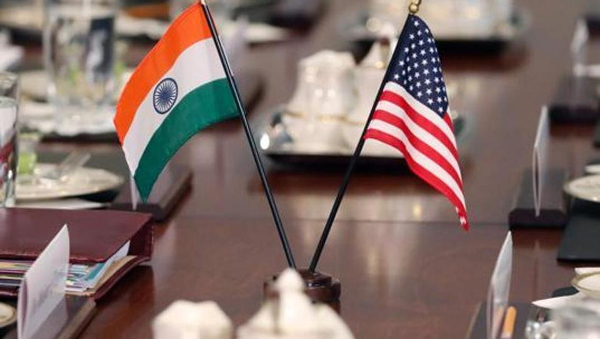
Indian corporations are moving into a new stage of global expansion, where they are preparing to become major brand owners in the United States rather than remaining only exporters, service providers or technology partners. This shift reflects a deeper change in India’s economic confidence. Indian businesses are now looking at the world’s largest consumer market with the ambition to own, operate and grow brands that directly shape customer experience.
For decades, India’s global identity was built around software talent, back-office services, Bollywood, pharmaceuticals, textiles and a large skilled workforce. That image is now expanding. Indian companies are beginning to enter international markets as owners of consumer-facing platforms, hospitality chains, digital businesses, food brands, manufacturing companies and service networks. The United States is becoming one of the most important stages for this transformation because success there gives a company global credibility, scale and visibility.
OYO’s expansion in the American hospitality sector is a strong example of this new Indian corporate ambition. The company’s acquisition of G6 Hospitality, the parent company of Motel 6, gave it a major footprint in the U.S. economy-hotel market. This move placed an Indian-origin hospitality company in direct ownership of a well-known American lodging brand. It also showed that Indian firms are now willing to make bold overseas acquisitions and compete in mature markets through brand control, operational efficiency and technology-led management.
The development is important because ownership creates a different kind of influence. An Indian company that exports goods serves a market from outside. An Indian company that owns a brand inside that market becomes part of its daily consumer life. It hires locally, manages customer expectations, invests in technology, builds partnerships and shapes public perception. This is how corporate presence becomes economic soft power.
Technology is one of the main forces behind this transition. Indian enterprises are increasingly comfortable using data, digital platforms, artificial intelligence, automation and customer analytics to improve business performance. India’s large technology talent pool has already helped global companies build and scale their operations. Now the same talent base is helping Indian firms compete abroad with sharper systems, lower costs and faster execution.
The presence of a large Indian workforce in major global technology companies has also created a strong foundation for this confidence. Indian professionals have played an important role in engineering, product development, management and innovation across the global digital economy. This experience has produced a generation of founders, executives and investors who understand international markets and can build companies with global ambition from the start.
The next wave of Indian expansion in the United States may come from sectors such as hospitality, food and beverages, consumer goods, healthcare, digital services, fintech, education, mobility, wellness and lifestyle brands. These sectors are close to the consumer and depend heavily on trust, convenience and brand identity. Indian companies that combine affordable pricing, technology-led delivery and cultural adaptability can find strong opportunities in these spaces.
This trend also reflects the changing character of Indian entrepreneurship. Earlier, many Indian companies focused mainly on domestic growth because the home market itself offered scale. Today, India’s strongest firms are learning to use domestic scale as a launchpad for global expansion. A company that succeeds in India understands complexity, price sensitivity, large-volume operations and diverse consumer behaviour. These strengths can become powerful advantages in international markets when adapted carefully.
The United States offers both opportunity and challenge. It is a highly competitive market with demanding customers, strong regulation, established brands and high operating costs. Indian companies entering this market must build trust, maintain quality, respect local business culture and invest for the long term. Acquisitions can provide a faster route, but lasting success depends on integration, service standards, brand discipline and customer loyalty.
The rise of Indian brand ownership abroad will also strengthen India’s national image. When Indian companies become familiar names in foreign households, hotels, apps, stores and service networks, they carry a wider message about the country’s business capability. This goes beyond trade numbers. It tells the world that Indian enterprise is ready to build, acquire, manage and lead at global scale.
The timing is also favourable. India is one of the world’s fastest-growing major economies, its startup ecosystem has matured, its digital infrastructure has expanded and its companies are becoming more comfortable with international capital markets. Global investors are also watching Indian firms with greater seriousness. These conditions can support a new cycle of overseas growth where Indian companies become active brand builders in developed markets.
The story of Indian corporations in America is therefore entering a more ambitious chapter. The journey is moving from talent supply to technology leadership, from service delivery to brand ownership, and from domestic confidence to international expansion. As more Indian companies acquire, build and scale consumer brands abroad, India’s economic presence will become more visible in everyday global life.
Indian enterprise is no longer content with being behind the scenes. It is stepping onto the front stage of global commerce, carrying technology, capital, management skill and ambition. The rise of Indian-owned brands in the United States could become one of the clearest signs of India’s growing role in the world economy.
You may also like
-
Hindustan Shipyard Docks Three Vessels Simultaneously in Precision Engineering Milestone
-
BCCL Dispatches First Rake From 5-MTPA Maheshpur Rapid Loading System
-
NPCIL Begins Fuel Loading at RAPP-8 as India’s Fourth Indigenous 700 MWe PHWR Moves Towards Commissioning
-
FUJIFILM India Dedicates First Serial-Numbered Made-in-India Endoscopy System Through AIIMS New Delhi
-
India’s Defence Production Hits Record ₹1.78 Lakh Crore as Private-Sector Share Rises to 24%
