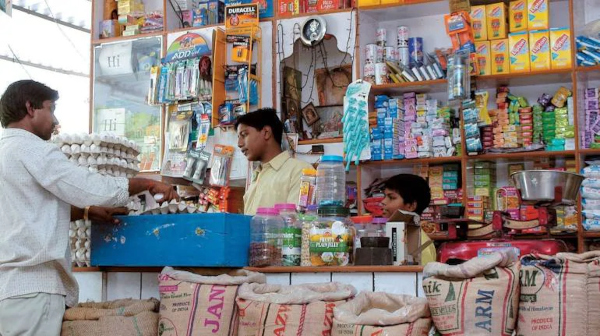
Fast-moving consumer goods (FMCG) is the fourth-largest sector in the Indian economy. The sector is divided into three primary segments: Food and drinks, Healthcare and Household & Personal care which account for 19%, 31% and 50% of the total revenue respectively. The urban segment accounts for around 55% of revenue, while the rural segment accounts for the balance 45%. However, in recent years, rural India’s FMCG sector has developed at a quicker rate than the urban areas. Semi-urban and rural areas are rapidly expanding, with FMCG products accounting for half of all rural spending.
India’s FMCG market rose 12.6% in the July- September 2021 quarter vs the same period last year, driven by higher prices and an increase in urban consumption, as per NielsenIQ.
The volume growth during the quarter stood at 1.2%. Kolkata, Hyderabad, Mumbai, and Pune led the way in terms of FMCG product growth in urban India, as consumers boosted their consumption of staple commodities such as cooking oils and tea, as well as impulsive food categories such as salty snacks and confectionery. The food basket recorded a double-digit growth largely led by price rise.
The rural markets had a slowdown due to lower consumption, with value growth of 9.4%, mostly due to price rise. Lower consumption of commodities such as cooking oil, packaged groceries, hot beverages, and fabric care led to a 2.9% decrease in volumes. The mass price segment contribution stood at 17% in September quarter compared to 19% in the quarter ended March.
You may also like
-
When Trade Routes Become Weapons: Why BRICS Needs a Resilient Supply-Chain Architecture
-
India’s Trade With BRICS More Than Doubles to $417 Billion as Export Opportunity Expands
-
India and Uruguay Agree Trade and Connectivity Roadmap as Montevideo Ratifies International Solar Alliance
-
The Return of Multipolarity: Why the World Is Moving Beyond a Single Centre of Power
-
The Financial Chokepoint: Why BRICS Can No Longer Depend on SWIFT and the Dollar Alone
