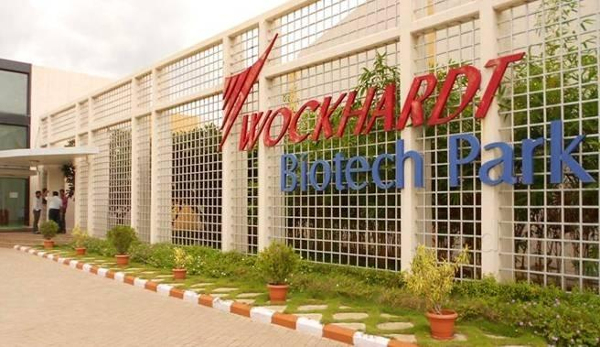
India’s pharmaceutical industry has reached a major innovation milestone with the approval of Wockhardt’s Zaynich in the United States. The approval places an Indian-developed antibiotic inside one of the world’s most demanding regulated healthcare markets and gives the company access to an antibiotics opportunity estimated at around Rs. 857 billion, or about US$ 9 billion. More importantly, it marks a powerful step for India’s movement from generic drug leadership toward original research-led medicine.
Zaynich is an intravenous antibiotic developed for adult patients suffering from complicated urinary tract infections, including pyelonephritis. These infections can become serious when they are caused by drug-resistant Gram-negative bacteria, a category of pathogens that has become a major concern for hospitals across the world. The growing rise of antimicrobial resistance has created an urgent need for new antibiotics that can work against bacteria that have learned to survive older treatments.
The drug combines cefepime and zidebactam. Cefepime is a cephalosporin antibacterial agent with established clinical use, while zidebactam brings a newer mechanism that helps strengthen the antibacterial attack. Together, the two components act on bacterial targets in a synergistic manner, helping the medicine overcome resistance mechanisms that weaken the effect of many conventional antibiotics. This makes Zaynich important in the global fight against hard-to-treat infections.
The approval has commercial significance for Wockhardt because the United States remains the most valuable pharmaceutical market in the world. A successful entry into this market can expand the company’s revenue potential, strengthen its international presence and raise investor confidence in its long-term research pipeline. For a company that invested heavily in antibiotic discovery over many years, this approval represents the conversion of laboratory effort into a global market opportunity.
The clinical data behind the approval adds further weight to the achievement. In the ENHANCE-1 Phase 3 study, Zaynich showed a composite clinical cure and microbiological response rate of 89.0 percent, compared with 68.4 percent for meropenem. The study enrolled 530 patients across 64 sites in regions including the United States, Europe, Latin America, China and India. This gives the medicine a broad clinical testing base and supports its relevance in serious hospital infection management.
The milestone also matters for India’s healthcare innovation story. For decades, Indian pharmaceutical companies built global strength through affordable generics, high-volume production, process chemistry and strong export capability. Zaynich belongs to a more advanced category because it represents novel drug discovery, clinical development, regulatory navigation and branded innovation. This is the direction India needs for the next phase of pharmaceutical leadership.
Antimicrobial resistance is one of the most serious healthcare threats of the modern age. In hospitals, resistant infections can prolong treatment, increase costs, raise mortality risk and reduce the effectiveness of standard medical procedures. Surgeries, cancer care, intensive care treatment, organ transplants and neonatal care all depend on reliable antibiotics. A medicine that expands the treatment arsenal against resistant pathogens therefore carries public health value beyond commercial returns.
Zaynich’s approval also strengthens the case for deeper investment in Indian drug discovery. New antibiotics are difficult to develop because scientific risk is high, clinical trials are expensive and commercial returns can take years to mature. When an Indian company succeeds in this space, it creates confidence for researchers, investors, policymakers and biotechnology entrepreneurs. It shows that India can build medicines for global unmet needs rather than only manufacture medicines discovered elsewhere.
For Wockhardt, the approval can become a turning point. The company can now work toward wider market access, hospital adoption, physician confidence and expansion into other regulated regions. The drug has already received approval in India, and the company has also moved toward European regulatory pathways. These steps could help Zaynich become a globally relevant antibiotic platform in the coming years.
The wider impact may also extend to India’s pharmaceutical ecosystem. Advanced antibiotic development requires microbiology expertise, medicinal chemistry, formulation science, clinical trial networks, regulatory writing, pharmacovigilance, quality manufacturing and global commercial strategy. As such capabilities grow, India can build a stronger innovation chain around infectious diseases, critical care and hospital medicine.
Zaynich’s approval is therefore more than a single corporate success. It is a signal that Indian pharma is entering a deeper scientific phase. The country’s strength in affordable medicines is now being joined by capability in original molecules, complex clinical development and global regulatory success. In a world searching for new weapons against superbugs, an Indian-developed antibiotic entering the US market is a moment of national scientific significance.
The achievement gives India a stronger voice in the global battle against antimicrobial resistance. It shows that the next generation of Indian pharma can contribute not only to access and affordability, but also to discovery and innovation. Zaynich now stands as a symbol of that shift: a homegrown medicine aimed at a global health problem, backed by clinical evidence and positioned in a high-value international market.
You may also like
-
Robotics, AI and Nanoscience Set to Transform Precision Medicine in India
-
Why Ayurveda Recommends Eating Only When Hungry
-
Ayurveda on Eating at the Right Time: How Food Timing Supports Balance and Health
-
Ayurveda and Late-Night Living: What Irregular Sleep Does to the Body
-
India’s Ayush Services Economy Reaches $36.92 Billion, RIS Study Projects Strong Growth to 2047
