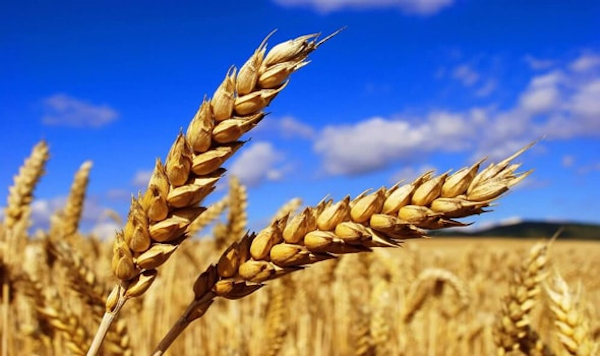
In Ayurveda, wheat is known as Godhuma. It is one of the great nourishing grains, used for strength, tissue-building, stamina and recovery. It belongs to the old Indian idea that food can act like medicine when it is eaten according to season, digestion, body type and method of preparation.
Wheat is not treated as a casual filler in Ayurveda. It is a brimhana ahara — a food that builds the body. It supports bala or strength, helps nourish the dhatus or body tissues, and is traditionally valued for people who need grounding, stability and sustained energy. For farmers, warriors, labourers, students, children, the elderly and people recovering from weakness, wheat has long been one of the steady foods of the Indian kitchen.
The classical Ayurvedic view of wheat is simple: it is madhura in rasa, nourishing in action, strengthening in effect and more suitable for people with good digestion. Wheat supports the body when it is eaten warm, freshly cooked and with proper fat such as ghee. The same wheat becomes heavy when eaten in excess, cold, stale, refined or combined with too many rich foods.
Angarakarkati, described as Wheat Balls (Baked). The FSSAI Ayurveda Aahara Compendium also lists Angarakarkati / Bati / wheat flour bread with references to Bhavaprakash Nighantu, Bhojana Kutuhala Siddhanna Prakarana (Bhakshya Vishesha), and Kshema Kutuhala, 10th Utsava. It identifies the ingredient as Samita, meaning fine wheat flour from Triticum aestivum L., used in one part. The method is direct and traditional: wheat flour is mixed with water, kneaded well, shaped into small balls or vataka, and cooked directly on burning coal. The preparation is advised for use within one day.
This recipe is important because it shows how Ayurveda understood cooking as transformation. Plain wheat flour and water become a compact, fire-cooked food through kneading and baking. The direct heat of coal removes rawness, gives firmness and makes the food suitable as a khadita, a hard edible. The compendium describes Angarakarkati as brimhana, shukrala, laghu, deepana, kaphakara and balya. In simple language, it nourishes tissues, supports reproductive strength, kindles digestion, promotes strength and may increase kapha when taken heavily or frequently.
Classical Angarakarkati Recipe
Take fine wheat flour and add water little by little. Knead it into a firm dough. Shape the dough into small round balls. Traditionally these balls are cooked directly on burning coal until they become fully baked. In a modern kitchen, the same idea can be followed by baking them in an oven, cooking them in a tandoor, or roasting them slowly on a thick iron pan until the centre is cooked.
The classical base is only wheat flour and water. Ghee, rock salt, ajwain, cumin or jaggery can be used in modern household versions, but the core Ayurvedic recipe mentioned in the entry is plain wheat flour kneaded with water and baked by fire. It should be eaten fresh, ideally on the same day, as the compendium mentions “best use before within a day.”
A warm Angarakarkati with a little ghee becomes a deeply grounding food. With thin moong soup, it becomes lighter for digestion. With buttermilk and mild spices, it becomes more suitable for kapha-type digestion. With milk and ghee, it becomes more nourishing for those who need strength and weight restoration.
Wheat is best for people who need stability, endurance and tissue support. It suits people with strong digestion, active lifestyle and dryness in the body. It can support Vata when taken warm and soft with ghee. It can comfort Pitta when prepared without excess spice and taken with cooling accompaniments. It can increase Kapha when eaten in large quantity, especially as refined flour, sweets, bakery foods, heavy breads and stale preparations.
This is why Ayurveda never judges wheat in isolation. A fresh wheat roti with ghee, a bowl of wheat porridge, a simple godhuma preparation or a fire-baked Angarakarkati belongs to one category. Refined flour biscuits, cold bread, sugary cakes and oily bakery snacks belong to another category. The grain is the same, but the guna changes with processing.
Wheat also teaches one of Ayurveda’s strongest food principles: the method of cooking decides the medicinal value of food. Boiled wheat is soft and nourishing. Roasted wheat is drier and lighter. Wheat cooked with ghee becomes more Vata-pacifying. Wheat mixed with sugar and fat becomes more Kapha-increasing. Wheat eaten fresh supports strength. Wheat eaten stale burdens digestion.
For daily use, wheat is best taken during the day, especially at breakfast or lunch, when digestive fire is stronger. Night-time wheat should be light, warm and simple. Heavy wheat preparations at night can create sluggishness, especially in people with weak digestion, kapha dominance, sedentary routine or metabolic imbalance.
The classical entry on Angarakarkati also gives cautions. It mentions caution in Santarpanajanya vikara, meaning disorders linked with over-nourishment, and Madhumeha, commonly understood in relation to diabetes. This matches Ayurvedic logic. Wheat is nourishing, strengthening and kapha-promoting, so people with obesity, uncontrolled blood sugar, sluggish digestion or excess mucus should use it carefully and in smaller portions.
Wheat is not suitable for everyone. People with gluten intolerance, celiac disease or clear sensitivity to wheat should avoid it. In Ayurveda terms, food must suit the person. A famous food can still be unsuitable for a particular body.
In the “food is medicine” view, wheat is medicine for weakness, dryness, exhaustion and tissue depletion when digestion is ready for it. It becomes a burden when eaten without hunger, in excess, in refined form or as stale bakery food. The same Godhuma that builds strength in one person can create heaviness in another.
Angarakarkati is therefore more than a baked wheat ball. It is an old example of Indian dietetics: simple grain, firm kneading, direct fire, fresh consumption and clear awareness of who should eat it. It reminds us that Ayurveda did not separate kitchen from clinic. The kitchen itself was the first pharmacy, and wheat was one of its most dependable medicines.
You may also like
-
Ayurveda on Eating at the Right Time: How Food Timing Supports Balance and Health
-
Ayurveda and Late-Night Living: What Irregular Sleep Does to the Body
-
India’s Ayush Services Economy Reaches $36.92 Billion, RIS Study Projects Strong Growth to 2047
-
Daytime Sleep in Ayurveda: When It Helps and When It Harms
-
Ayurveda and Sleep: Understanding Nidra as a Pillar of Health
