Tamarind is one of the most familiar tastes in the Indian kitchen. A small ball of dark brown pulp can transform a pot of sambar, rasam, pulissery, chutney, fish curry, tamarind rice, pani puri water or medicinal digestive drink. Its sourness wakes up the tongue, sharpens appetite, balances heaviness in food and gives depth to dishes that would otherwise feel flat. In Indian culture, tamarind is not merely a flavouring agent. It is a digestive companion, a seasonal kitchen medicine, a cleansing souring agent and one of the finest examples of the old Indian idea that food can act as medicine when used with wisdom.
Known as imli in Hindi, puli in Malayalam and Tamil, chinta in Telugu, hunase in Kannada, chinch in Marathi and amlika or cinca in Sanskrit, tamarind comes from the tree Tamarindus indica. The edible portion is the sticky pulp inside the brown pod. This pulp is sour, mildly sweet when ripe, fibrous, mineral-rich and deeply useful in cooking. Ayurveda looks at tamarind through the lens of rasa, guna, virya, vipaka and dosha action. Indian households look at it through the lens of experience: it improves taste, supports digestion, cuts oiliness, gives brightness to food and makes heavy meals easier to enjoy.
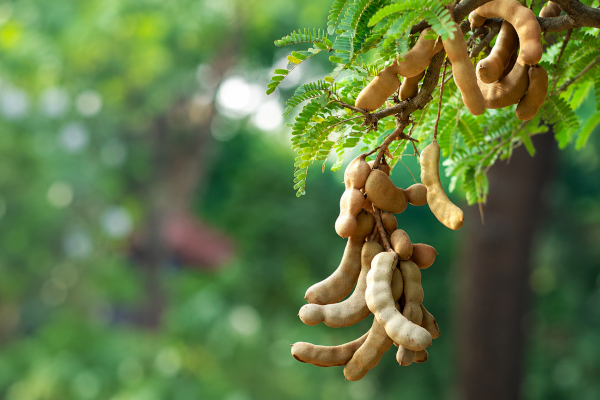
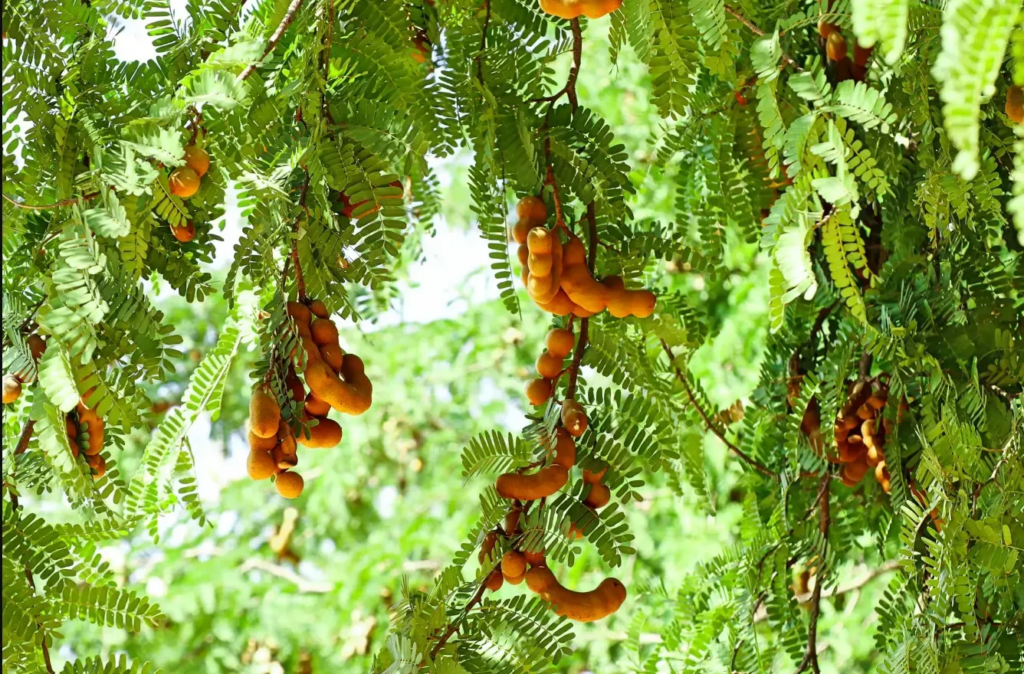
The tamarind tree itself is a majestic tropical tree. It grows slowly, lives long, spreads wide and gives generous shade. The leaves are small, delicate and paired, giving the branches a soft feathery appearance. The flowers are pale yellow with reddish streaks. The fruits appear as curved brown pods with a brittle shell. Inside the shell lies the dark reddish-brown pulp, fibres and glossy seeds. The pulp becomes sweeter and softer as it ripens. Unripe tamarind is sharply sour, semi-ripe tamarind is more digestive and ripe tamarind carries the familiar sweet-sour taste used in Indian food.
In Ayurveda, tamarind fruit pulp is recognised as Amlika or Cinca. The classical description gives it a sweet, sour and astringent taste profile. Its qualities are heavy, dry and mobile. Its potency is heating, and its post-digestive effect is sour. These details are important because they explain why tamarind behaves differently from a simple sour fruit. It stimulates appetite, improves taste, supports digestive fire, moves the bowel and helps clear heaviness when used properly. At the same time, its sour and heating nature means excess use can aggravate acidity, burning sensations and high Pitta conditions in sensitive people.
This is the genius of Indian cooking. Tamarind is rarely eaten by itself in large quantities. It is used in measured amounts, diluted through water, cooked with spices and balanced with ghee, coconut, lentils, vegetables, jaggery, cumin, pepper, coriander, fenugreek, turmeric and curry leaves. This makes tamarind a controlled medicinal taste inside food. Ayurveda values such intelligence because food combinations decide whether an ingredient becomes helpful, heavy, irritating or balancing.
The most important Ayurvedic role of tamarind is its action on digestion. Tamarind is deepana, meaning it helps kindle appetite and digestive fire. This is why a tamarind-based rasam feels so comforting after a dull, heavy or oily meal. Its sourness wakes up salivation. Salivation is the first step of digestion. The taste itself signals the stomach to prepare for food. In traditional meals, sour foods are placed intelligently to improve interest in eating and to prevent the meal from becoming monotonous.
Tamarind is also ruchya, meaning it improves taste and relieves loss of appetite. In Indian homes, when food feels tasteless during mild seasonal fatigue, post-fever weakness or digestive dullness, a thin tamarind rasam with pepper, cumin, garlic and curry leaves often becomes the first comforting food. It is light, aromatic, warm and stimulating. It does not behave like a heavy curry. It behaves like a digestive broth.
Another important quality of tamarind is its ability to cut through heaviness. Many Indian foods contain lentils, rice, tubers, oils, coconut, sesame, peanuts or meat. These foods are nourishing but can feel heavy when digestion is weak. Tamarind adds sharpness and movement. This is why it appears in sambar, pulusu, rasam, vatha kuzhambu, meen curry, tamarind rice and many chutneys. It balances the dense quality of legumes and starches with sourness, heat and digestive stimulation.
In South Indian food culture, tamarind is almost inseparable from dal-based cooking. Sambar is not just dal with vegetables. It is a careful digestive design. Lentils give protein and body. Tamarind gives sourness and digestive stimulation. Turmeric brings cleansing warmth. Mustard, fenugreek and asafoetida reduce heaviness and gas. Curry leaves add aroma and subtle digestive support. Vegetables provide fibre and minerals. The result is a dish where nutrition and digestion are built together.
Rasam is an even clearer example of food as medicine. Tamarind water forms the sour base. Pepper opens the channels and supports warmth. Cumin supports digestion. Garlic, where used, gives pungency and strength. Coriander cools and balances the formula. Curry leaves and mustard add aroma and stimulation. A good rasam is light enough for a weak appetite and strong enough to revive the tongue. This is why rasam is traditionally served during rainy days, after fever, during digestive sluggishness and after a heavy meal.
Tamarind also has a natural bowel-moving effect when ripe and used in suitable quantities. Ayurveda describes ripe tamarind as bhedi, meaning it can help move the bowels. This explains the traditional use of tamarind water or tamarind-based preparations in mild constipation or sluggish bowel states. This effect depends on quantity, ripeness and the person’s digestive strength. A small amount in food supports digestion. A larger amount can loosen stools. This is why tamarind should be reduced during loose motions, IBS-D tendency, intestinal irritation or active diarrhoea.
The stage of the fruit matters greatly. Unripe tamarind is extremely sour and sharper in effect. It can be too stimulating for people with acidity, mouth ulcers, skin heat, burning urination or Pitta aggravation. Semi-ripe tamarind is more useful as a digestive taste in food. Fully ripe tamarind is sweet-sour, more rounded and more commonly used in cooking. Old stored tamarind is traditionally preferred in many homes because its sharpness becomes mellow over time. This is why many grandmothers use aged tamarind for daily cooking rather than freshly harvested sour pulp.
Tamarind also has a place in summer and monsoon food wisdom. In hot seasons, tamarind drinks are used in some regions as refreshing sour beverages when balanced with jaggery, cumin, cardamom or pepper. In the rainy season, tamarind appears in warm rasam and spiced broths because Vata tends to become active during damp, windy weather. Tamarind’s heating and Vata-reducing quality makes it useful in small food quantities during such periods. The same sourness that feels pleasant in monsoon may feel irritating in peak acidity or high-heat conditions, so season, constitution and current health state matter.
In Ayurvedic terms, tamarind is generally useful for Vata and Kapha when used in moderation. Its sour and warm nature can pacify Vata by improving taste, salivation, digestion and movement. Its dry and stimulating quality can help reduce Kapha-type heaviness, sluggish appetite and excessive blandness in food. However, its sour and heating nature can aggravate Pitta when used excessively. This is the central rule for tamarind: it is excellent as a measured souring agent, powerful as a digestive enhancer, and troublesome when eaten in excess by those with high acidity or inflammatory heat.
The heart-friendly reputation of tamarind in traditional texts is also interesting. Ayurveda describes it as hridya, meaning congenial to the heart in the classical sense. Hridya does not always mean a modern cardiology claim. It often means pleasing, refreshing, supportive to taste, emotionally satisfying and comfortable for the chest and heart region when used properly. A well-made tamarind drink or rasam can feel refreshing because it improves taste, reduces heaviness and revives the senses.
Modern nutrition adds another layer to this understanding. Tamarind pulp contains carbohydrates, natural sugars, fibre and minerals such as potassium, magnesium and iron. It also provides thiamine, a B vitamin involved in energy metabolism. Because tamarind is concentrated, a full cup of pulp is nutritionally dense, but Indian cooking usually uses a small lemon-sized ball soaked in water for a whole family dish. Therefore, tamarind should be understood as a concentrated sour fruit paste rather than a fruit eaten in large bowls.
The fibre in tamarind contributes to its bowel-supporting action. The minerals add value, especially when tamarind is part of a mineral-rich traditional diet containing pulses, greens, spices and fermented foods. Its natural organic acids, especially tartaric acid, give tamarind its strong sourness and preservative quality. This acidity is useful in food because it brightens flavour and helps preserve chutneys, sauces and pickles. The same acidity demands caution for people with gastritis, reflux or tooth sensitivity.
Tamarind’s role in Indian food preservation is worth appreciating. Tamarind is used in pickles, pulikachal, tamarind rice paste, chutneys and long-keeping gravies. Its acidity, salt, oil and spices create a hostile environment for spoilage when prepared properly. Before refrigeration became common, such combinations helped households preserve flavour and nutrition across days of travel, temple journeys, agricultural work and seasonal scarcity. Tamarind rice, for example, became a travel food because sourness, sesame oil, spices and roasted ingredients kept the rice palatable for longer.
The famous puliyodarai or tamarind rice is a masterpiece of digestive engineering. Rice by itself can be soft, sweet and heavy. Tamarind adds sour sharpness. Sesame oil gives stability. Mustard, curry leaves, dry red chilli, asafoetida, chana dal, urad dal, peanuts and sesame seeds add crunch, protein, aroma and digestive stimulation. The dish is not merely tasty. It shows how Indian cuisine creates portability, preservation and digestion in one preparation.
In Kerala, tamarind appears in fish curries, theeyal, sambar, rasam and several sour gravies. In Tamil Nadu, it forms the soul of vatha kuzhambu, puli kuzhambu, rasam and puliyodarai. In Andhra and Telangana, tamarind defines pulusu and chintapandu-based dishes. In Karnataka, hunase gives depth to huli, gojju and saaru. In North India, imli gives life to chutneys, chaats and cooling summer drinks. Across the country, tamarind performs the same function in different dialects of cooking: it wakes the palate, supports digestion and brings balance.
Tamarind chutney is another example of food as medicine when made correctly. The common sweet-sour chutney used with chaats combines tamarind with jaggery, roasted cumin, dry ginger, black salt and sometimes dates. This combination balances sourness with sweetness, pungency and mineral saltiness. Roasted cumin and dry ginger support digestion. Black salt improves taste and reduces heaviness. Jaggery softens the sharpness. The final chutney becomes both a taste enhancer and a digestive aid, though it should be used moderately because of its sugar content.
Tender tamarind leaves also have culinary and medicinal value in many regions. Young leaves are sour, delicate and used in chutneys, dals, soups and seasonal greens. They carry a gentler sourness than the mature fruit pulp and are appreciated in village cooking. Tamarind flowers are also used in some traditional cuisines. Seeds, after roasting and processing, have been used in famine foods, seed flour and traditional preparations. The tree is therefore not just a fruit source but a multi-use household plant.
In external folk use, tamarind leaves and bark have appeared in poultices, washes and traditional preparations for swelling and skin conditions. Ayurveda and local medicine traditions mention leaf applications in specific contexts. Such external uses should be approached with care in modern life, especially for eyes, wounds, infections and sensitive skin. Kitchen-level use is one matter; therapeutic application requires proper guidance.
Tamarind appears in some Ayurvedic formulations and traditional preparations. The Ayurvedic Pharmacopoeia mentions important formulations such as Shankha Dravaka and Shankha Vati in relation to Cinca. Traditional sources also refer to preparations such as Panchamla Tailam, where sour substances are used in medicated oil processing, and Chincha Kshara, an alkaline preparation derived from tamarind material. These are medicines and should be used only under qualified guidance, because the medicinal dose, processing method and indication matter greatly.
For home use, tamarind is best understood as a culinary medicine rather than a self-prescribed drug. A small amount in daily cooking can improve appetite and make food lively. Tamarind rasam can be useful during digestive dullness. Tamarind chutney can make snacks more digestible when balanced with spices. Tamarind water can brighten vegetable curries and lentil dishes. Tamarind rice can serve as a practical travel food. These uses belong to the safe and intelligent zone of food culture.
A simple digestive tamarind rasam can be made by soaking a small lemon-sized piece of tamarind in warm water, extracting the juice and simmering it with crushed pepper, cumin, garlic, turmeric, curry leaves and a little salt. A tempering of mustard, asafoetida and ghee or sesame oil completes the preparation. This rasam is light, warming and appetite-supporting. It suits cold, rainy or sluggish digestion days better than high-acidity days.
A cooling tamarind-jaggery drink can be made by soaking ripe tamarind pulp in water, straining it and adding jaggery, roasted cumin powder and a pinch of black salt. This drink is common in several hot-climate food cultures. It refreshes the tongue and provides a sweet-sour mineral taste. Those with diabetes, acidity or reflux should use it sparingly because tamarind and jaggery both require portion control.
A traditional tamarind chutney can be prepared with tamarind extract, jaggery, roasted cumin, dry ginger, black salt and a little chilli. The mixture is simmered until it thickens. Used in small quantities, it supports taste and digestion. Used in large quantities, it can become too sugary and too sour. Again, the medicine lies in proportion.
Tamarind can also help reduce the need for artificial flavour enhancers. A well-balanced souring agent brings natural depth to food. It allows a cook to reduce excess salt, improve appetite and make lentil and vegetable dishes more satisfying. This is one reason traditional Indian food uses souring agents such as tamarind, kokum, amla, lemon, raw mango, buttermilk and tomato in region-specific ways. Sour taste is not an afterthought; it is part of the digestive architecture of the meal.
The ideal way to use tamarind is to soak and extract it rather than adding large lumps directly to food. Soaking softens the pulp and allows the cook to control the strength. The extract can then be filtered to remove fibres and seeds. For a family curry, a small lemon-sized ball is often enough, though the exact amount depends on the age and sharpness of the tamarind. Older tamarind is darker and mellower. Fresh tamarind is sharper and brighter.
Tamarind should usually be added after lentils or vegetables are cooked, because sourness can slow the softening of some foods. This is a valuable kitchen rule. Cook the dal first, then add tamarind extract and simmer. This produces better texture and digestion. Indian cooking is full of such small rules that carry generations of practical science.
Tamarind also has cautions. People with gastritis, acid reflux, sour belching, mouth ulcers, burning sensation, active ulcers, sensitive teeth or high Pitta symptoms should reduce or avoid excess tamarind. People with loose stools or IBS-D tendency should be careful with ripe tamarind because it can loosen the bowel. People with diabetes should remember that tamarind pulp contains natural sugars and carbohydrates, especially when used in sweet chutneys or drinks with jaggery. Those taking medicines or dealing with chronic illness should treat medicinal tamarind preparations separately from ordinary culinary use.
Dental care is another practical point. Tamarind is acidic. Frequent sucking of raw tamarind or concentrated tamarind candies can affect tooth enamel and trigger sensitivity. Traditional food use diluted in curries is different from repeatedly holding sour tamarind in the mouth. Children should enjoy tamarind in food and chutneys rather than as constant sour candy.
Pregnancy cravings for sour foods are well known in Indian culture, and tamarind often appears in that conversation. Small culinary amounts in food are part of normal household use. Excessively sour tamarind, tamarind candies, strong chutneys or very acidic drinks can worsen heartburn, which is already common during pregnancy. Moderation remains the safest principle.
From a home-garden perspective, tamarind is a long-term tree, not a small kitchen plant. It needs sun, space and time. It suits warm tropical and semi-arid regions, tolerates dry conditions after establishment and develops a strong root system. It can be grown from seed, but seed-grown trees take years to fruit. Grafted or vegetatively propagated plants fruit earlier and give more predictable fruit quality. A tamarind tree is best planted where it can grow wide without damaging buildings, walls or underground structures.
For Indian villages, the tamarind tree has always been more than a food tree. It gives shade, fruit, leaves, wood, animal shelter and community memory. Many old roads, temples, schools and village meeting spaces had tamarind trees because they lived long and served many generations. A tree that gives sour fruit for the kitchen also becomes part of the social landscape.
The philosophy behind tamarind is simple. Food should not only fill the stomach. It should awaken digestion, support balance, suit the season and make nourishment enjoyable. Tamarind does this beautifully when handled with restraint. A little sourness can turn a dull dal into sambar, plain water into rasam, leftover rice into puliyodarai, and fried snacks into a more digestible experience with chutney.
This is why tamarind deserves respect in Ayurveda and Indian cuisine. It is not a fashionable superfood. It is an everyday civilisational ingredient. It carries sourness, heat, fibre, minerals, appetite, preservation and memory. It teaches the most important rule of traditional food medicine: the kitchen does not need exotic ingredients to be therapeutic. It needs intelligence, proportion and understanding.
In the Indian kitchen, tamarind is the sour note that completes the meal. In Ayurveda, it is Amlika, a fruit with digestive, taste-enhancing and movement-promoting qualities. In culture, it is the flavour of sambar, rasam, chutney, puliyodarai, fish curry and childhood memories. Used wisely, tamarind shows how Indian food turns ordinary ingredients into daily medicine.
You may also like
-
The Ayurvedic Approach to Work-Life Balance: Restoring Harmony Between Work, Health and Personal Life
-
Ayurveda and Mental Fatigue in the Digital Age: Ancient Wisdom for a Calm and Focused Mind
-
Bharat Biotech’s Nucelion and VeGen Bio Partner to Manufacture Advanced Dual-Target CAR-T Cancer Therapy in India
-
Ayurveda and Anger: How Emotional Excess Affects Physical and Mental Health
-
Ayurveda and Stress: Daily Practices for Mental Balance and Emotional Well-Being
