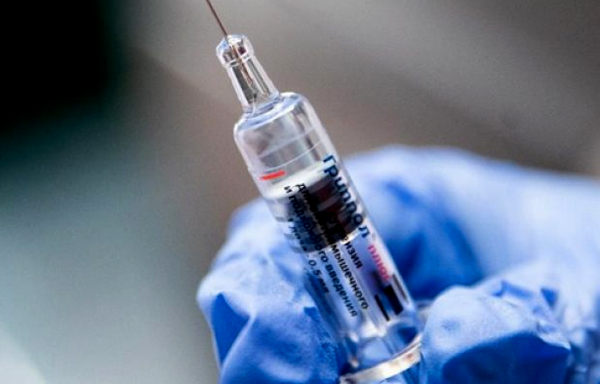
India has taken a major step to strengthen the safety and traceability of its pharmaceutical supply chain by expanding QR Code-based authentication to more categories of medicines. The Ministry of Health and Family Welfare has amended the Drugs Rules, 1945, bringing vaccines, antimicrobials, narcotic and psychotropic drugs, and anti-cancer medicines under the Schedule H2 track-and-trace framework.
Under the revised rules, manufacturers of these medicines will have to print or affix a Bar Code or Quick Response Code on the primary packaging label. In cases where the primary label has limited space, the code may be placed on the secondary packaging. The objective is to make medicine verification easier across the supply chain and help regulators, distributors, healthcare institutions and consumers authenticate genuine products.
The QR Code will carry important product details such as the unique product identification code, generic name, brand name, manufacturer’s name and address, batch number, manufacturing date, expiry date, manufacturing licence number and excipient details wherever applicable. This digital layer of information will allow the product to be checked through software applications and support better monitoring from production to distribution.
Earlier, QR Code-based identification was mandated for the top 300 pharmaceutical brands in India. The latest amendment expands the system to critical medicine categories where quality, safety and traceability are especially important. By including vaccines, antimicrobials, anti-cancer drugs and NDPS-covered formulations, the government aims to build stronger safeguards against counterfeit, spurious and substandard medicines.
The move is also significant for India’s fight against Anti-Microbial Resistance. Counterfeit or poor-quality antimicrobial medicines can weaken treatment outcomes and contribute to drug resistance. A stronger authentication mechanism will help identify and monitor suspicious antimicrobial products more effectively.
The inclusion of narcotic and psychotropic drugs is also important from a public health and law-enforcement perspective. Better tracking of NDPS drug formulations will support efforts to secure the supply chain and strengthen the national campaign for a “Nasha Mukt Bharat.”
To give manufacturers and stakeholders enough time to comply, the Ministry has announced phased implementation. The QR Code requirement for vaccines, narcotic and psychotropic drugs, and anti-cancer medicines will come into effect from 1 July 2027. For antimicrobials, the requirement will become effective from 1 July 2028.
The amendment marks a major expansion of India’s medicine traceability framework. It strengthens regulatory oversight, improves product verification and adds another layer of protection for patients who depend on safe, authentic and high-quality medicines.
Source: PIB
You may also like
-
Robotics, AI and Nanoscience Set to Transform Precision Medicine in India
-
Why Ayurveda Recommends Eating Only When Hungry
-
Ayurveda on Eating at the Right Time: How Food Timing Supports Balance and Health
-
Ayurveda and Late-Night Living: What Irregular Sleep Does to the Body
-
India’s Ayush Services Economy Reaches $36.92 Billion, RIS Study Projects Strong Growth to 2047
