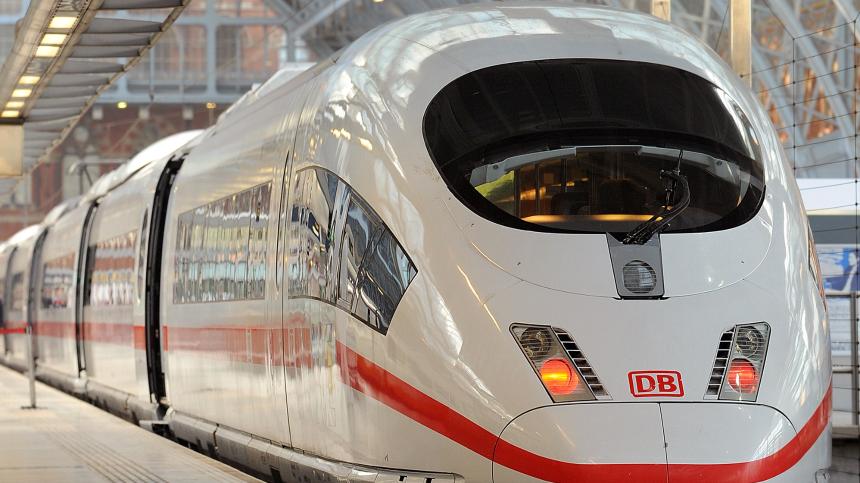
India has begun a major phase of underground construction for the Mumbai–Ahmedabad High-Speed Rail Corridor. On 5 July 2026, the project’s first giant Tunnel Boring Machine started excavation from the Vikhroli shaft towards the underground Mumbai Bullet Train station at Bandra Kurla Complex.
The Mixshield TBM is among the largest rail-tunnelling machines deployed in India. It has a 13.6-metre-diameter cutterhead, weighs approximately 3,100 tonnes and stretches around 96 metres. The machine will construct nearly six kilometres of single-tube tunnel, wide enough to accommodate both the upward and downward bullet-train tracks. Its route passes beneath densely built parts of Mumbai, major roads, existing infrastructure and the Mithi River.
The complete underground section between Bandra Kurla Complex and Shilphata is approximately 21 kilometres long. Around 16 kilometres will be excavated using TBMs, while nearly five kilometres between Sawli and Shilphata has already been completed using the New Austrian Tunnelling Method. The alignment includes India’s first approximately seven-kilometre undersea railway tunnel beneath Thane Creek. Both high-speed tracks will run through a single tunnel tube with an internal diameter of approximately 13.1 metres.
The Vikhroli TBM was launched from a 56-metre-deep shaft. It uses pressurised bentonite slurry to stabilise the excavation face, control groundwater and limit ground settlement in Mumbai’s densely populated urban environment. The machine can excavate soil and rock while simultaneously installing precast concrete lining rings behind it.
Approximately 77,000 concrete lining segments are being manufactured at a dedicated casting facility in Mahape, Thane. These segments will form around 7,700 waterproof tunnel rings, each weighing close to 100 tonnes. Settlement sensors, strain gauges, tilt meters, seismographs and three-dimensional monitoring targets have been installed to continuously observe the tunnel and surrounding buildings.
The ceremonial launch by Railway Minister Ashwini Vaishnaw was postponed because of heavy rain warnings in Mumbai. Railway authorities directed NHSRCL and contractor Afcons Infrastructure to begin the tunnelling operation without waiting for the ceremony, ensuring that construction continued according to schedule.
A second TBM is being prepared at Sawli near Ghansoli. It will excavate towards Vikhroli and undertake the section that includes the undersea passage beneath Thane Creek. Together, the two machines are expected to substantially accelerate construction of the project’s most technically demanding underground portion.
References
- Press Information Bureau, Government of India. “India’s Largest Rail Tunnel Boring Machine Begins Excavation for the Mumbai–Ahmedabad Bullet Train Project.” 5 July 2026.
https://www.pib.gov.in/PressReleasePage.aspx?PRID=2281288 - National High Speed Rail Corporation Limited. “Mumbai–Ahmedabad High-Speed Rail Corridor.”
https://www.nhsrcl.in/ - Livemint. “Mumbai–Ahmedabad Bullet Train Project: Tunnelling Work Begins Despite Formal Launch Being Postponed Due to Inclement Weather.” July 2026.
https://www.livemint.com/news/mumbaiahmedabad-bullet-train-project-railways-postpones-formal-launch-of-tunneling-work-due-to-inclement-weather-11783217860288.html
You may also like
-
EON Space Labs and Dhruva Space Advance Indian Space Hardware on Transporter-18 Mission
-
SatLeo Labs’ TAPAS-1 Reaches Orbit, Advancing India’s Private Thermal-Imaging Capability
-
TakeMe2Space’s MOI-1A Reaches Space on Falcon 9 Transporter-18 Mission
-
Bank of Baroda Enters Pension Fund Management After PFRDA Appointment
-
SCI and India’s Push for a Larger Indigenous Maritime Fleet
