India’s horticulture sector is moving into another strong year, with production estimated to rise to around 378 million tonnes in 2025–26. The increase reflects the growing strength of fruits, vegetables, spices, flowers, plantation crops and medicinal plants in India’s agricultural economy. It also shows a clear shift in Indian farming, where high-value crops are becoming central to farmer income, nutrition security and agri-export potential.
Horticulture has become one of the most important pillars of Indian agriculture because it gives farmers better income opportunities from relatively smaller areas of land. Fruits, vegetables and spices often provide higher returns than traditional field crops when supported by irrigation, storage, processing and market access. This makes horticulture especially important for small and marginal farmers who need better earnings from limited landholdings.
The rise in production also carries major importance for India’s food basket. Vegetables support daily household consumption, fruits improve nutrition, spices strengthen India’s export identity, and medicinal plants support Ayurveda, wellness and pharmaceutical value chains. Together, these crops make agriculture more diverse and more connected to modern consumer demand.
The growth has been supported by wider cultivation, improved varieties, better irrigation, stronger farm practices and expanding value chains. Government schemes focused on horticulture, micro-irrigation, farmer producer organisations, cold chains and food processing have helped create a stronger ecosystem around high-value agriculture. The result is visible in rising production across several crop categories.
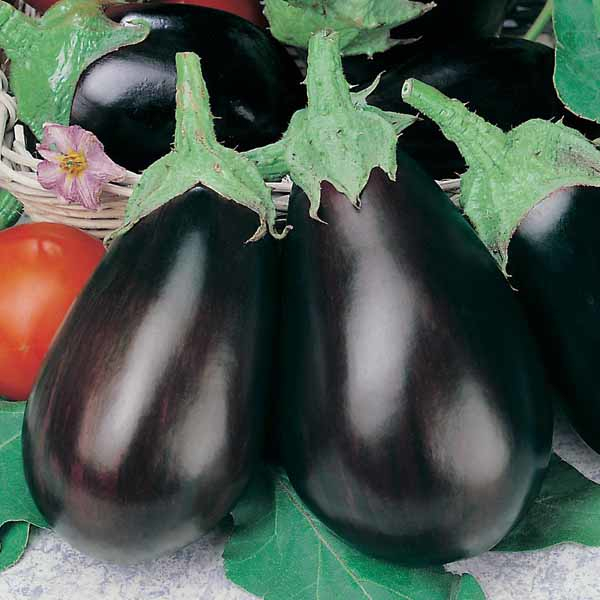
Vegetables continue to form the largest share of India’s horticulture output. Crops such as potato, onion, tomato, green chilli, brinjal, okra, cauliflower, cabbage and cucurbits remain essential for both farmers and consumers. Higher vegetable production helps stabilise supplies in domestic markets and supports food security across rural and urban India.
Fruit production is also gaining strength, supported by crops such as banana, mango, papaya, guava, mandarin, watermelon and jackfruit. India’s fruit economy has strong potential because it connects directly with fresh consumption, juice processing, dried fruit products, exports, retail chains and nutrition programmes. Better orchard management and post-harvest infrastructure can further improve farmer earnings in this segment.
Spices remain one of India’s strongest agricultural identities. Crops such as turmeric, ginger, garlic, cumin, cardamom and chilli carry both domestic and export value. Rising spice production supports food processing, traditional medicine, global cuisine markets and India’s reputation as a major spice producer.
The horticulture story is also closely linked to rural employment. Fruits and vegetables require labour for planting, pruning, harvesting, sorting, grading, packing and processing. This creates more work opportunities across the farm and non-farm rural economy. Cold storage, transport, pack houses, food processing units and export facilities add another layer of income generation.
The next challenge is post-harvest management. Higher production brings greater responsibility to reduce wastage. Fruits and vegetables are perishable, and farmers lose value when storage, grading, transport and processing systems are weak. Cold chains, modern mandis, direct market linkages, e-commerce platforms and food processing clusters will be crucial for converting higher output into higher income.
The rise of horticulture also supports India’s nutrition goals. A stronger supply of fruits, vegetables and medicinal crops can improve dietary diversity and reduce dependence on calorie-heavy staples alone. This makes horticulture important not only for the farm economy but also for public health.
India’s horticulture expansion therefore represents a larger transformation in agriculture. Farming is moving from bulk production alone towards value, nutrition, processing and exports. As output moves towards 378 million tonnes, the sector is becoming a major driver of farmer prosperity and rural economic strength.
The message is clear. India’s future agriculture will be shaped not only by cereals but also by fruits, vegetables, spices, flowers and high-value crops. Horticulture is turning Indian farming into a more diversified, income-oriented and nutrition-rich system.
You may also like
-
India Seeks South Korean Shipbuilding Partnerships as Sarbananda Sonowal Begins Four-Day Visit to Busan
-
Koraput Kalajeera Rice of Odisha: The GI-Tagged Aromatic Heritage of India’s Ancient Rice-Growing Region
-
ICAR Scientists Develop Indigenous Protective Gloves for Cotton Farmers, Sign Commercial Manufacturing Agreement
-
BHEL–Coal India Joint Venture Begins Construction of ₹25,016 Crore Indigenous Coal Gasification Project in Odisha
-
PM Modi to Inaugurate RBI’s Tier IV Data Centre and Cybersecurity Training Institute in Bhubaneswar
