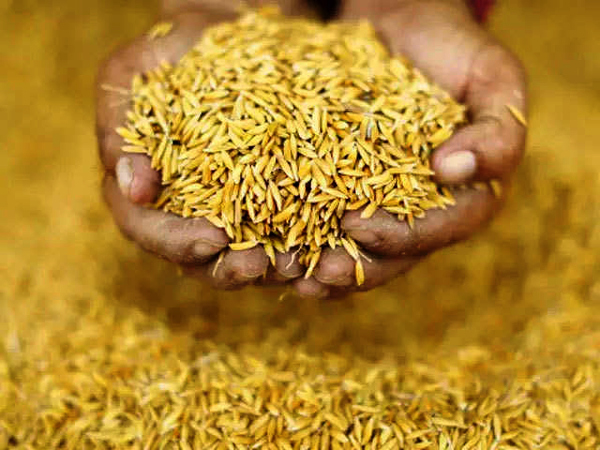
India’s foodgrain production exceeded 378 million tonnes during the agricultural year 2025–26, registering a significant increase over the preceding year. Union Agriculture and Farmers Welfare Minister Shivraj Singh Chouhan highlighted the achievement on 26 November 2026, according to News On AIR. The country recorded an increase of approximately 208 lakh tonnes, equivalent to 20.8 million tonnes, reflecting the continued expansion of its agricultural production capabilities and strengthening the foundations of domestic food security.
Significant Growth in Agricultural Production
The latest production figures represent an important milestone for Indian agriculture, with foodgrain output increasing substantially over the preceding agricultural year. Foodgrain production encompasses major cereals, including rice, wheat and millets, alongside pulses that contribute to the country’s nutritional requirements. The overall increase highlights the scale of India’s agricultural economy and its capacity to meet the food requirements of a large population.
Sustaining agricultural production at this scale requires coordination across farming communities, agricultural research institutions, irrigation networks and agricultural input suppliers. Improved crop varieties, mechanisation, access to agricultural information and efficient water management remain important components of long-term productivity growth. Their continued development will be essential for maintaining agricultural output amid changing climatic conditions.
Strengthening India’s Food Security
Higher foodgrain production provides a stronger foundation for meeting domestic consumption requirements and maintaining adequate food reserves. India’s agricultural output supports an extensive food distribution system that provides essential commodities to vulnerable sections of the population. Adequate production can also improve the country’s capacity to manage supply disruptions and seasonal fluctuations in agricultural markets.
Food security, however, extends beyond aggregate production figures to include affordability, accessibility, nutritional diversity and efficient distribution. Investments in scientific storage, transportation and post-harvest management remain important for ensuring that increased agricultural production translates into wider economic and nutritional benefits. Reducing post-harvest losses can further enhance the effective availability of foodgrains without placing additional pressure on agricultural resources.
Supporting Farmers and the Rural Economy
Agriculture remains a major source of livelihood across rural India, supporting farmers, agricultural labourers and enterprises involved in food processing, transportation and distribution. Increased foodgrain production can generate additional economic activity throughout these interconnected agricultural value chains. The extent to which higher output benefits farming households will also depend on market prices, production costs, procurement arrangements and access to remunerative markets.
Strengthening farmer producer organisations, agricultural processing facilities and rural storage infrastructure can help farming communities capture greater value from their produce. These complementary measures are important for ensuring that production growth is accompanied by improvements in agricultural incomes and rural economic resilience.
Advancing Sustainable and Climate-Resilient Agriculture
Maintaining high levels of foodgrain production requires sustained attention to soil health, water conservation, biodiversity and climate resilience. Changing rainfall patterns, rising temperatures and extreme weather events present challenges that can affect crop productivity and agricultural stability. Developing climate-resilient crop varieties and promoting resource-efficient farming practices will therefore remain important priorities for India’s agricultural research and development ecosystem.
The expansion of precision agriculture, digital advisory services and improved irrigation technologies offers opportunities to enhance productivity while encouraging more efficient resource utilisation. Crop diversification, particularly through pulses and millets, can also contribute to nutritional security and sustainable agricultural development. Integrating these approaches into agricultural planning can help balance production requirements with long-term environmental sustainability.
Building a Stronger Agricultural Foundation for Viksit Bharat 2047
India’s foodgrain production crossing 378 million tonnes represents a substantial achievement in the country’s agricultural development. The increase demonstrates the scale of domestic food production while reinforcing the importance of continued investment in agricultural research, infrastructure and farmer-oriented services. Sustaining this progress will require attention to productivity, economic viability and the conservation of natural resources.
By combining scientific innovation with sustainable farming practices and efficient agricultural value chains, India can further strengthen its food security and rural economy. The latest production milestone provides a foundation for advancing towards a more productive, resilient and sustainable agricultural sector in the years ahead.
Reference
News On AIR (Akashvani) — Statement by Union Agriculture and Farmers Welfare Minister Shivraj Singh Chouhan on India’s foodgrain production during 2025–26, 26 November 2026, 1:05 PM.
You may also like
-
Warangal Chapata Chilli — Telangana’s Brilliant Red Tomato Chilli and the Agricultural Heritage of Warangal
-
ISRO Successfully Tests Indigenous Gas Generator for Next-Generation Methane Rocket Engine
-
Indian and Russian AI Agents Conduct First Cross-Border Trade Deal on SBER Platform
-
Hetero Begins Exporting Generic HIV Prevention Medicine to Africa
-
Chariot AI Launches Indigenous Foundation Models Under IndiaAI Mission
