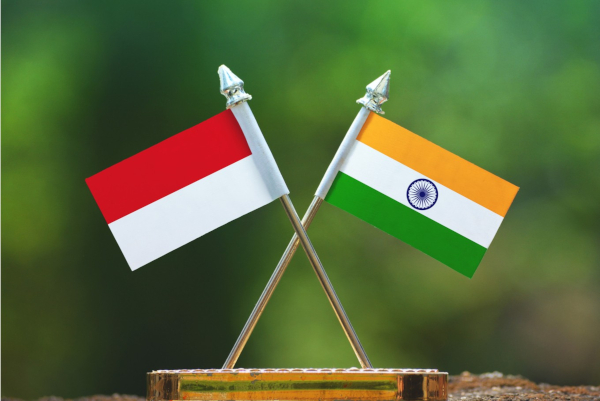
Special Forces personnel from the Indian Army and the Indonesian Army have commenced the final validation phase of Exercise GARUDA SHAKTI 2026 in the challenging jungle terrain of East Java, Indonesia. The 48-hour exercise, which began on November 3, is designed to assess the combat capabilities, operational coordination and endurance of troops from both countries under simulated battlefield conditions.
The validation exercise represents the concluding operational assessment of the 11th edition of GARUDA SHAKTI, a bilateral military exercise being conducted at Banyuwangi, Indonesia, from October 27 to November 6, 2026. The Indian contingent comprises personnel from the Parachute Regiment (Special Forces), while Indonesia is represented by troops from its Special Forces formations. The exercise seeks to strengthen interoperability and develop a common understanding of specialised military operations between the two armies.
Special Forces Undergo Intensive Combat Validation
According to the Indian Embassy in Jakarta, the final validation exercise places participating troops in demanding operational situations that require them to apply the specialised combat skills acquired during the preceding training sessions. The exercise encompasses combat marksmanship, mountaineering, helicopter-borne operations, patrolling and combat tracking, with personnel expected to demonstrate their ability to integrate these capabilities into coordinated tactical missions.
The 48-hour assessment is being conducted in realistic jungle conditions, where difficult terrain, restricted visibility and demanding physical conditions present additional operational challenges. The participating troops are being evaluated on their endurance, tactical coordination and ability to make decisions under pressure, particularly when undertaking missions requiring close cooperation between personnel trained under different military doctrines and operational procedures.
The validation phase is intended to consolidate the training gains achieved during the exercise and prepare the two contingents for increasingly complex joint missions. By operating together in unfamiliar and demanding environments, the participating Special Forces personnel gain practical experience in coordinating tactical movements, communicating operational requirements and executing specialised tasks as an integrated force.
Jungle Warfare and Special Operations Training
GARUDA SHAKTI 2026 has placed considerable emphasis on jungle warfare, reflecting the operational requirements of Special Forces units that may be deployed in heavily forested and difficult terrain. The training programme includes obstacle crossing, combat shooting, mountaineering, air assault procedures and combat-hardening activities designed to improve the operational readiness of participating troops.
During the earlier stages of the exercise, Indian and Indonesian personnel also undertook simulated combat tracking operations in jungle environments. These activities focused on identifying and following targets through specialised ground-reading techniques, requiring troops to interpret tracks and other physical indicators while maintaining tactical awareness in dense vegetation.
The training additionally incorporated the operational employment of unmanned aerial systems for surveillance, reconnaissance and situational awareness. By combining traditional jungle fieldcraft with drone-assisted observation, participating troops explored methods of improving battlefield awareness and supporting tactical decisions in environments where terrain and vegetation can restrict conventional surveillance.
These activities illustrate the increasing importance of integrating established Special Forces skills with emerging technologies. While physical endurance, navigation, marksmanship and combat tracking remain essential components of jungle warfare, the ability to employ aerial reconnaissance systems can strengthen information gathering and improve coordination during complex military operations.
Strengthening Interoperability Between Indian and Indonesian Forces
A central objective of GARUDA SHAKTI is to strengthen interoperability between the armed forces of India and Indonesia through shared training and the exchange of operational experience. Special Forces personnel from both countries operate with their own training methods, equipment and tactical procedures, making joint exercises important opportunities to familiarise themselves with each other’s operational practices.
The training programme facilitates exchanges concerning weapons, specialised equipment and procedures used in different operational environments. Such engagements allow participating forces to compare tactical approaches, identify areas of common understanding and develop the coordination required for conducting joint missions under challenging conditions.
For India’s Parachute Regiment (Special Forces), the exercise provides an opportunity to undertake specialised training alongside Indonesian personnel familiar with tropical jungle environments. For the Indonesian contingent, the engagement offers exposure to the operational experience and training practices of Indian Special Forces, creating a reciprocal framework for professional military cooperation.
The emphasis on practical field training distinguishes GARUDA SHAKTI from purely ceremonial military engagements. Participating troops must demonstrate their ability to work together during demanding operational scenarios, allowing commanders and instructors to assess the effectiveness of the procedures and skills developed throughout the exercise.
GARUDA SHAKTI and India–Indonesia Defence Cooperation
India and Indonesia maintain an established defence relationship encompassing military training, professional exchanges and bilateral exercises. GARUDA SHAKTI forms part of this cooperation by providing a dedicated platform for their Special Forces to develop operational familiarity and strengthen professional relationships.
The exercise is particularly relevant to the broader defence engagement between the two countries, both of which occupy important positions in the Indo-Pacific region. India and Indonesia share an interest in maritime security, regional stability and strengthening cooperation between their defence establishments, although GARUDA SHAKTI itself is specifically focused on land-based Special Forces operations.
The 11th edition builds on the existing training relationship between the two armies. The previous edition was conducted at the Special Forces Training School in Bakloh, Himachal Pradesh, in December 2025, where the participating contingents trained in counter-terrorism operations and specialised combat procedures in semi-mountainous terrain.
The different environments used for successive editions provide opportunities for personnel to gain experience in varied operational conditions. While the 2025 exercise emphasised training in semi-mountainous terrain, the current edition in Indonesia concentrates on jungle operations, enabling the participating forces to develop skills relevant to different geographical and tactical circumstances.
Final Validation to Assess Joint Operational Readiness
The ongoing validation phase will assess how effectively Indian and Indonesian personnel can translate their training into coordinated tactical action. Unlike individual training activities that focus on specific military skills, the final exercise brings together several operational elements within simulated missions that test the participants’ ability to respond collectively.
The assessment will examine the endurance, tactical coordination and decision-making capabilities of the participating troops while placing particular emphasis on their ability to execute complex tasks under operational pressure. Its findings are expected to help the participating forces evaluate the effectiveness of their joint training and identify areas for further improvement.
GARUDA SHAKTI 2026 is scheduled to conclude on November 6, following the completion of its training and validation activities. The exercise reinforces the continuing military engagement between India and Indonesia while providing both armies with practical opportunities to strengthen their Special Forces capabilities through joint operational training.
You may also like
-
Indian and Sri Lankan Coast Guards Strengthen Maritime Security Cooperation at 9th High-Level Meeting
-
Indian Navy Rescues Hijacked Fishing Vessel Azini off Somalia, Secures All 20 Crew Members
-
Balu Forge Secures Quality Approval for Jet Engine Components, Expands Aerospace Manufacturing Capabilities
-
Sunita Tools Secures Ordnance Factory Qualification and Artillery Shell Forging Orders
-
Balu Forge Secures Order from Czech Armoured Vehicle Manufacturer, Expands European Defence Industry Presence
