India is sharpening its position in the global clean energy race through a coordinated strategy that combines policy backing, technological innovation and deeper industry participation, Union Minister Dr. Jitendra Singh said on April 16, 2026, while addressing the World Hydrogen Energy Summit and World Petrocoal Congress in New Delhi. He said the country is pursuing an integrated approach that advances green hydrogen, expands nuclear power capacity and strengthens renewable energy, while also building domestic capability in critical technologies such as electrolyzers.
Dr. Singh said India’s broader energy roadmap seeks to balance sustainability with energy security. He pointed to plans for nearly $100 billion in oil and gas investments, expansion of exploration areas to 1 million square kilometres, and a target to raise natural gas’s share in the energy mix to 15 percent. He added that India’s refining capacity is also continuing to grow, reinforcing the country’s standing in the global energy sector.
A major pillar of the transition, he said, is the National Green Hydrogen Mission, which has an outlay of Rs 19,744 crore. According to the minister, the mission is expected to help decarbonise hard-to-abate sectors such as steel and cement, while ongoing efforts in domestic manufacturing and innovation aim to reduce the cost of green hydrogen production.
On nuclear energy, Dr. Singh said the recently announced Nuclear Energy Mission is targeting 100 GW of nuclear power capacity by 2047. He said India has entered a new phase of its nuclear programme, powered by indigenous technological advances, and is now working toward the development of five small modular or small reactors by 2033. Work has already begun on three systems, including a Bharat Small Modular Reactor, a Bharat Small Reactor based on heavy water technology, and a small hydrogen-linked reactor designed for low-capacity applications.
He said these smaller reactors could offer flexible, scalable and decentralised clean energy solutions while supporting emerging hydrogen applications. Dr. Singh also noted that recent policy reforms have opened the nuclear sector to greater private participation and eased liability provisions, steps that are expected to encourage startups, MSMEs and other private players to take part in the clean energy build-out.
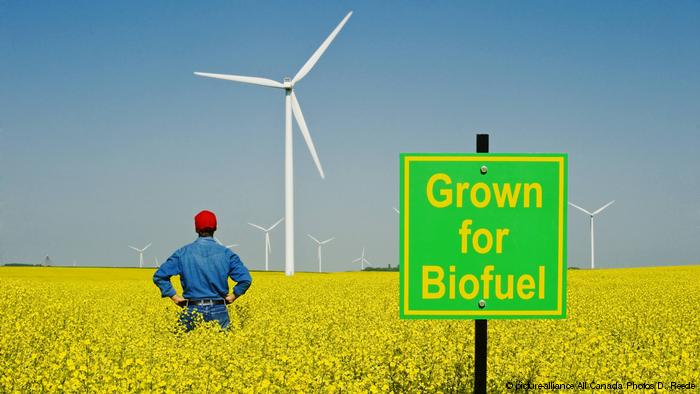
Highlighting the economic dimension of the transition, the minister said sectors such as electric mobility, battery recycling, grid management and renewable manufacturing are creating fresh employment and innovation opportunities. He also referred to circular economy initiatives, including the conversion of used cooking oil and agricultural residue into biofuels, as well as future-facing areas like ocean energy under the Deep Ocean Mission.
Dr. Singh said India’s demographic strength, technology base and policy direction place it in a strong position to contribute to global decarbonisation while ensuring sustainable growth and wider access to energy at home.
Reference: https://www.pib.gov.in/PressReleasePage.aspx?PRID=2252689®=3&lang=1
You may also like
-
Indian Banks Expected to Record 25.4% Profit Growth in Q2 FY27 as Lending Expands and Margins Prepare for Recovery
-
India Targets 1 Billion 5G Users by 2030 as Telecom Sector Prepares for Global 6G Leadership
-
GHCL Begins Production at 2,800-Tonne Bromine Manufacturing Facility in Gujarat
-
BHEL Awards ₹52.68 Crore Indigenous Gas Turbine Component Contract to Azad Engineering
-
India Tightens Scrutiny of Satellite Internet Security as Government Clarifies Starlink Licensing Rules
