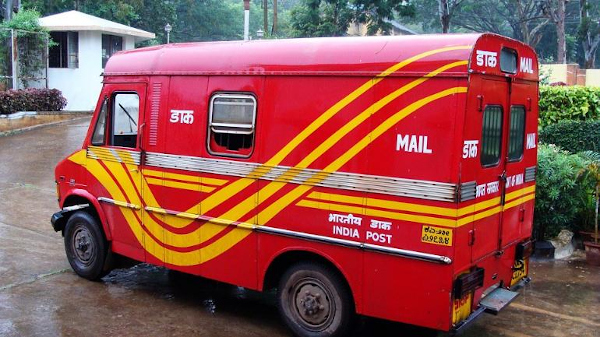
As the country reels under the coronavirus crisis, India Post has so far delivered more than 2,000 tonne of medicines and medical equipment to needy individuals and hospitals across the country during the lockdown period, an official statement said. Also Read – World War II Veteran And Oldest Artillery Man of The Indian Army Passes Away at 103
Further around Rs 1,500 crore were disbursed at the door step using Aadhar-enabled Payment System (AePS) of India Post Payments Bank to around 85 lakh beneficiaries, it said, adding that 75 lakh electronic money orders (EMO) payments were made under various schemes of financial inclusion worth Rs 760 crore. Also Read – Aussie Man Gets Girlfriend Cake as Reward After She Finally Farts in Front of Him
On Friday, Communications Minister Ravi Shankar Prasad instructed the Chief Post Masters General and senior officers of India Post to work towards realising the vision of Prime Minister Narendra Modi for an ‘Aatmanirbhar Bharat’. Also Read – Beating COVID-19 One Foot Pedal at a Time: Thailand Mall Praised For Zero-contact Idea
Prasad reviewed the activities and efforts of Department of Posts during COVID-19 crisis through a video conference.
India Post also distributed around 6 lakh food and ration packets to labourers, municipal workers among others through self-contribution and in association with NGOs.
The minister said that that the ordinary Indian has to be empowered with vast network of post offices and the power of technology such digital inclusion supplemented by financial inclusion and strong physical supply chain.
Source: India news
Image Courtesy: India Today
You may also like
-
PRAHAAR: India’s First National Counter-Terrorism Policy and Strategy
-
Defence Accounts Department Launches SAKSHAM Integration, PRISM and Revamped National Compilation System
-
India Simplifies Foreign Guest Reporting for Hotels Under New Immigration Framework
-
India Signs UN Convention Against Cybercrime as Global Digital Security Cooperation Expands
-
Australian PM Albanese Credits Modi as India’s Energy Access Expands on Historic Scale
