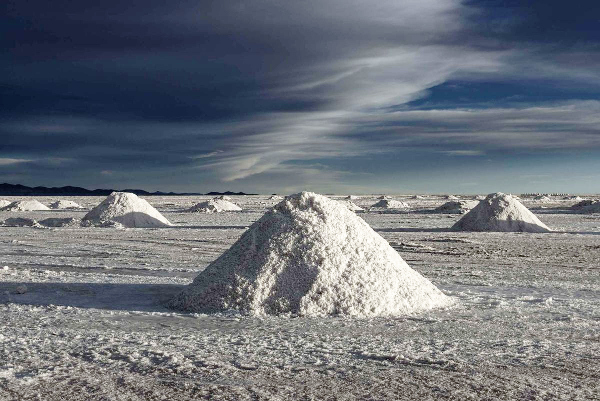
India is preparing a new policy push to strengthen domestic processing of critical minerals such as lithium and nickel, materials that sit at the heart of electric vehicles, battery storage, and the wider clean-energy transition. The main objective is to reduce import dependence and build a more secure local supply chain for sectors that will shape the country’s industrial future.
The proposed approach goes beyond simple extraction. It includes expanding exploration for lithium resources within India, securing overseas supply arrangements, and building up refining capacity through both public- and private-sector participation. In effect, the government is trying to move India higher up the value chain instead of remaining dependent on imported processed materials.
Another important part of the plan is to encourage private companies to participate more actively in the search for surface minerals, while also developing a stronger battery-recycling ecosystem. That recycling push is especially significant because it could help recover valuable materials from used batteries and gradually reduce pressure on fresh imports.
The larger strategic message is clear: India wants to close the gap with major global players such as China and the European Union in critical-mineral processing and recovery. As competition for battery minerals intensifies worldwide, the proposed policy signals that India is treating lithium and nickel not just as industrial inputs, but as strategic assets tied to energy security, manufacturing competitiveness, and long-term technological self-reliance.
Reference:
https://www.newsbytesapp.com/news/business/indian-government-proposes-boosting-domestic-lithium-and-nickel-processing/tldr
You may also like
-
PM Dhan-Dhaanya Krishi Yojana Completes One Year: Gaya, Nagaur and Umaria Emerge as Best-Performing Districts
-
Political Protests in India: Economic Losses, Export Disruptions and the Impact on Investor Confidence
-
Jeeraphool Rice of Chhattisgarh — Surguja’s Fragrant Cumin-Shaped Heritage Grain
-
India’s E-Commerce Platforms Record ₹24,000 Crore Festive Sales in Two Days as Meesho Reports 75% Surge in Orders
-
India’s Economic Warfare Challenge: Strategic Autonomy, Energy Security and the Rise of a Global Power
