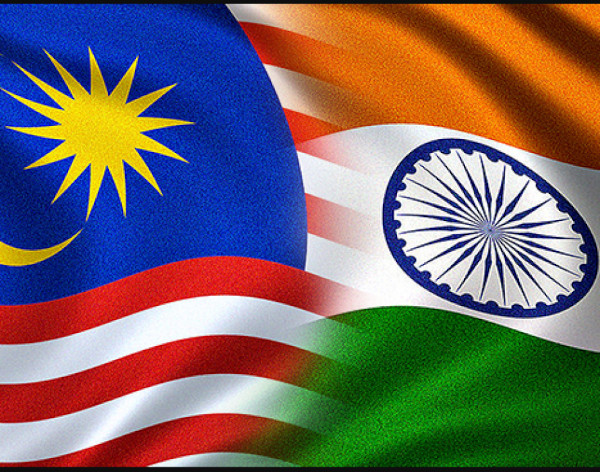
The sixth edition of the India–Malaysia Joint Military Exercise Harimau Shakti–VI commenced at Ipoh, Malaysia, on November 19, 2026, bringing together 240 military personnel from the Indian Army and the Malaysian Army for twelve days of intensive bilateral training. The exercise, scheduled to continue until November 30, 2026, focuses on counter-terrorism operations, jungle warfare, semi-urban combat and the integration of emerging technologies into coordinated military operations.
Both countries have deployed contingents comprising 120 personnel each. Harimau Shakti is an established bilateral military training exercise conducted alternately in India and Malaysia, providing a platform for improving interoperability, exchanging operational experience and strengthening military cooperation between the two countries.
The 2026 edition places particular emphasis on integrating unmanned aerial systems, counter-drone technologies, surveillance capabilities and coordinated command structures into counter-terrorism operations. These capabilities have become increasingly important in modern military operations, where real-time intelligence, rapid communication and coordinated responses are essential for operational effectiveness.
Joint Training Under United Nations Chapter VII Framework
The primary objective of Harimau Shakti–VI is to jointly rehearse sub-conventional operations within the framework of Chapter VII of the United Nations Charter, with particular emphasis on coordinated responses to counter-terrorism threats.
Chapter VII provides the United Nations Security Council with the authority to determine threats to international peace and security and authorise measures to address them. Military exercises conducted within this framework help participating forces develop operational procedures relevant to complex security environments.
The Indian and Malaysian contingents will practise coordinated tactical operations involving joint planning, intelligence sharing, surveillance, movement and engagement in challenging terrain.
The training is designed to strengthen cooperation between military units operating under a common tactical framework while improving their ability to coordinate activities during multinational operations.
The exercise will also provide opportunities to familiarise personnel with the operational doctrines, equipment and tactical procedures employed by the two armies.
Jungle Warfare and Semi-Urban Counter-Terrorism Operations
Jungle warfare and semi-urban combat form important components of the exercise because these environments present distinct operational challenges.
Dense jungle terrain restricts visibility, complicates communications and limits the movement of military personnel and equipment. Successful operations in such conditions require effective reconnaissance, navigation, concealment, coordination and logistical support.
Semi-urban environments introduce additional complexities, including restricted movement corridors, closely spaced structures and the need to distinguish threats from surrounding civilian infrastructure.
Harimau Shakti–VI will provide opportunities for the participating contingents to practise coordinated operations in both environments.
Training activities will include counter-terrorism operations, tactical raids and cordon-and-search procedures. These exercises are intended to improve the coordination of military units operating in difficult terrain while strengthening their ability to respond to simulated security threats.
The participating personnel will also undertake combat engineering drills, which support military mobility, field infrastructure development and other operational requirements.
Joint Command Post and Surveillance Centre
An important component of the exercise will be the establishment of a Joint Command Post and Surveillance Centre.
The Joint Command Post will serve as a training mechanism for coordinating tactical activities between the Indian and Malaysian contingents. It will support joint operational planning, communication and the exchange of information during simulated missions.
The Surveillance Centre will form part of the exercise’s intelligence and reconnaissance arrangements, allowing personnel to practise coordinating surveillance information with tactical operations.
These activities are intended to strengthen the integration of command, control and surveillance functions.
Effective coordination between command structures and units operating in the field is particularly important during counter-terrorism operations, where rapidly changing situations require timely decisions and reliable information.
By establishing common procedures for exchanging operational information, the participating armies aim to improve interoperability and develop greater familiarity with each other’s command arrangements.
Integration of Unmanned Aerial Systems in Military Operations
One of the principal technological elements of Harimau Shakti–VI is the integrated employment of Unmanned Aerial Systems (UAS) for reconnaissance and surveillance.
Unmanned aerial systems can provide military units with aerial observation capabilities that complement ground-based reconnaissance. They can be particularly useful in environments where dense vegetation, terrain obstacles or built-up areas restrict direct observation.
During the exercise, Indian and Malaysian troops will practise incorporating unmanned aerial surveillance into joint tactical operations.
The training is intended to demonstrate how aerial reconnaissance can support situational awareness, improve information sharing and assist commanders in coordinating activities involving multiple military units.
The use of unmanned systems also provides an opportunity for participating personnel to exchange experience in the integration of emerging technologies into established military procedures.
The emphasis on drones reflects the increasing importance of unmanned platforms in contemporary military operations, including reconnaissance, surveillance and battlefield awareness.
Counter-Drone Capabilities Receive Special Emphasis
Harimau Shakti–VI will also include training involving Counter-Unmanned Aerial System (C-UAS) capabilities designed to detect and neutralise hostile drones.
The growing use of unmanned aerial platforms has introduced additional security challenges for military forces, particularly during operations involving critical installations, command centres and personnel concentrations.
Counter-drone capabilities have consequently become an important component of modern force protection.
The exercise will provide a platform for familiarising participating troops with counter-UAS procedures and their integration into broader surveillance and defensive arrangements.
The training will focus on the coordinated employment of available capabilities to identify and respond to simulated drone threats.
The inclusion of both UAS and counter-UAS activities is significant because it allows the two armies to examine the operational requirements of employing unmanned systems while simultaneously preparing to counter their potential use by adversaries.
This combination of aerial reconnaissance and counter-drone training highlights the increasing role of technology in sub-conventional warfare and counter-terrorism operations.
Progressive Training Phases to Improve Operational Coordination
Harimau Shakti–VI will be conducted through progressive training phases designed to develop coordination between the participating contingents.
The initial phase will involve cross-training and familiarisation with the operational procedures, equipment and tactical practices followed by the Indian and Malaysian armies.
This phase will allow personnel from both countries to understand differences in their respective approaches to tactical planning, communication and the execution of military tasks.
The subsequent phase will involve joint tactical drills, including raids, cordon-and-search operations, combat engineering activities and coordinated counter-terrorism missions.
Training will place particular emphasis on synchronising ground operations with reconnaissance and surveillance capabilities.
The progressive training structure is intended to improve mutual understanding and enable personnel from both armies to operate more effectively within a coordinated command framework.
Joint Validation Exercise to Simulate Counter-Terrorism Operations
The exercise is scheduled to culminate in a joint validation exercise involving a simulated counter-terrorism scenario.
This final phase will incorporate coordinated ground operations, integrated surveillance arrangements and the employment of unmanned aerial systems.
The validation exercise will provide an opportunity for the participating contingents to demonstrate the operational procedures and coordination mechanisms developed during the training period.
The simulated scenario will also allow the two armies to assess their ability to integrate different operational capabilities within a common tactical framework.
Such validation activities are important components of bilateral military exercises because they help participating forces identify areas where coordination, communication and tactical procedures can be further improved.
Strengthening India–Malaysia Defence Cooperation
Harimau Shakti is an important element of the bilateral defence relationship between India and Malaysia.
The exercise provides a recurring platform for both armies to exchange knowledge, share operational experience and develop familiarity with each other’s military procedures.
The alternating conduct of the exercise in India and Malaysia also exposes participating personnel to different training environments and operational conditions.
India and Malaysia maintain defence cooperation through military exchanges, training programmes and other bilateral engagements.
Harimau Shakti–VI contributes to this relationship by focusing on practical military cooperation and the development of common operational procedures.
The incorporation of emerging technologies into the 2026 edition also reflects the evolving requirements of contemporary military training, particularly in reconnaissance, counter-drone operations and integrated command arrangements.
Enhancing Regional Security and Military Interoperability
The sixth edition of Harimau Shakti highlights the importance of sustained military cooperation between India and Malaysia in addressing evolving security challenges.
The participation of 240 personnel, combined with training in jungle warfare, semi-urban operations, counter-terrorism and unmanned systems, provides both armies with opportunities to strengthen their tactical capabilities and operational coordination.
By integrating conventional ground operations with surveillance technologies and counter-drone capabilities, the exercise reflects the increasing importance of technologically supported military cooperation.
Harimau Shakti–VI also reinforces India’s wider defence engagement with Southeast Asian countries and demonstrates the value of regular bilateral training in building mutual understanding and military interoperability.
The successful conduct of the exercise is expected to further strengthen professional relations between the Indian and Malaysian armies while contributing to the broader objectives of regional peace, security and stability.
Official Source: Ministry of Defence, Press Information Bureau, Government of India, November 19, 2026. Release ID: 2338498. Press Information Bureau
You may also like
-
Collins Aerospace Begins Construction of India’s First Foreign-OEM-Authorised Propeller MRO Facility in Bengaluru
-
Apollo Micro Systems Partners with Redon Systems to Develop Indigenous Tethered Drones and Loitering Munitions
-
Chennai-Based BBBS Unveils Indigenous Vajra Sind Handheld Wideband Counter-Drone Jammer
-
Indian Navy’s Barak Missile Defence Systems to Receive ₹1,976 Crore Upgrade Under India–Israel Agreement
-
India and Japan Strengthen Strategic Partnership with Focus on Defence, Semiconductors and Critical Minerals
