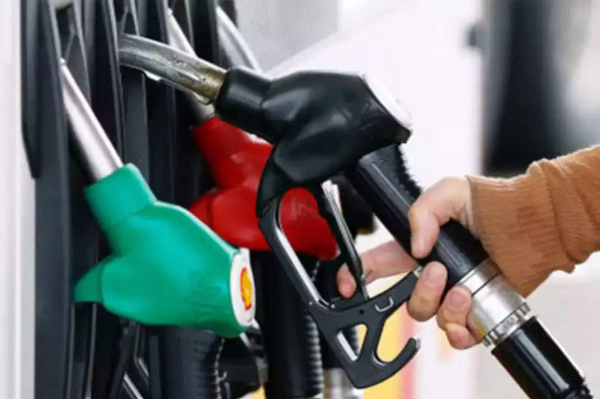
India has kept petrol and diesel prices unchanged even as global crude markets remain under pressure from the West Asia conflict, creating a striking contrast with several countries that have already passed on higher fuel costs to consumers. The retail pump prices of regular petrol and diesel have remained frozen since May 2022, with Delhi retail rates still at ₹94.77 per litre for petrol and ₹87.67 per litre for diesel. Reuters, in separate reporting this month, also noted that retail fuel prices in India have stayed mostly unchanged despite mounting energy risks from the Middle East.
The backdrop to this freeze is a fresh oil shock. Reuters reported that Brent crude rose more than 5% on April 20 as renewed U.S.-Iran tensions and continuing disruption around the Strait of Hormuz unsettled global energy markets. That chokepoint remains central to world oil trade, and the uncertainty around flows has raised fears of a prolonged supply and price shock for import-dependent Asian economies.
Several countries have already responded by raising domestic fuel prices. Reuters reported that Bangladesh increased retail fuel prices by 10% to 15% on April 19 because of higher import costs linked to the Iran war, while Kenya also raised petrol and diesel prices earlier in the month after a sharp increase in imported petroleum costs. Against that backdrop, India’s decision to hold pump prices steady stands out as a deliberate consumer-shielding move.
The economic stakes for India are high because the country imports about 90% of its oil requirements. Reuters reported last week that energy-market instability in West Asia is already seen as a rising inflation risk for India, even though retail fuel prices have so far remained largely unchanged. A prolonged period of elevated crude prices would place pressure on inflation, household budgets, and the broader economy.
The government, for its part, has stressed that supply remains secure. In a March 12 statement, Petroleum Minister Hardeep Singh Puri said India’s crude supply position was secure and that volumes arranged exceeded what the Hormuz route would otherwise have delivered during the disrupted period. A PIB fact-check also said India had total reserve capacity of 74 days and current stock cover of around 60 days at the end of March.
The price freeze has also triggered political debate, with opposition leaders and campaigners suggesting that the government may be delaying any increase in petrol, diesel and LPG prices until after polling in ongoing assembly elections. That remains a political interpretation rather than an officially confirmed policy rationale, but it has become part of the public argument around why fuel prices have not yet moved despite the global surge.
For now, the result is that Indian consumers are being insulated from a global fuel shock that is already visible elsewhere. But if crude stays elevated and shipping disruption persists, the pressure on oil marketing companies and on fiscal management is likely to intensify, making the current freeze increasingly difficult to sustain.
You may also like
-
India’s E-Commerce Platforms Record ₹24,000 Crore Festive Sales in Two Days as Meesho Reports 75% Surge in Orders
-
India’s Economic Warfare Challenge: Strategic Autonomy, Energy Security and the Rise of a Global Power
-
India-US Trade Deal Stalemate: Why Washington’s Tariff Pressure Has Failed to Secure an Agreement
-
US Double Standards in Foreign Policy: 16 Recent Cases Involving India, Russia, China and Global Trade
-
India’s Arctic Energy Ambitions: Russian Oil, LNG and a New Sea Route to Indian Ports
