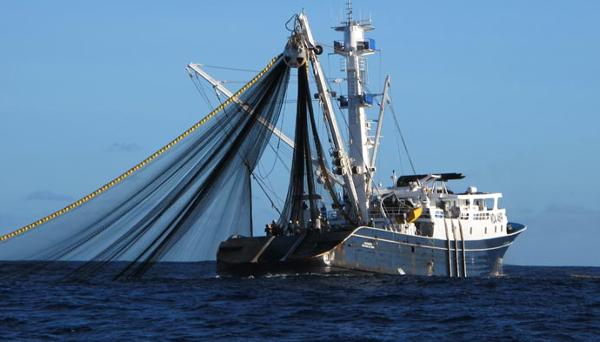
India formally became a party to the World Trade Organization Agreement on Fisheries Subsidies on July 20, 2026, after depositing its Instrument of Acceptance with the global trade body.Commerce Secretary Rajesh Agrawal handed over the instrument to the Director-General of the WTO, making India the 123rd member to accept the agreement.The decision reinforces India’s commitment to sustainable fisheries management, responsible use of marine resources and the protection of livelihoods dependent on coastal and fishing activities.The agreement applies primarily to subsidies connected with marine wild-capture fishing and fishing-related activities at sea. Aquaculture and inland fisheries remain outside its scope, allowing India’s large inland fishery and aquaculture sectors to continue operating under domestic policies and development programmes.First WTO Agreement with an Environmental FocusThe Agreement on Fisheries Subsidies was adopted by consensus at the 12th WTO Ministerial Conference held in Geneva in June 2022.It became the first multilateral WTO agreement to place environmental sustainability at the centre of its objectives. The agreement entered into force on September 15, 2025, after receiving acceptance from two-thirds of WTO members.Its main purpose is to curb government subsidies that contribute to harmful and unsustainable fishing practices.The agreement prohibits subsidies associated with illegal, unreported and unregulated fishing. It also restricts support for fishing activities involving overfished stocks, helping reduce pressure on marine ecosystems and preserve fish populations for future generations.Protection for Small-Scale FishersIndia’s fisheries sector is dominated by traditional and small-scale fishing communities rather than large distant-water industrial fleets.The agreement is expected to benefit such communities by creating stronger international rules against subsidies that support heavily financed industrial fishing operations. Large fishing fleets operating far from their home waters can place significant pressure on global fish stocks and create unequal competition for countries with predominantly small-scale fisheries.By disciplining harmful subsidies, the agreement seeks to create a fairer global fisheries system while promoting conservation and responsible harvesting.India has emphasised that sustainable marine fisheries are closely linked with food security, employment and the livelihoods of coastal communities. The country’s acceptance of the agreement is intended to support conservation while preserving policy space for traditional fishers.Aquaculture and Inland Fisheries ExcludedA significant feature of the agreement is the exclusion of aquaculture and inland fisheries from its provisions.This is particularly important for India because aquaculture plays a major role in domestic fish production and seafood exports. Farmed shrimp forms a substantial part of India’s marine-product exports and remains outside the coverage of the WTO agreement.The exclusion allows India’s aquaculture sector to retain its competitiveness while continuing to expand production, employment and export earnings.Inland fisheries, including fishing and fish farming in rivers, reservoirs, ponds and other freshwater systems, will also remain governed by domestic policies.Boost for India’s Seafood Export ImageIndia’s participation in the agreement is expected to strengthen its reputation as a responsible seafood-exporting country.International seafood markets increasingly place importance on sustainability, traceability and responsible harvesting practices. Compliance with global fisheries standards can help Indian seafood exporters improve access to premium markets and meet the requirements of environmentally conscious buyers.At the same time, the strong presence of aquaculture-based products in India’s export basket is expected to provide continued resilience to the seafood industry.The agreement may also support efforts to improve monitoring, certification and traceability across marine-fishing supply chains.Domestic Fisheries Management FrameworkIndia has introduced several regulatory and developmental measures to support sustainable fishing.The Sustainable Harnessing of Fisheries in the Exclusive Economic Zone Rules, 2025 provide a framework for managing fishing activities in waters under India’s jurisdiction.The country has also issued Guidelines for Sustainable Harnessing of Fisheries in the High Seas by Indian-Flagged Fishing Vessels, 2025. These guidelines seek to regulate Indian vessels operating beyond national waters and ensure that their activities are consistent with international conservation requirements.The regulatory framework is supported by capacity-building and infrastructure programmes under the Pradhan Mantri Matsya Sampada Yojana.The scheme promotes fisheries development through investments in production, cold-chain facilities, fishing harbours, modernisation, monitoring systems and livelihood support.Other conservation and fisheries-management initiatives are also being implemented to improve data collection, vessel monitoring, stock management and compliance with sustainable fishing practices.Commitment to Rules-Based Global TradeThe WTO Agreement on Fisheries Subsidies includes flexibilities for developing and least-developed countries while seeking to improve the conservation and sustainable use of marine resources.India’s acceptance signals its support for collective international action against illegal fishing and the depletion of marine stocks.It also strengthens India’s engagement with the rules-based multilateral trading system and reinforces the role of the WTO in addressing trade-related environmental challenges.By joining the agreement, India aims to balance marine conservation with food security, export competitiveness and the economic interests of traditional fishing communities.The move places the country within a growing international framework intended to protect marine biodiversity, improve the sustainability of global fishing and ensure that fisheries resources continue to support livelihoods and nutrition over the long term.
Source: PIB
You may also like
-
India Simplifies Foreign Guest Reporting for Hotels Under New Immigration Framework
-
Indian Pharmaceutical Market Grows 12.96% in August as Chronic Therapies Drive Expansion
-
India Launches Commercial Bio-Based Biodegradable PLA Plastic Under BioE3 Initiative
-
India and GCC Review Joint Action Plan as Free Trade Agreement Negotiations Move Forward
-
Goa Mussarat Mango — The Red-Blushed Monserrate of Goa and the Late-Summer Orchard Heritage of the Konkan Coast
