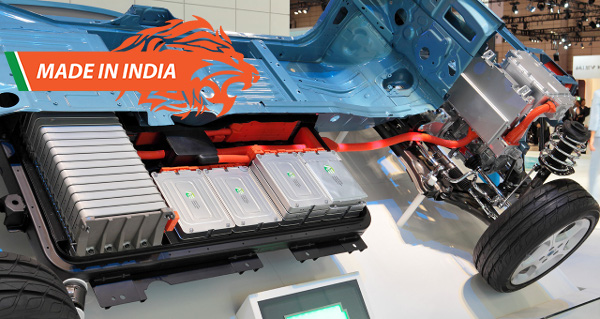
India is rapidly carving out a new place in the global industrial landscape, with a World Economic Forum-published article arguing that the country is building itself into a major electro-tech manufacturing hub powered by cheap solar energy, batteries and electrification-led growth. The larger point is that India is pursuing industrial expansion through a cleaner and more energy-secure path rather than the fossil fuel-heavy model that earlier powered the rise of many Western economies and China.
The shift is already visible in India’s energy and transport mix. The WEF-published piece says solar now contributes about 9% of India’s electricity, while coal consumption per person remains far below China’s at a similar stage of development. In transport, electric passenger vehicles are nearing 5% of total sales, and electric three-wheelers account for almost 60% of the market, making India a global leader in that segment.
The article argues that the economics of energy have fundamentally changed in India’s favour. As the country approaches roughly 1,500 kWh of electricity consumption per capita, solar-plus-storage is now estimated to cost around half as much as new coal. That cost shift, combined with falling battery prices and supportive policy measures, is helping India industrialise through what the piece describes as “electrotech” rather than through a conventional fossil-fuel route.
This transformation is also feeding directly into manufacturing. India’s electronics sector has grown nearly sixfold over the past decade to about $130 billion, according to the WEF-published article, creating a base for expansion into solar modules, batteries and electric vehicles. It adds that India’s solar module capacity has reached 120 GW, while solar cell manufacturing capacity has climbed to 18 GW, giving the country a stronger foundation for integrated domestic supply chains.
The broader significance of this trend is strategic as much as economic. With advanced economies looking to diversify supply chains and reduce dependence on a narrow set of manufacturing centres, India is increasingly positioning itself as a reliable global supplier of electro-tech products. The article frames this as part of a wider push for energy sovereignty, lower import dependence and a more resilient path to industrial modernity. That last sentence is an inference drawn from the source’s emphasis on supply chains, fossil fuel import dependence and energy sovereignty.
Reference:
https://www.newsonair.gov.in/india-rapidly-positioning-itself-as-global-electro-tech-manufacturing-hub-world-economic-forum/
https://www.weforum.org/stories/2026/03/how-india-is-charting-a-new-path-into-the-electric-age/
You may also like
-
PM Dhan-Dhaanya Krishi Yojana Completes One Year: Gaya, Nagaur and Umaria Emerge as Best-Performing Districts
-
Political Protests in India: Economic Losses, Export Disruptions and the Impact on Investor Confidence
-
Jeeraphool Rice of Chhattisgarh — Surguja’s Fragrant Cumin-Shaped Heritage Grain
-
India’s E-Commerce Platforms Record ₹24,000 Crore Festive Sales in Two Days as Meesho Reports 75% Surge in Orders
-
India’s Economic Warfare Challenge: Strategic Autonomy, Energy Security and the Rise of a Global Power
