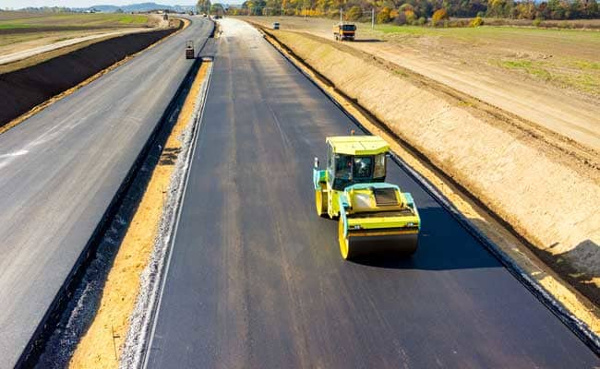
NEW DELHI: So far 703 km of National Highways have been constructed with use of waste plastic in “wearing coat of flexible pavement”, the Parliament was told on Thursday.
Union Road Transport and Highways Minister Nitin Gadkari told the Lok Sabha, in a written reply, that the ministry has issued guidelines for mandatory use of waste plastic in periodic renewal with hot mixes and in wearing coat of service road on national highways within 50km periphery of an urban area having population of more than 5 lakhs.
Use of plastic waste in construction of road protects the environment from adverse impact of waste plastic.
Plastic roads consist of 6-8 per cent plastic, while 92-94 per cent is bitumen.
Gadkari had announced the usage of plastic waste in road construction in 2016. Since then, plastic waste has been used in constructing roads in 11 states.
According to the Central Pollution Control Board (CPCB) report, as much as 3.3 million metric tonnes of plastic waste was generated in India, which is approximately 9,200 tonnes a day (TPD), in 2018-19.
The report stated that the total municipal solid waste generation is 55-65 million tonnes and out of it, plastic waste is approximately 5-6 per cent.
To regulate use of plastic, the Union Ministry of Environment, Forests and Climate Change came up with draft Plastic Waste Management Rules, 2021, which proposes a ban on the manufacture, import, stocking, distribution, sale, and use of specific single-use plastic from January 1, 2022.
Specific single-use of plastic include plastic sticks for balloons, candy sticks, ice-cream sticks, plastic flags, and thermocol.
Source: ToI
You may also like
-
India’s Infrastructure Expansion Shifts Focus From Kilometres Built to Hours Saved
-
India and United States Expand Indian Ocean Cooperation Through Strategic Connectivity and Maritime Initiatives
-
India Demonstrates First 5.56 km Free-Space Quantum Key Distribution Link
-
India’s Quantum-Secure Network Reaches 1,000 km as National Quantum Mission Advances Towards 2,000-km Goal
-
SCI and India’s Push for a Larger Indigenous Maritime Fleet
